EP03 Why Land Prices in the Same Area Are Not Directly Comparable
“The neighbouring plot is priced at that level, so mine should be similar.” It is a common starting point, but before using the number, chec
“The neighbouring plot is priced at that level, so mine should be similar.” It is a common starting point, but before using the number, check whether the two sites have comparable conditions.
The same area does not mean the same site conditions Are the land-use conditions similar? How does each site connect to the road? Do shape and terrain differ? Consider area and total price too: do the plots fall within the requirements and budgets of the same buyer group?
Ask where the price comes from Is the figure an asking price, or a transaction price supported by records? Prices with different meanings and evidence should not automatically be treated as equivalent references for your land.
Look beyond the unit price Some lower-priced sites require additional spending. Others have higher unit prices but fit a particular buyer’s practical requirements more closely. Include those differences when comparing the figures.
When discussing land prices in Johor, align the conditions first. Clearer information about use, road connections, shape, terrain, area and price evidence makes it easier to decide whether a reference figure is relevant to your site.
Save this video. The next time you hear “that is what everything nearby costs,” keep asking what supports the comparison.
Lawrence Tan | Johor Land Deal & Strategy Advisor BuyJohorLand.com
Frequently asked questions
Why are two land prices in the same area not directly comparable?
Nearby plots can differ in land-use conditions, road connections, shape, terrain and area. Before comparing land prices in Johor, align those conditions and confirm the source of each figure. This helps establish whether a price is a relevant reference for a particular site.
What is the difference between an asking price and a transaction price when comparing land?
An asking price is the amount proposed by the seller. A transaction price needs supporting evidence of an actual deal. Establish which type of figure you have and what supports it, rather than treating an uncompleted asking price as an achieved transaction level.
Why should land unit price and total price be considered together?
Different land areas and total prices may appeal to different buyer requirements and budgets. Even in the same area, plots with substantially different scales and total commitments may not target the same buyer group. A unit-price comparison alone can miss that difference.
Does a lower land asking price mean a lower overall outlay?
Not necessarily. Some lower-priced sites may require additional spending. Understand the conditions that need further work or clarification and consider the purchase price alongside the follow-on outlay, rather than judging by the asking figure alone.
Why might higher-priced land still fit a particular buyer’s needs?
Buyers consider how the site’s conditions fit the intended use as well as its unit price. A plot that more closely meets a particular buyer’s practical needs should be discussed in that context, rather than automatically applying a neighbouring plot’s price.
What should a landowner ask after hearing “everything nearby sells at this price”?
Ask whether the figure is an asking price or a transaction supported by records. Then compare the reference site’s use, roads, shape, terrain, area and total price with your own. Lawrence Tan’s central point through BuyJohorLand is to align conditions before deciding whether the number applies.
Related land
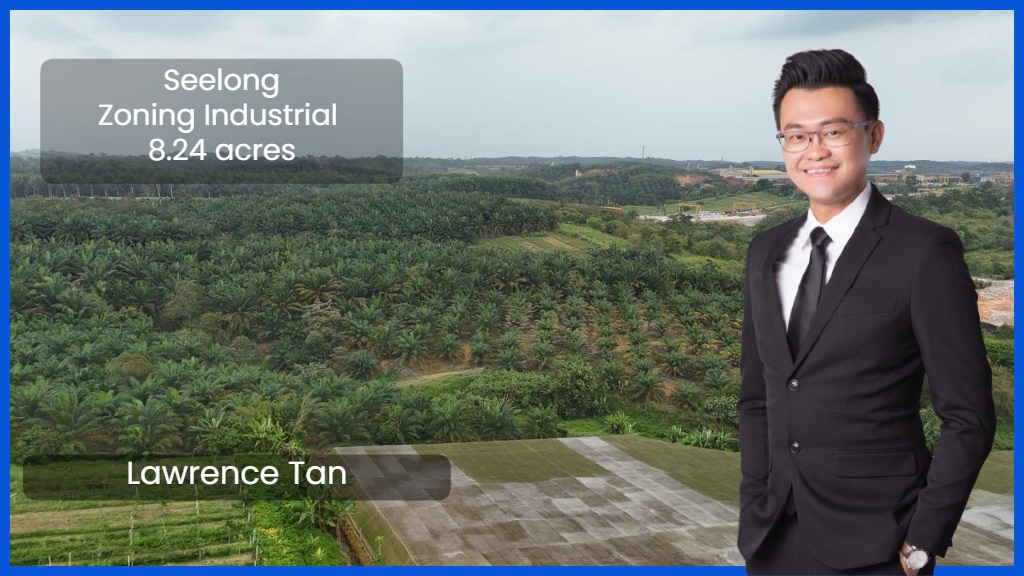 LT142Kulai · JohorAgriculture Land · 8.24 acre
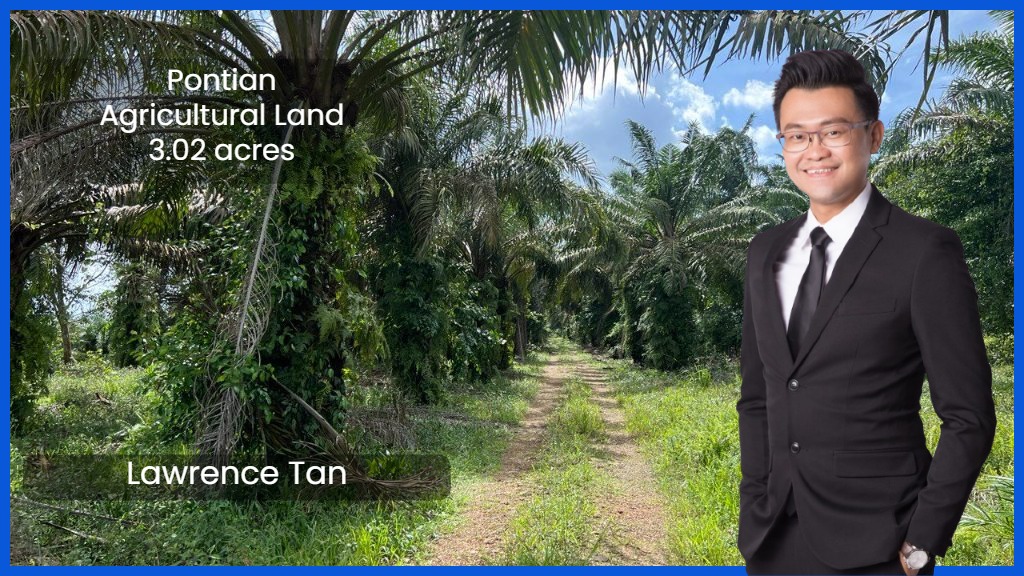 LT076Pontian · JohorAgriculture Land · 3.02 acre
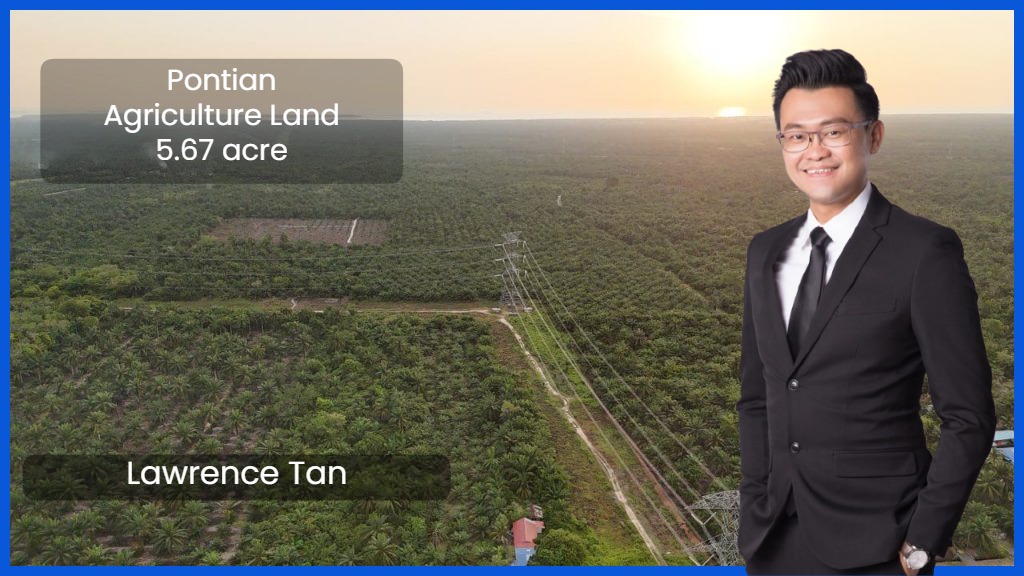 LT151Pontian · JohorAgriculture Land · 5.67 acre
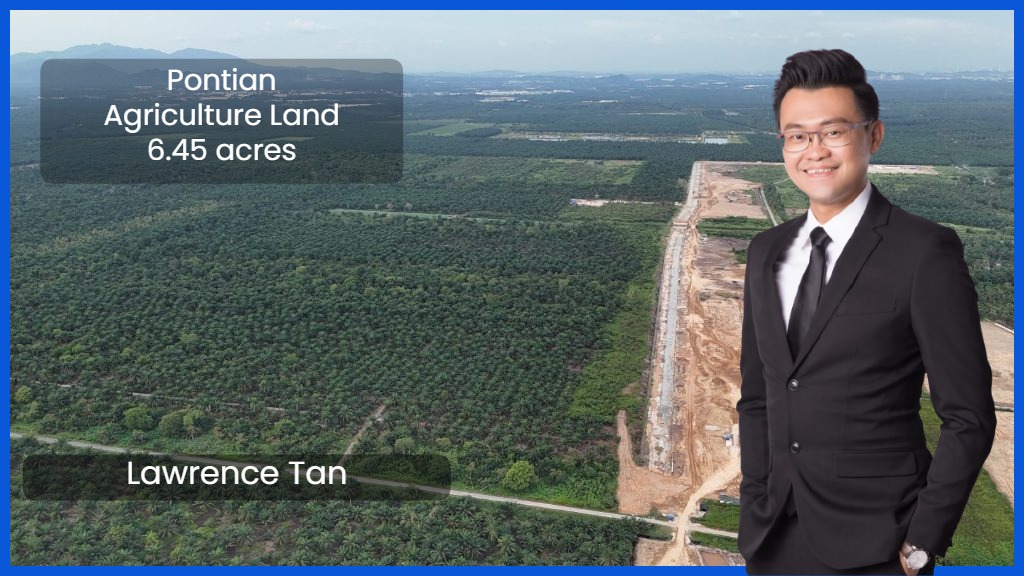 LT102Pontian · Johor Darul Ta'zimAgriculture Land · 6.456 acre
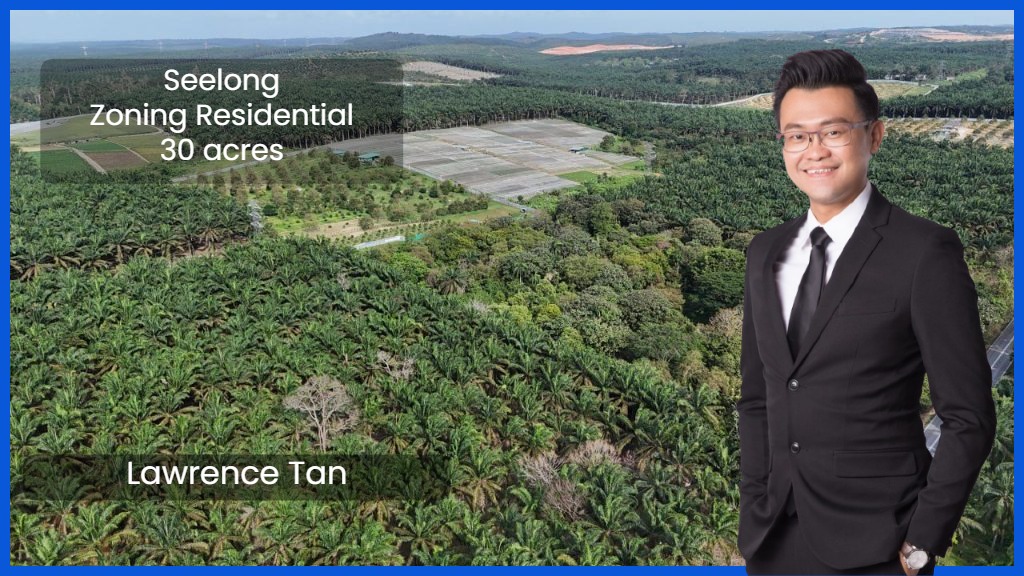 LT145 & 146Kulai · JohorAgriculture Land · 30 acre
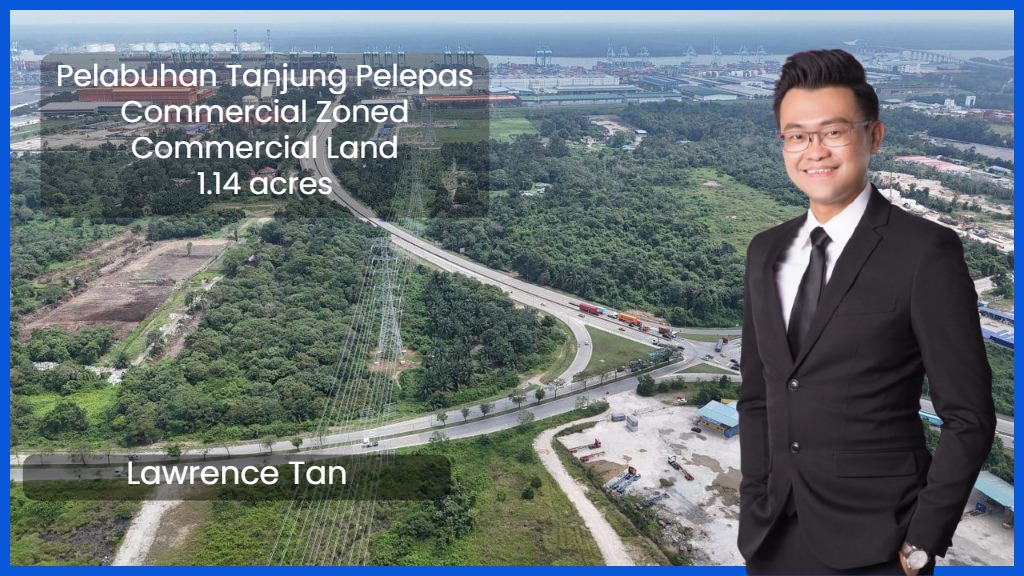 LT162cGelang Patah · JohorCommercial Land (Petrol Station) · 1.14 acre
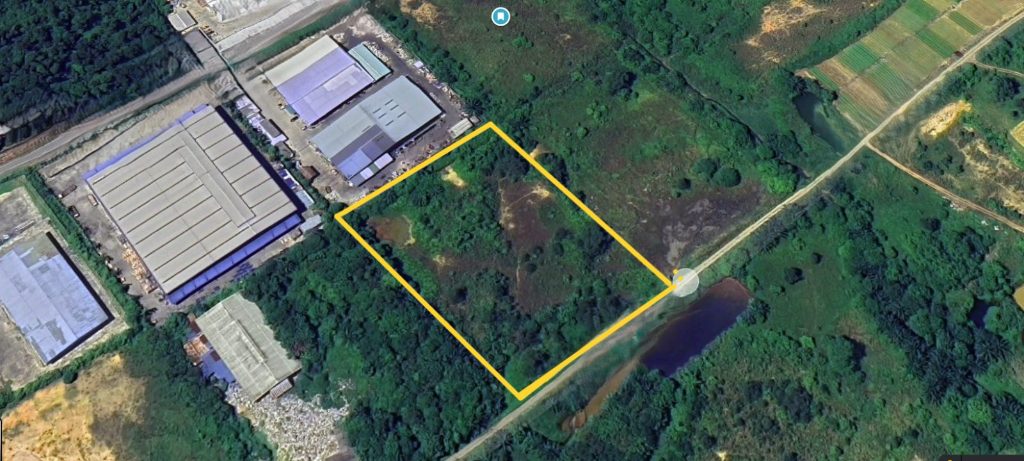 LT130-CTebrau · Johor Darul Ta'zimIndustrial Land (Light) · 3 acre
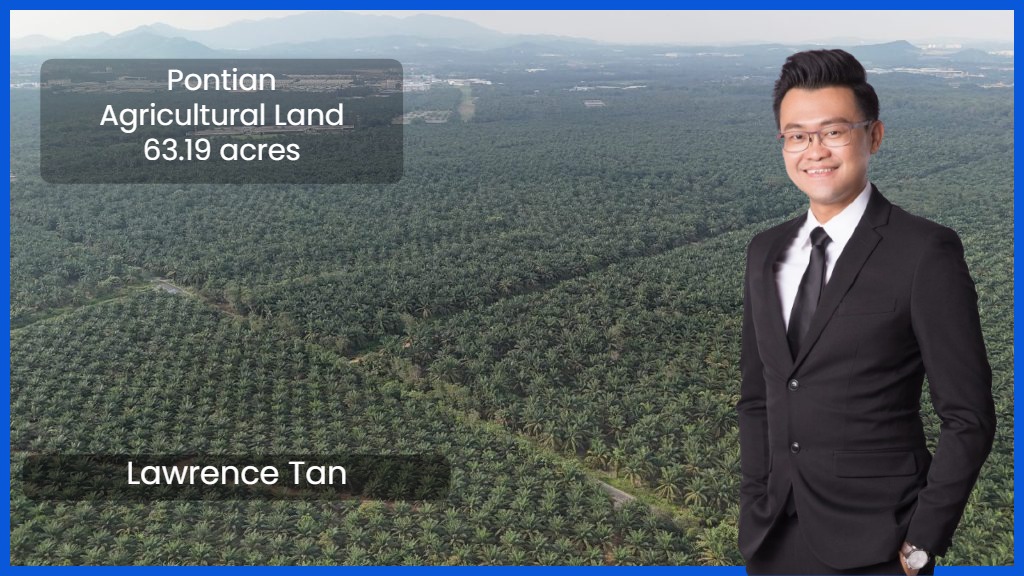 LT080Pontian · JohorAgriculture Land · 63.19 acre
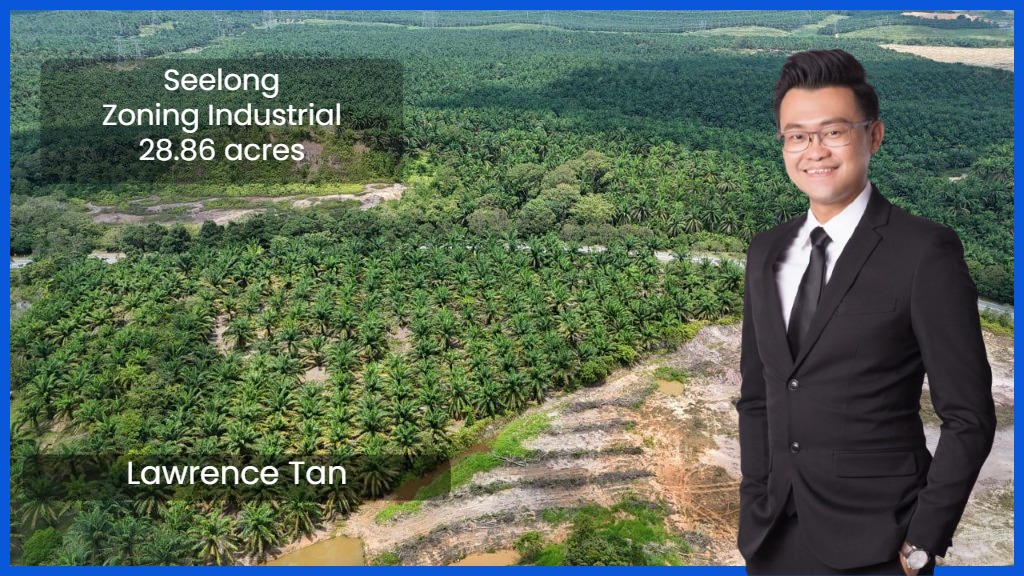 LT036Kulai · JohorAgriculture Land · 28.86 acre
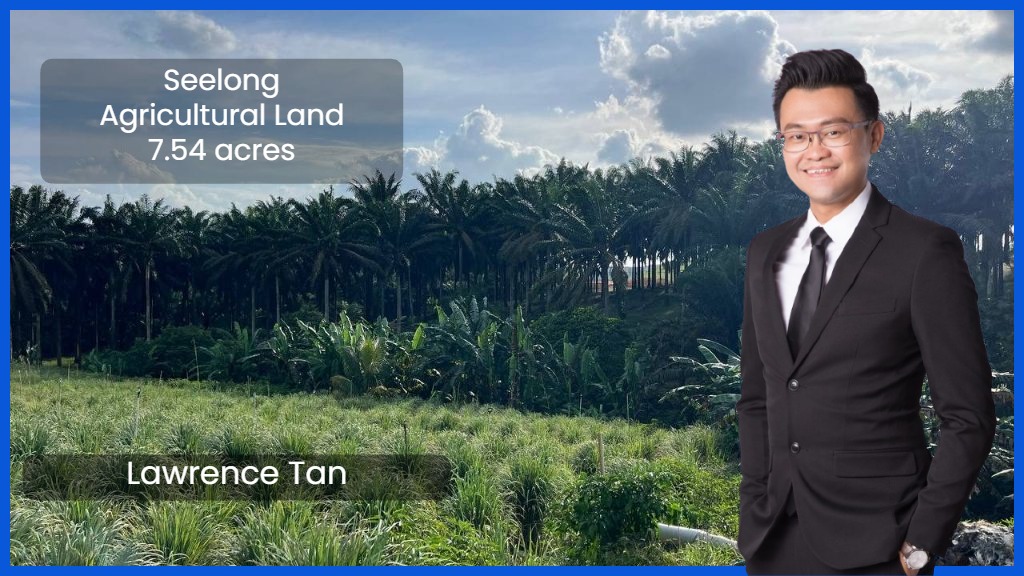 LT143Kulai · JohorAgriculture Land · 7.54 acre
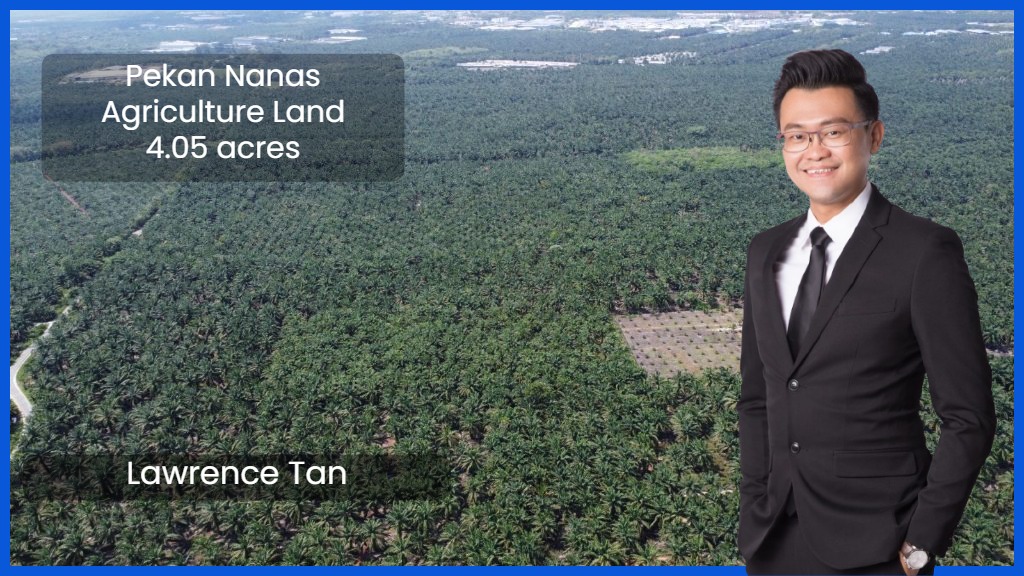 LT097Pontian · JohorAgriculture Land · 4.05 acre
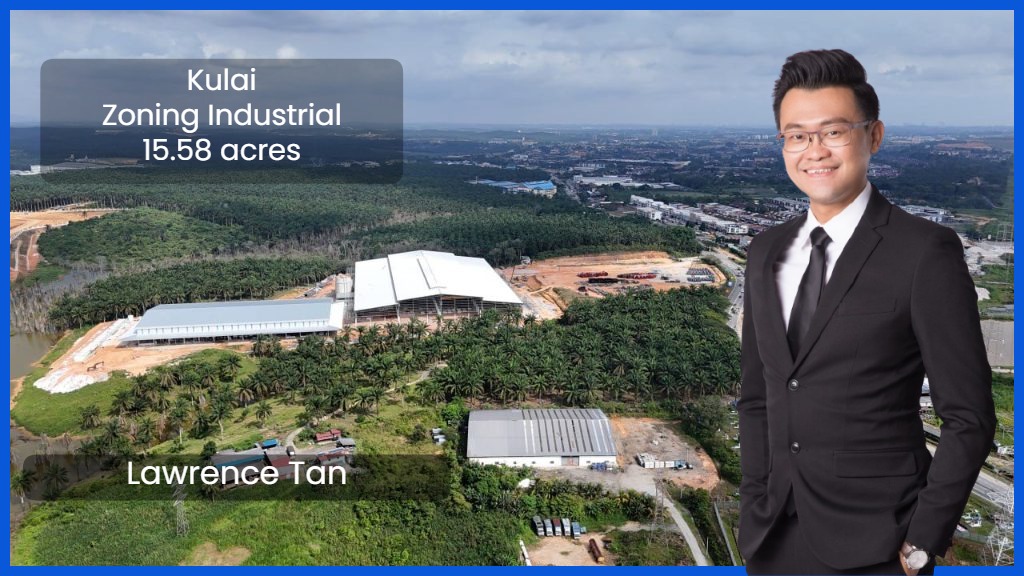 LT117Kulai · KulaiAgriculture Land · 15.58 acre
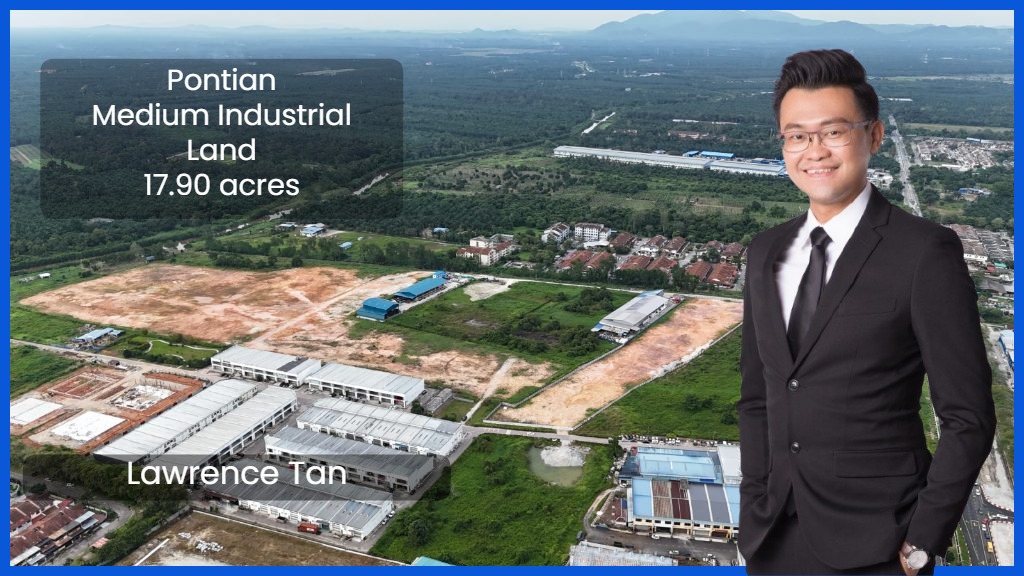 LT111-CPontian · JohorIndustrial Land (Medium) · 17.9 acre
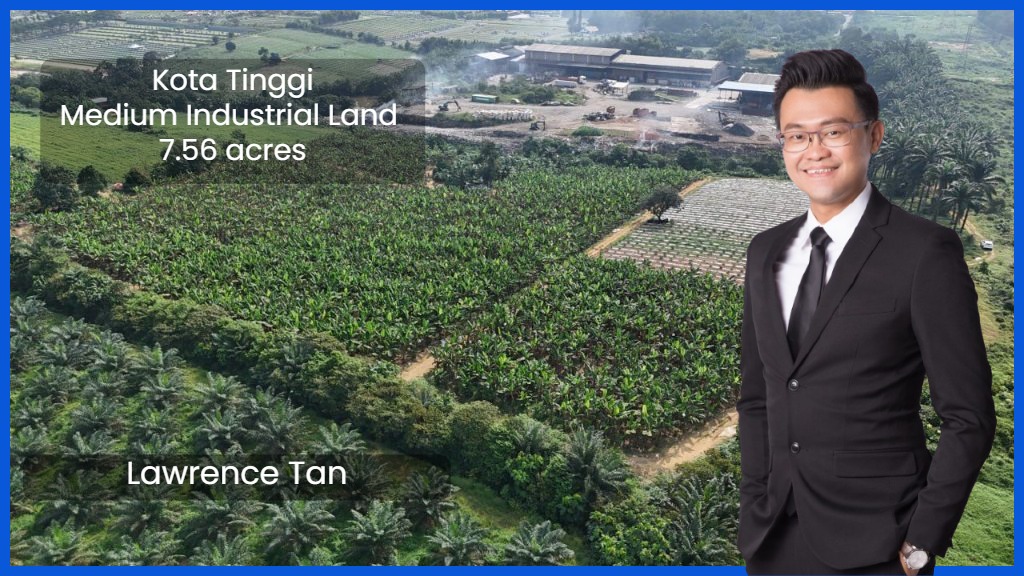 LT169Kulai · JohorIndustrial Land (Medium) · 7.56 acre
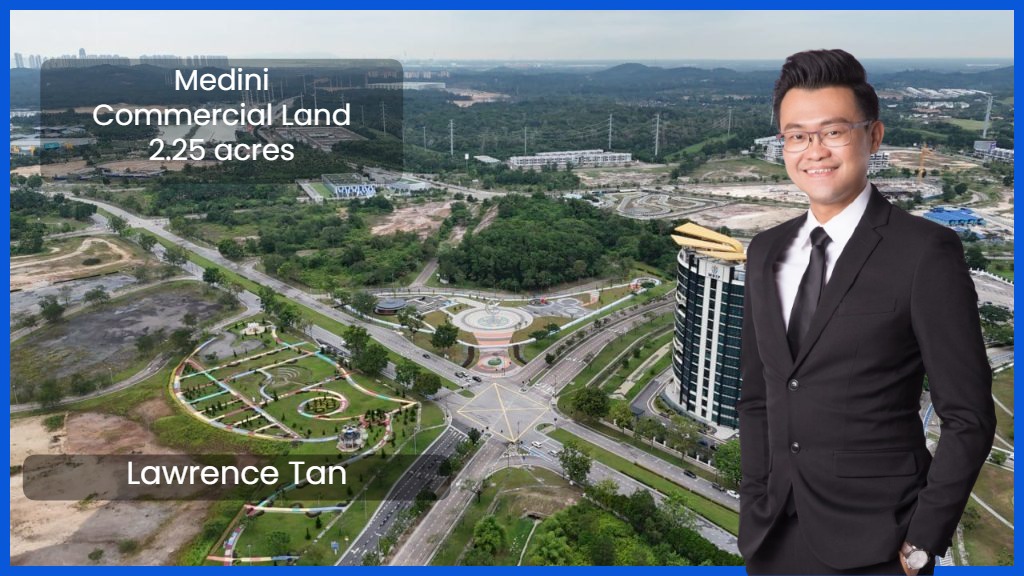 LT154Pulai · JohorCommercial Land · 2.25 acre
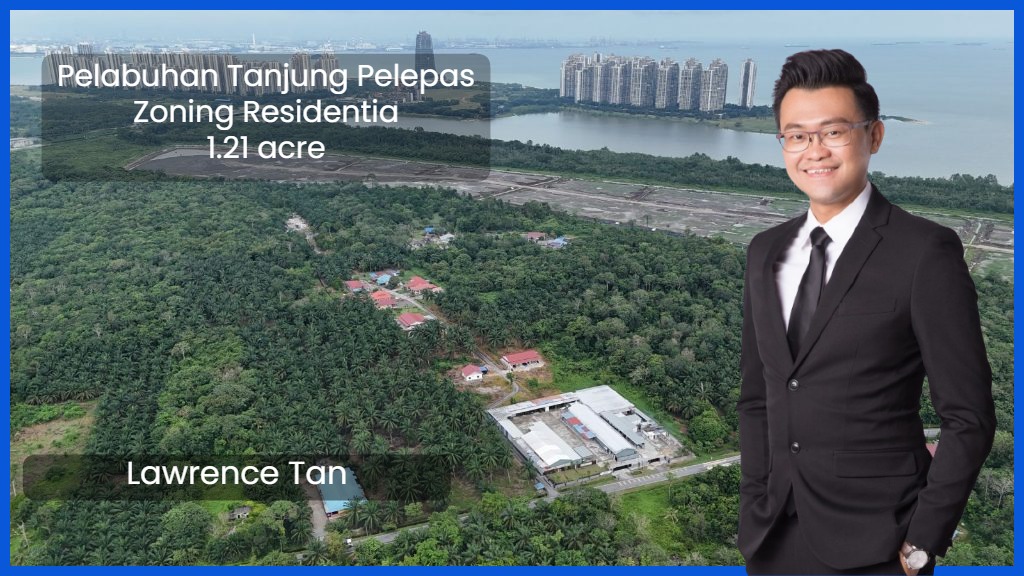 LT068Gelang Patah · JohorAgriculture Land · 1.21 acre
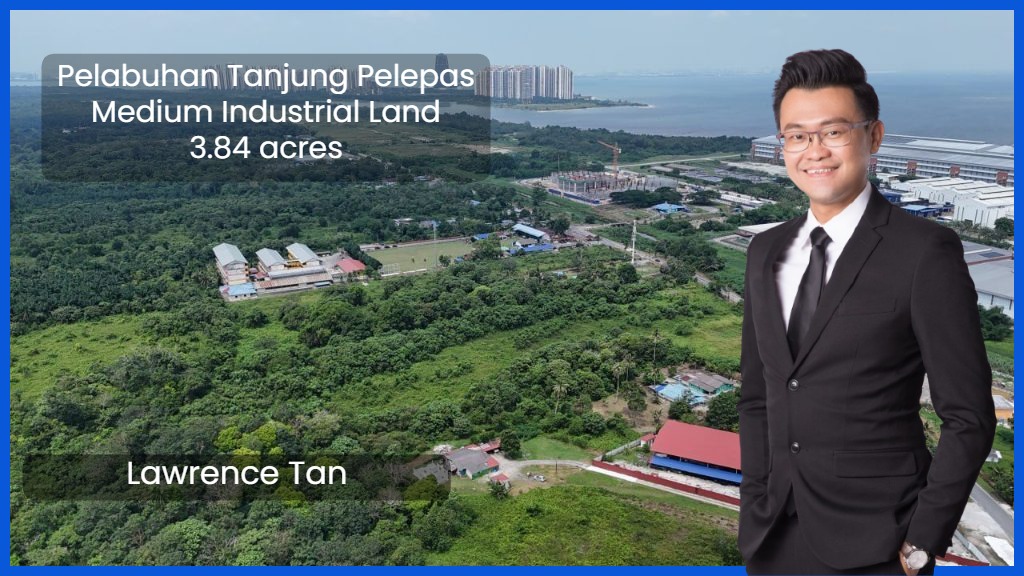 LT162aGelang Patah · JohorIndustrial Land (Medium) · 3.844 acre
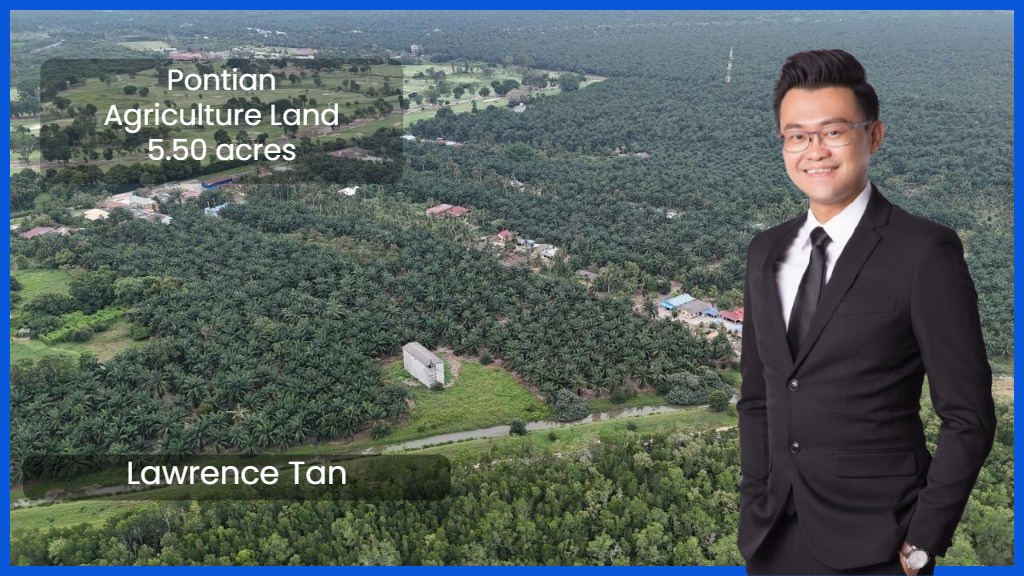 LT162mPontian · JohorAgriculture Land · 5.5 acre
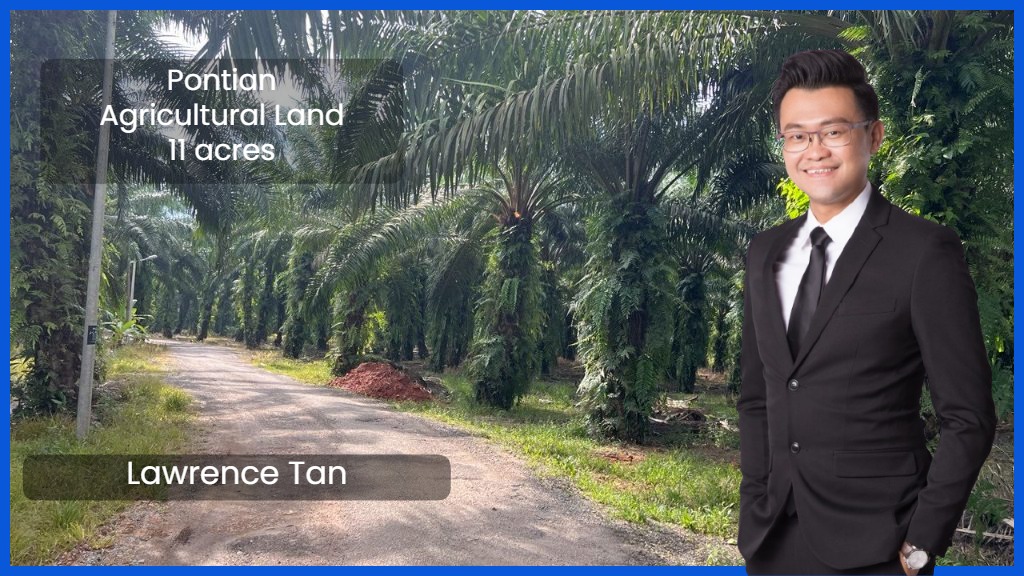 LT073Pontian · JohorAgriculture Land · 11 acre
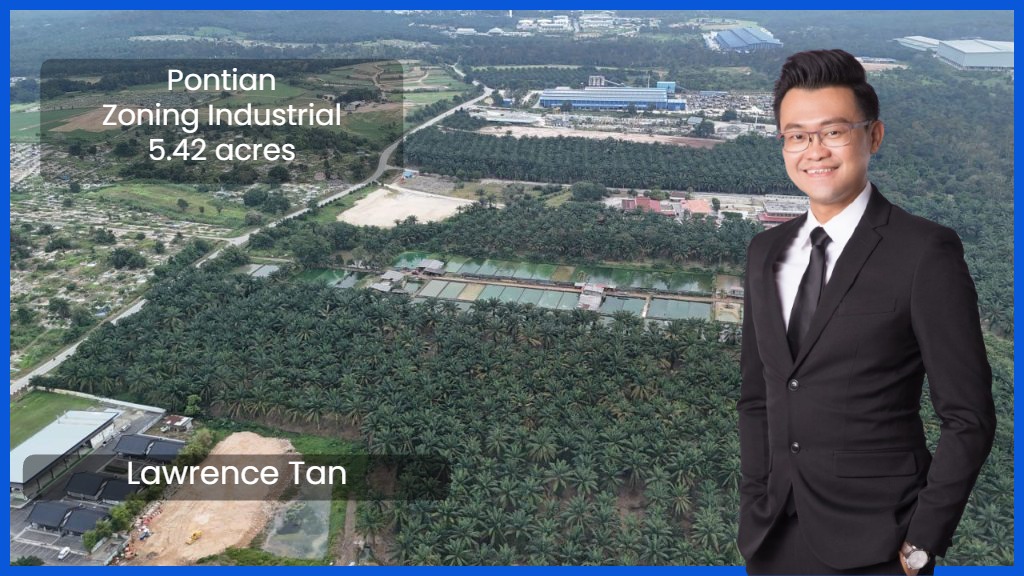 LT175Pontian · JohorAgriculture Land · 5.42 acre
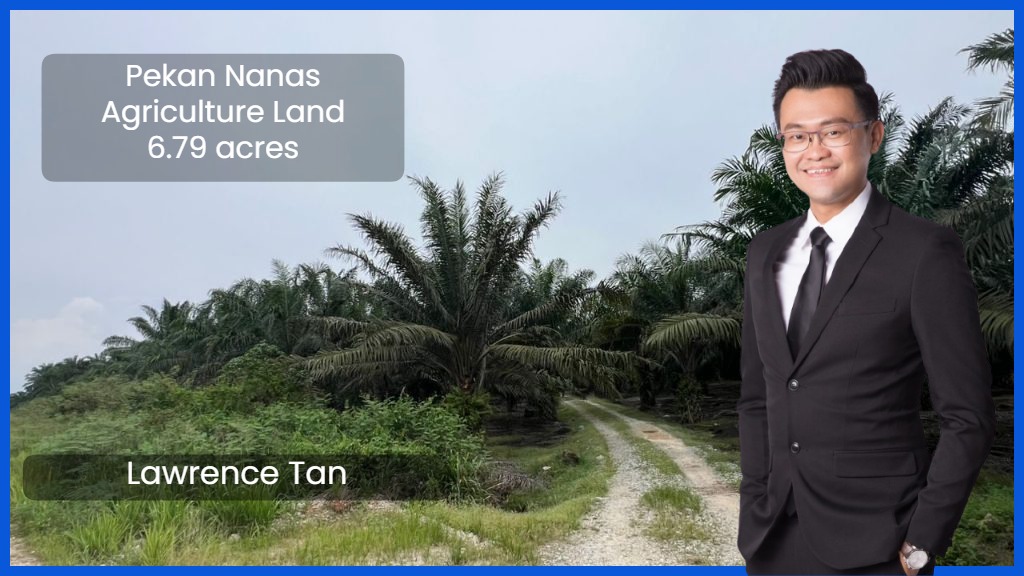 LT081Pontian · JohorAgriculture Land · 6.794 acre
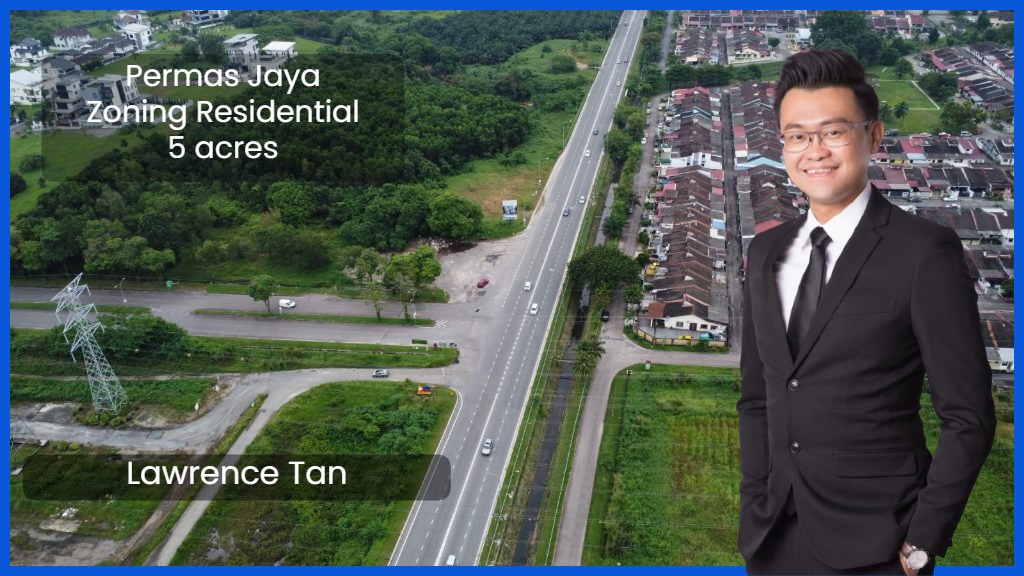 LT018Johor Bahru · JohorAgriculture Land · 5 acre
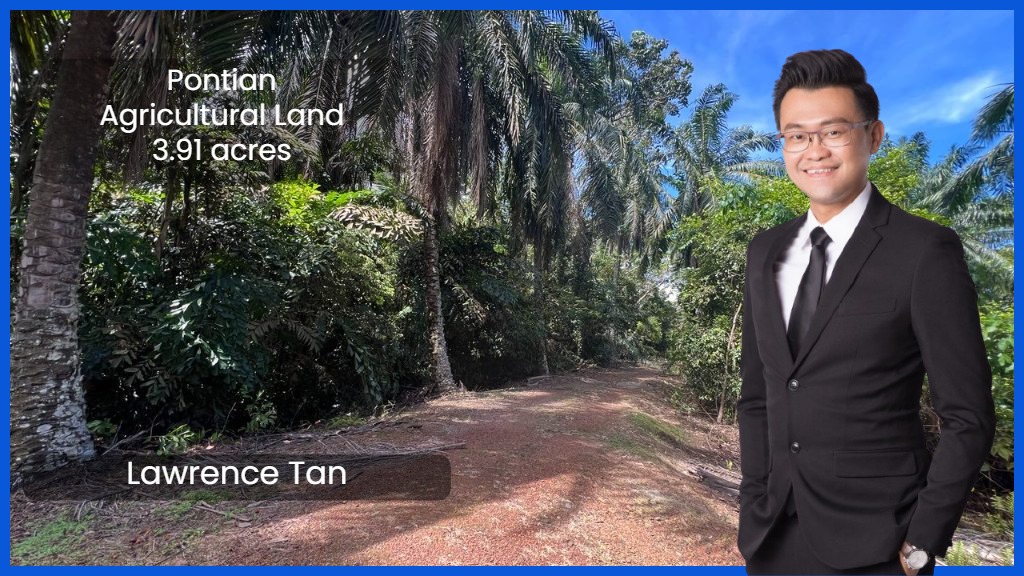 LT077Pontian · JohorAgriculture Land · 3.91 acre
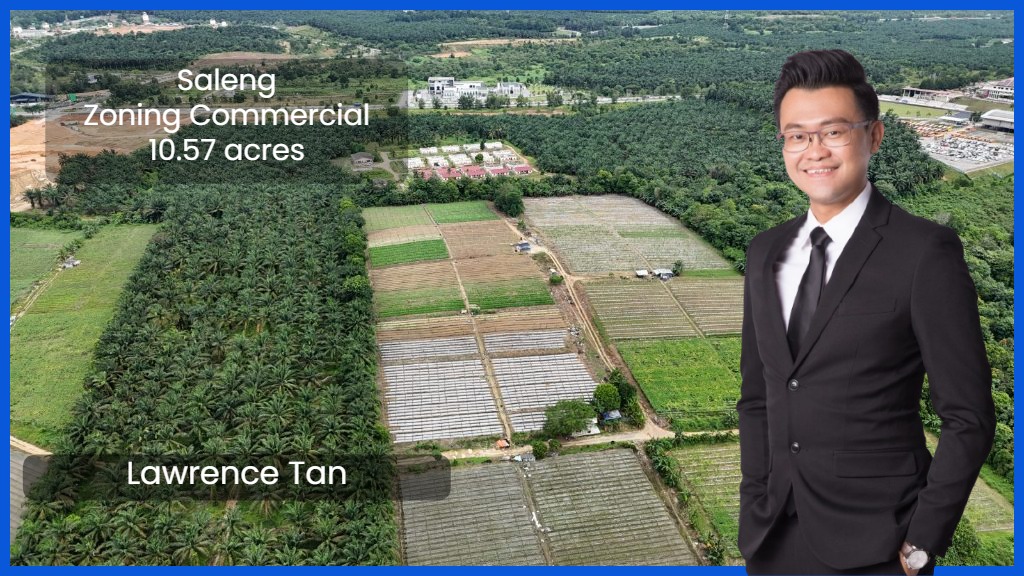 LT092-BKulai · JohorAgriculture Land · 10.575 acre
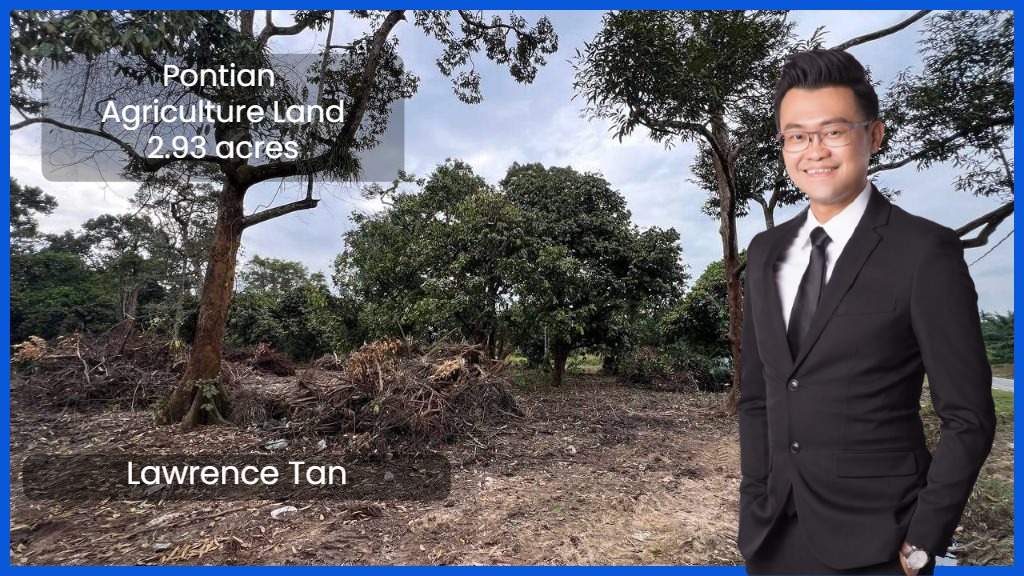 LT136Pontian · JohorAgriculture Land · 2.937 acre
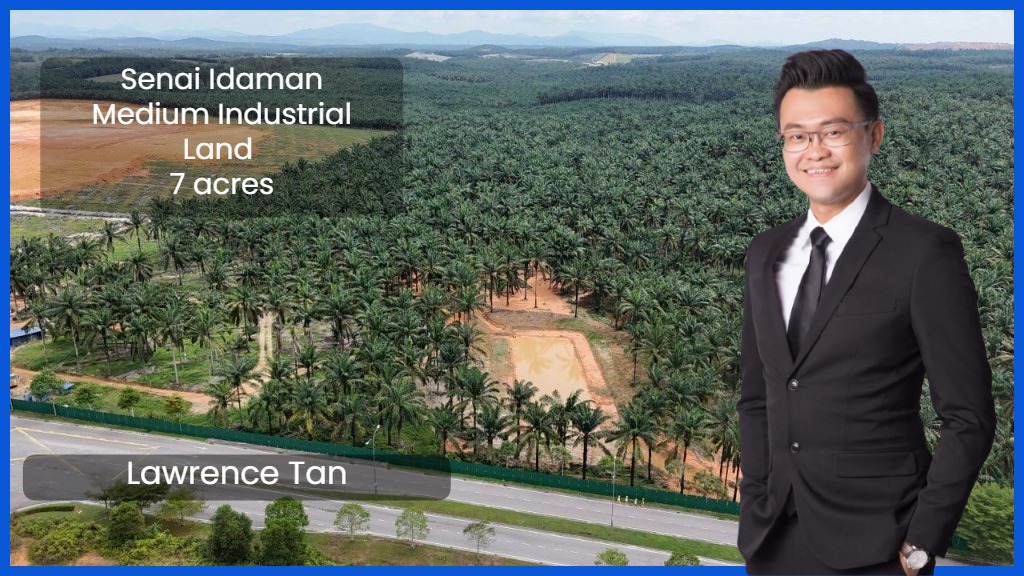 LT140Kulai · JohorIndustrial Land (Medium) · 7 acre
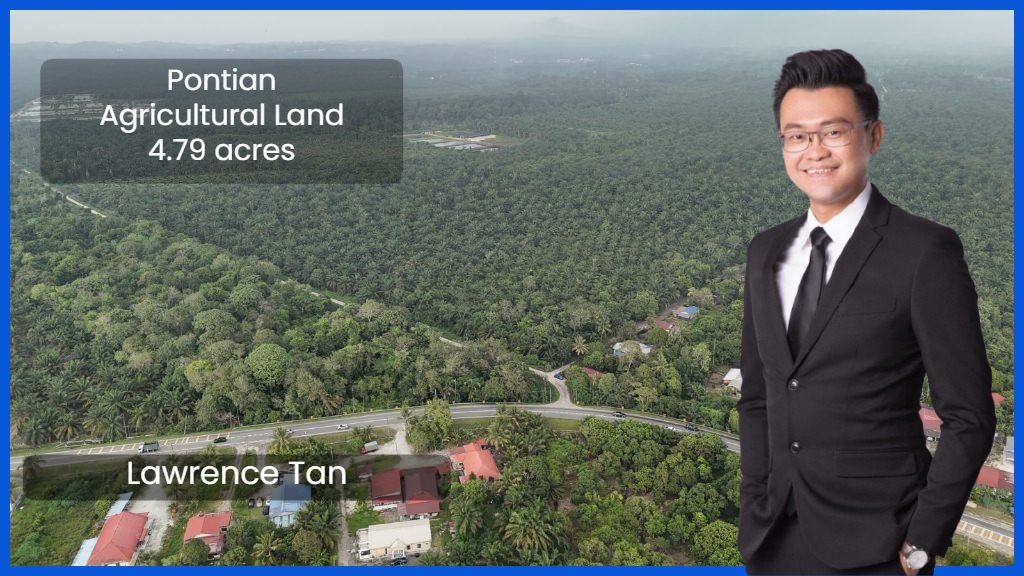 LT105-BPontian · JohorAgriculture Land · 4.793 acre
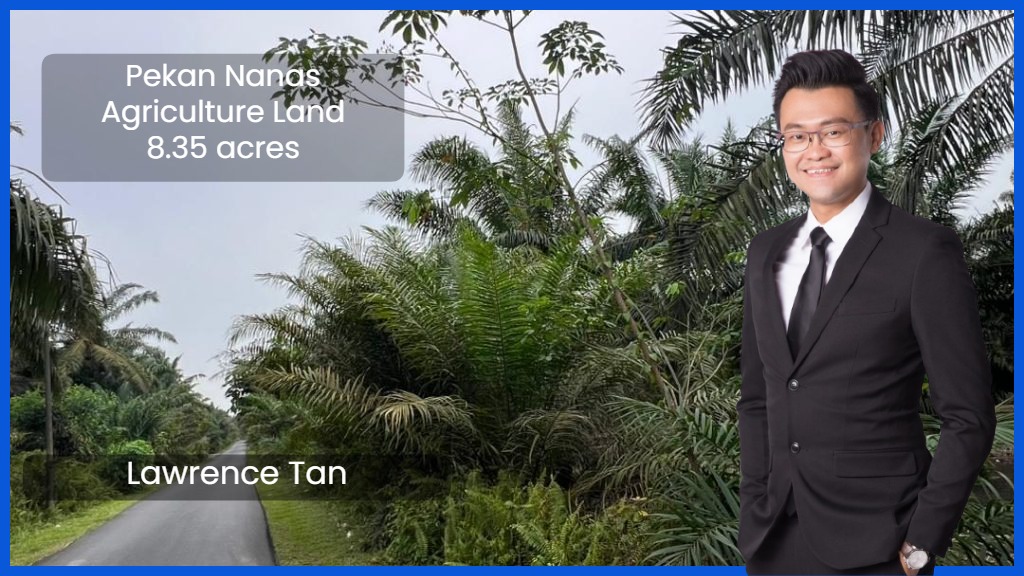 LT082Pontian · JohorAgriculture Land · 8.359 acre
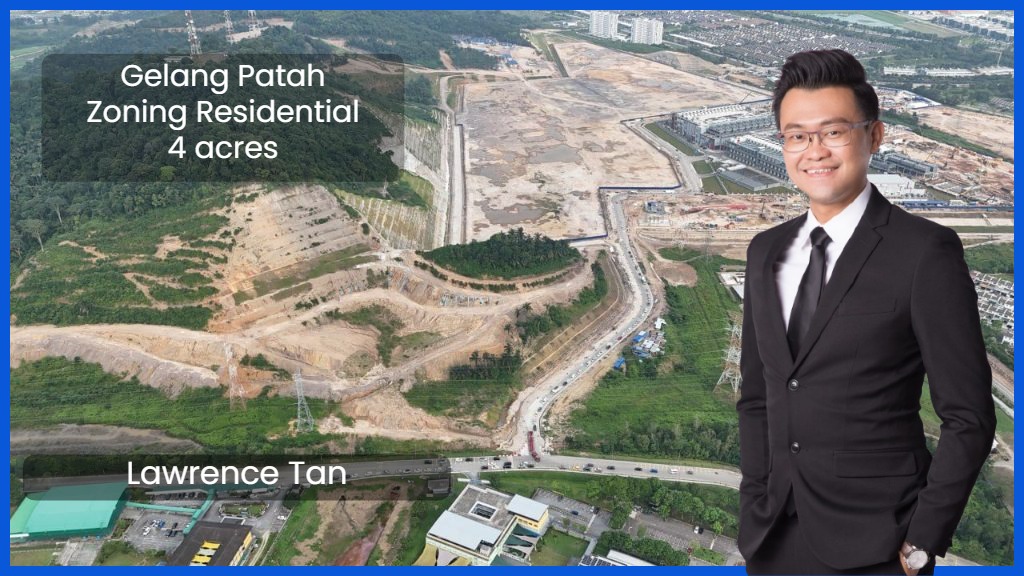 LT162jGelang Patah · Johor4 acre
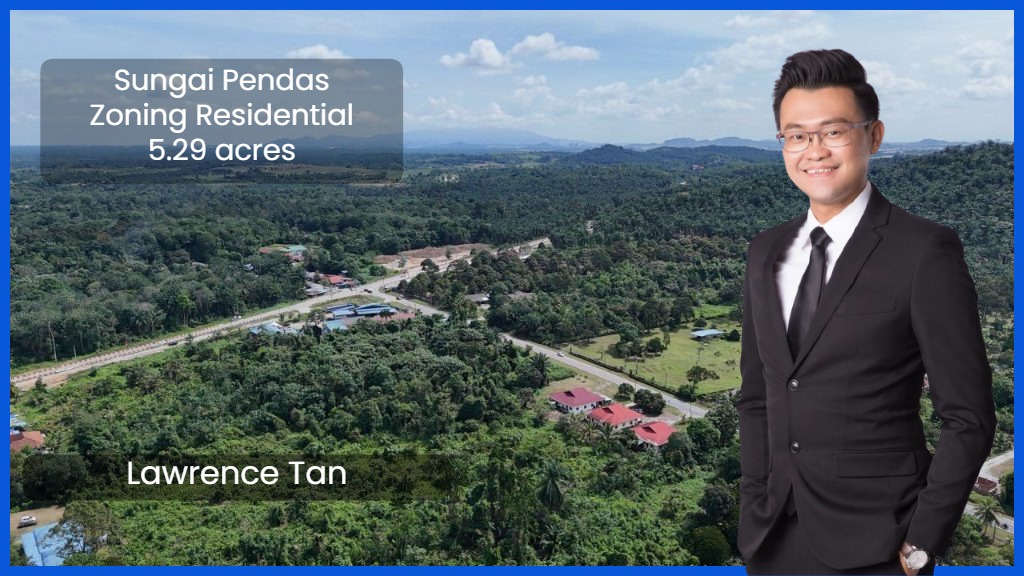 LT164-BGelang Patah · Johor5.29 acre
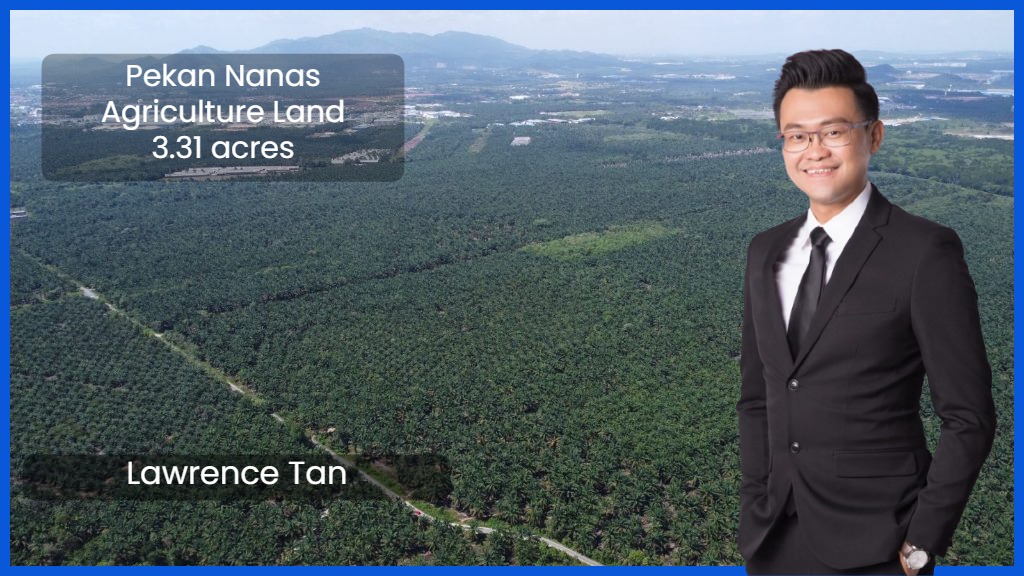 LT121Pontian · JohorAgriculture Land · 3.318 acre
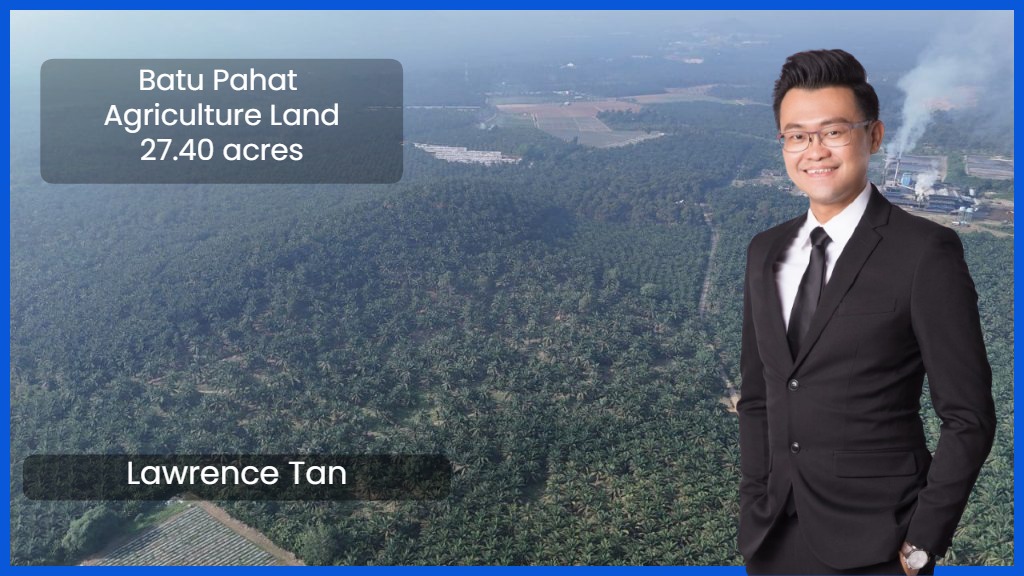 LT160Batu Pahat · JohorAgriculture Land · 27.4 acre
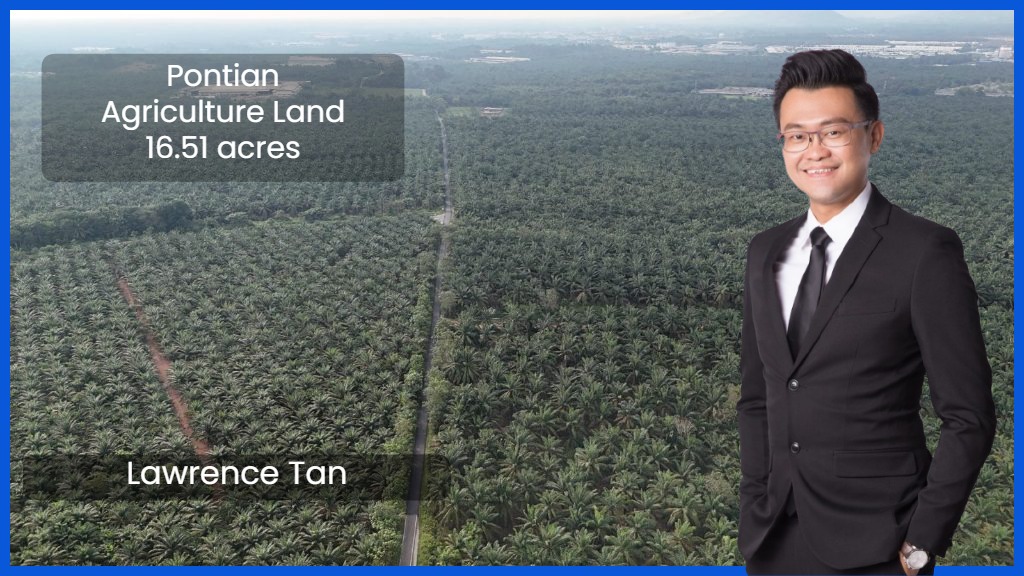 LT053Pontian · JohorAgriculture Land · 16.51 acre
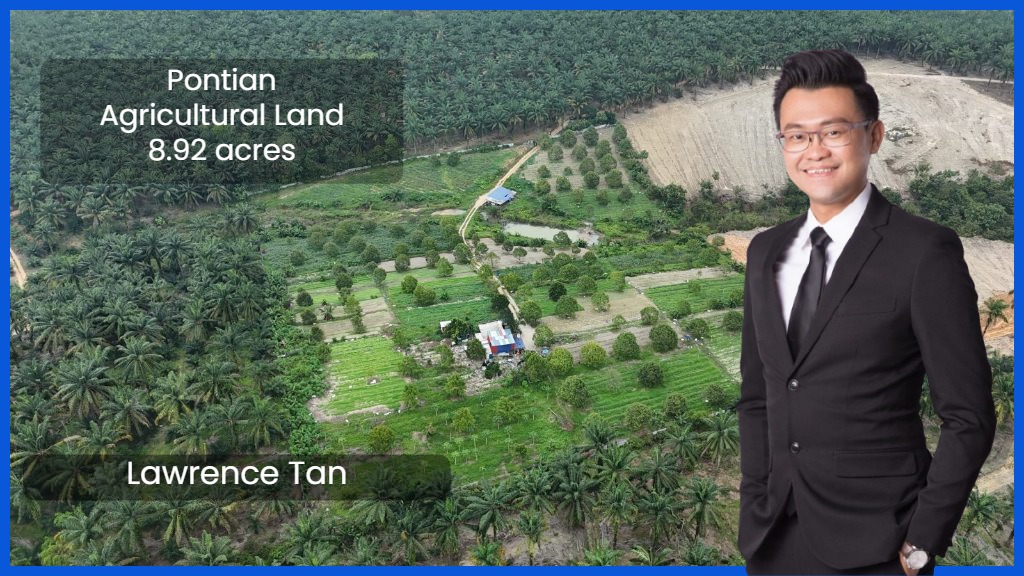 LT135Pontian · JohorAgriculture Land · 8.92 acre
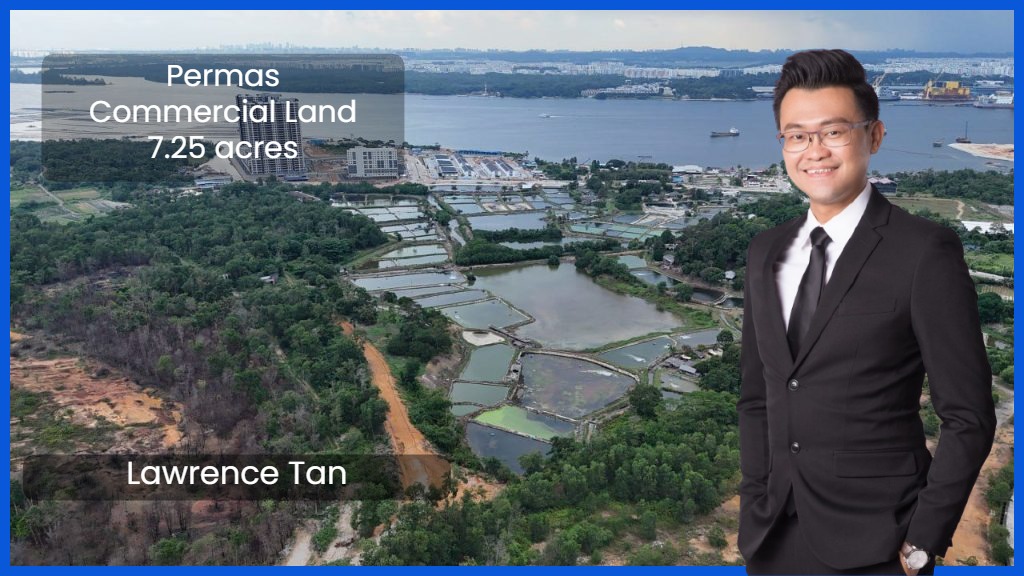 LT155Johor Bahru · JohorCommercial Land · 7.25 acre
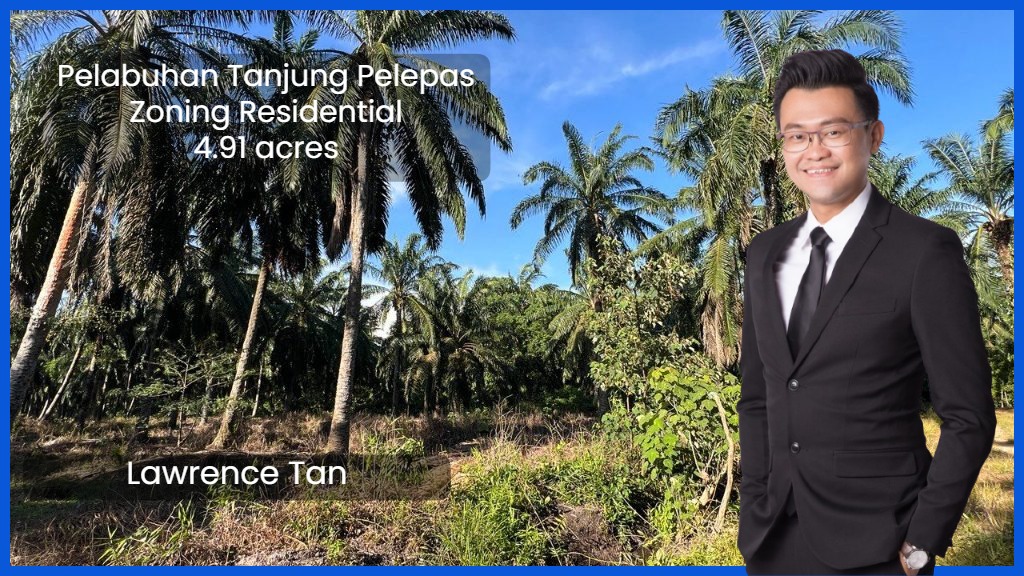 LT060Gelang Patah · Johor Darul Ta'zimAgriculture Land · 4.91 acre
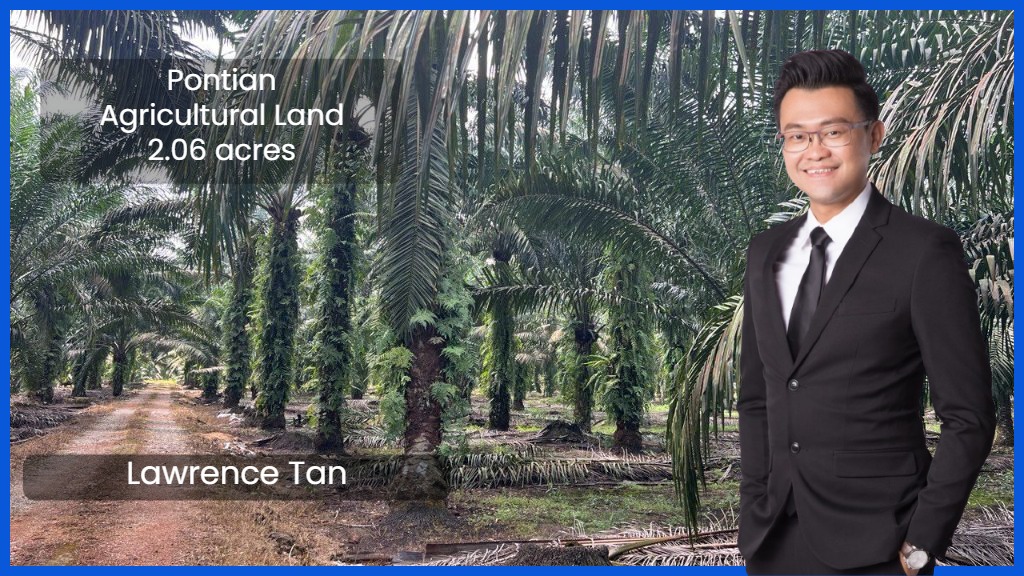 LT079Pontian · JohorAgriculture Land · 2.06 acre
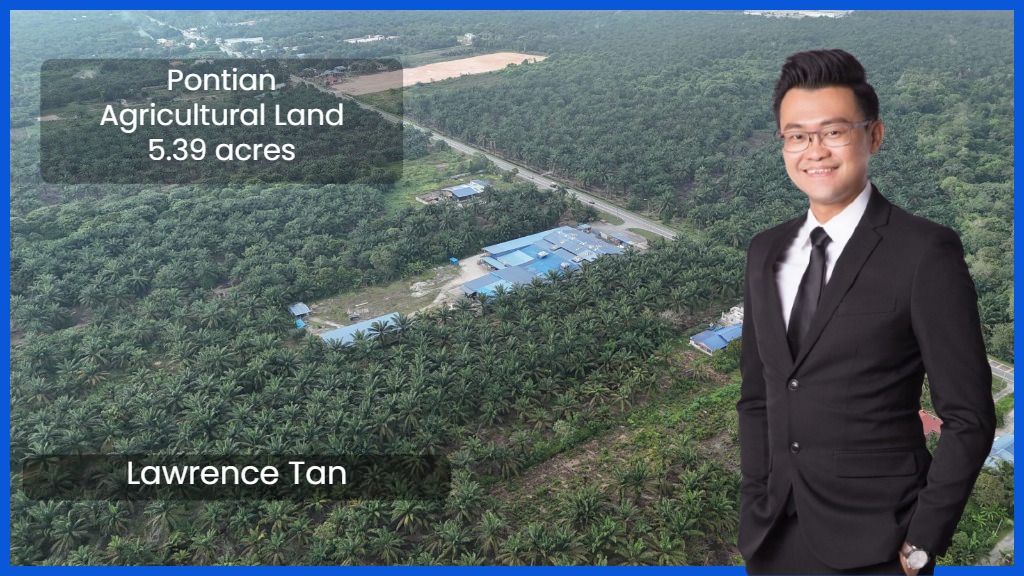 LT104-BPontian · JohorAgriculture Land · 5.393 acre
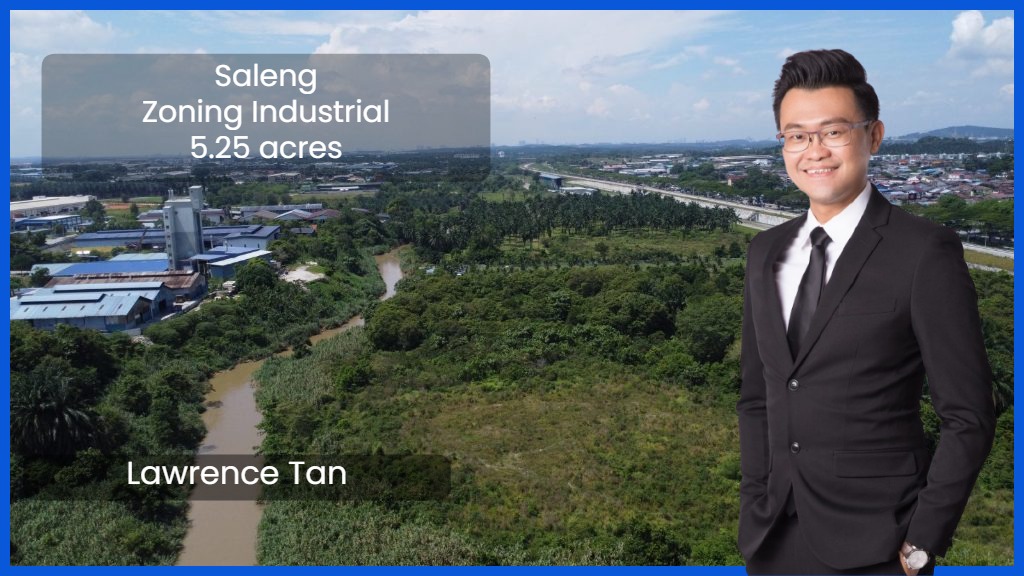 LT062Kulai · JohorAgriculture Land · 5.25 acre
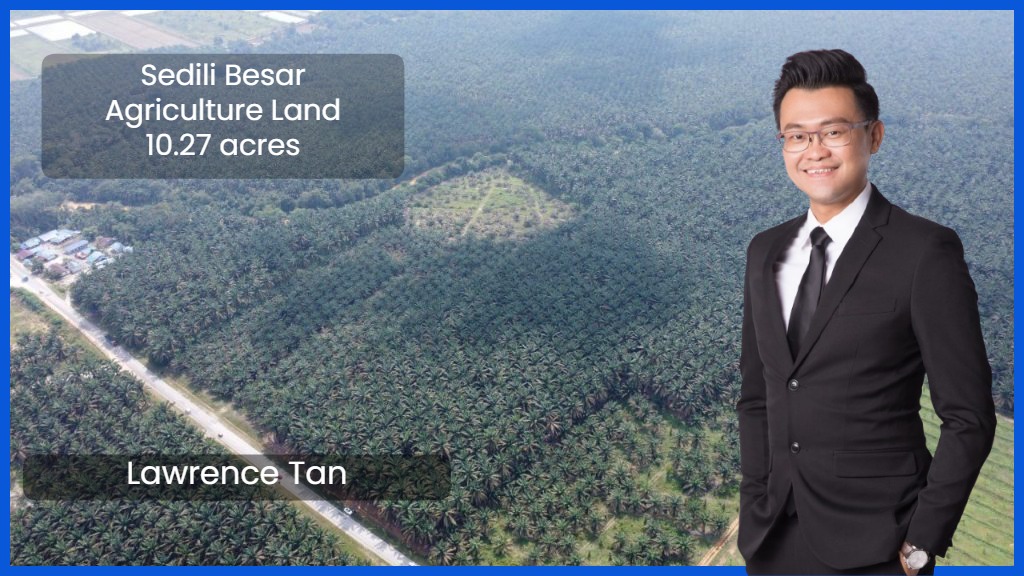 LT015Kota Tinggi · JohorAgriculture Land · 10.27 acre
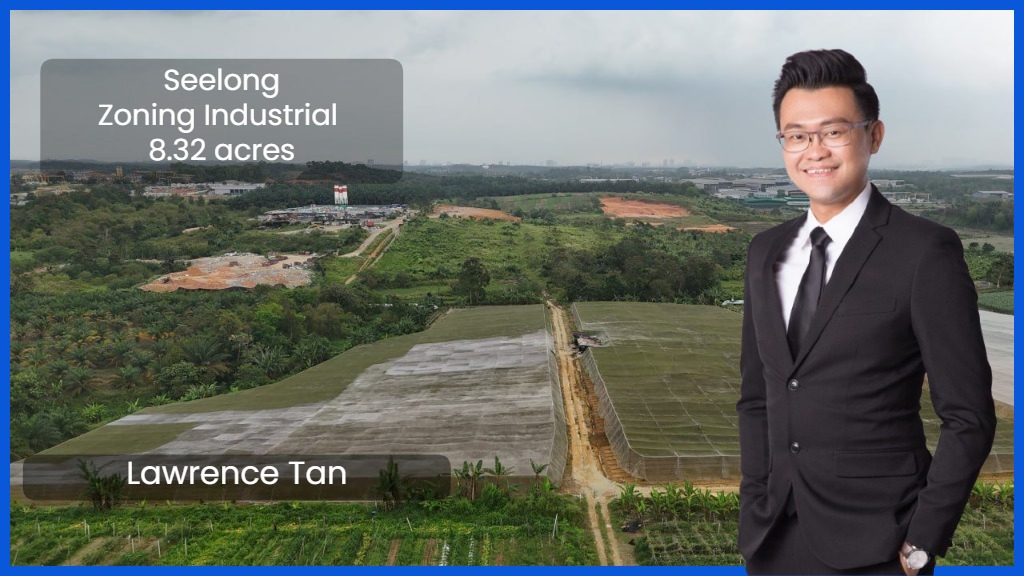 LT141Kulai · JohorAgriculture Land · 8.32 acre
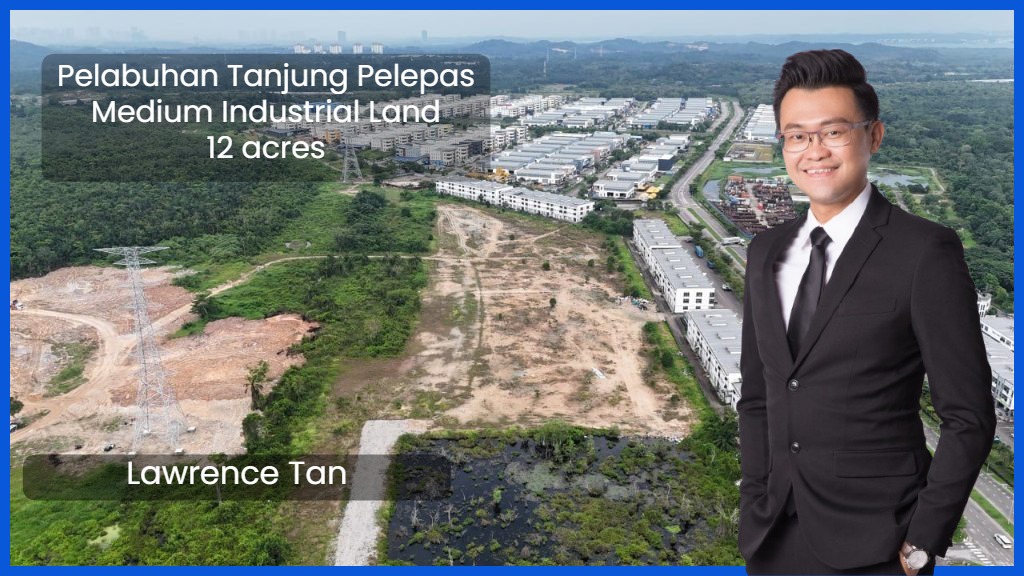 LT131-CGelang Patah · JohorIndustrial Land (Medium) · 12 acre
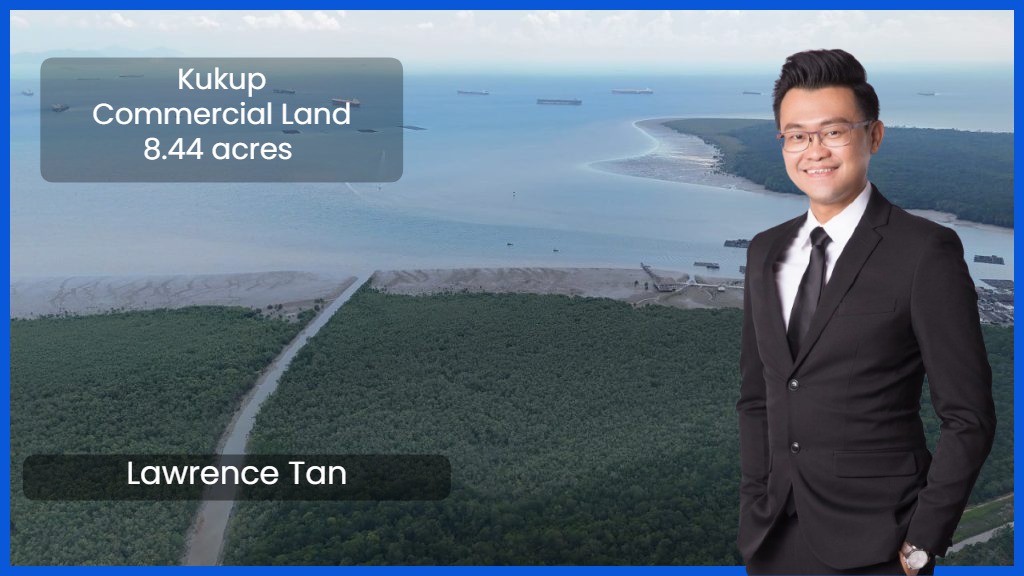 LT156Pontian · JohorCommercial Land · 8.449 acre
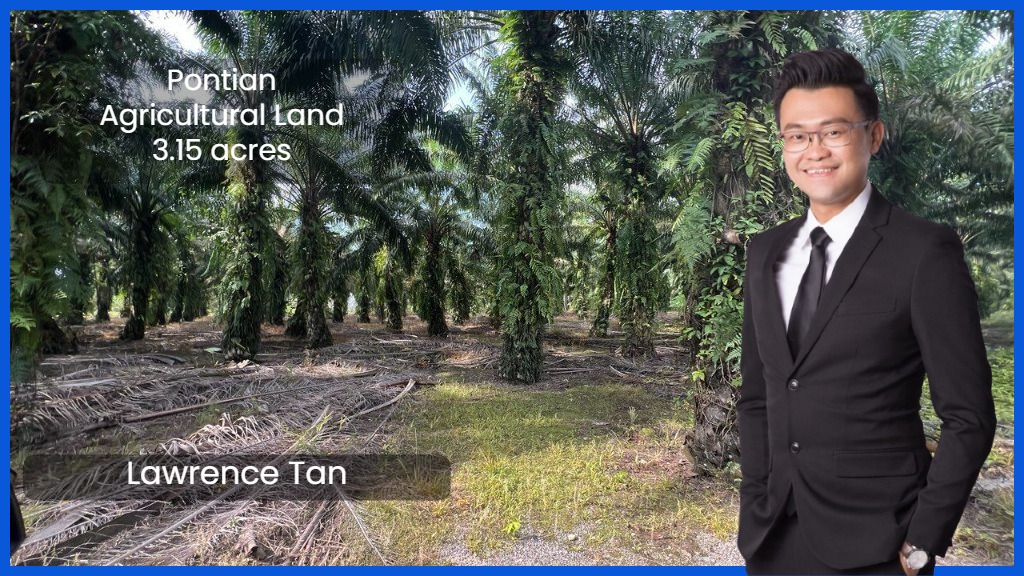 LT072Pontian · JohorAgriculture Land · 3.15 acre
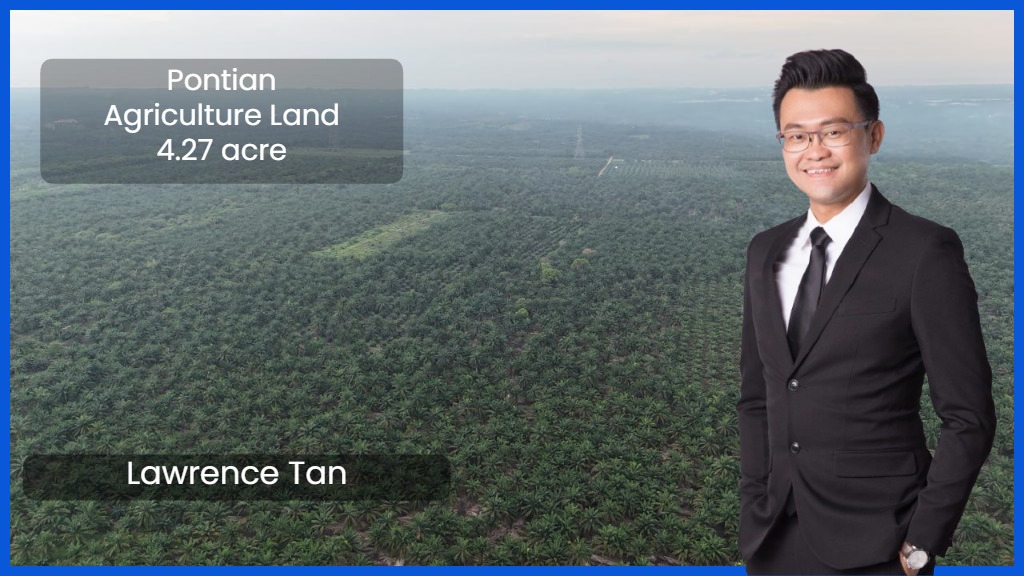 LT176Pontian · JohorAgriculture Land · 4.27 acre
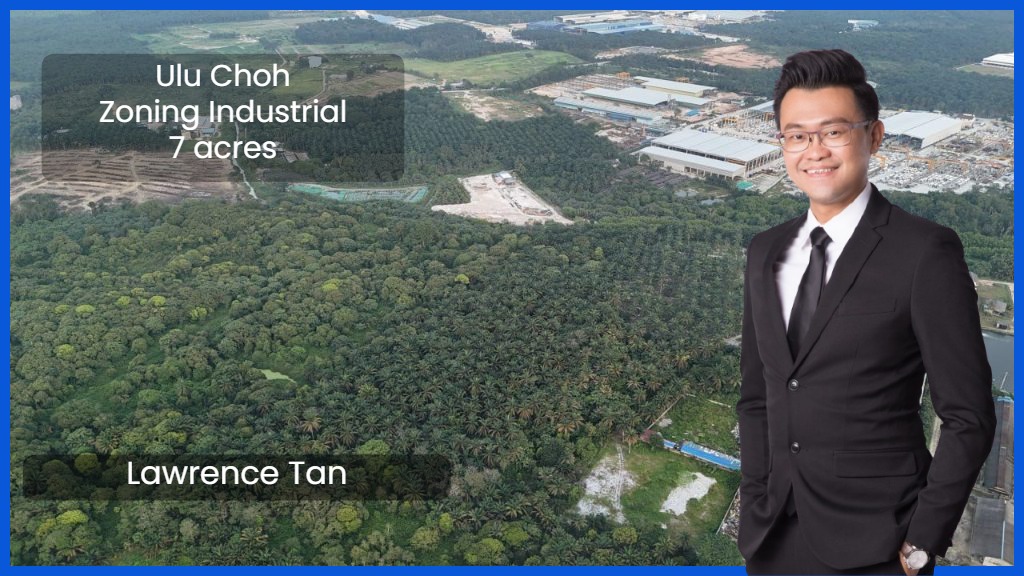 LT132Gelang Patah · JohorAgriculture Land · 7 acre
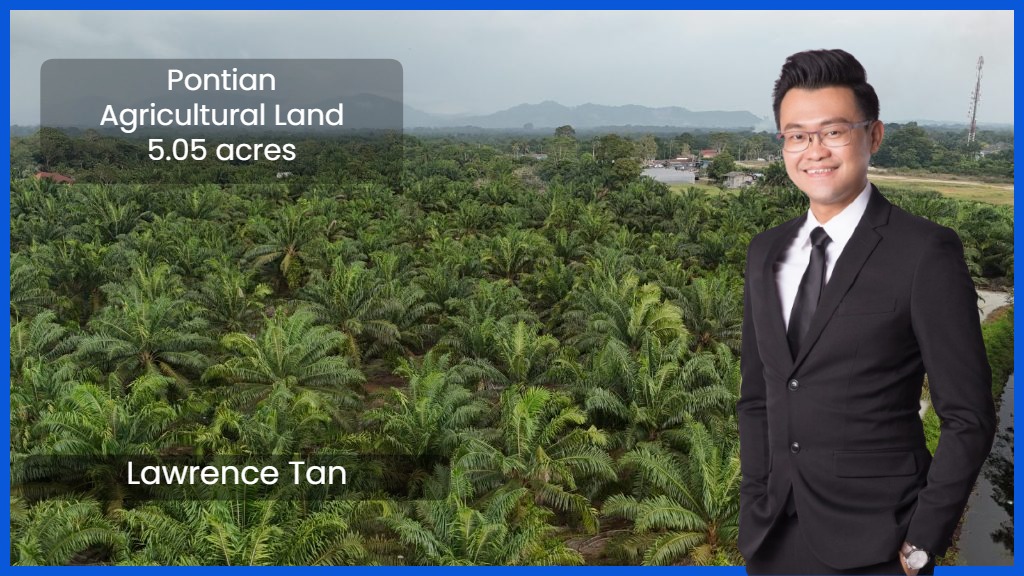 LT106-BPontian · JohorAgriculture Land · 5.056 acre
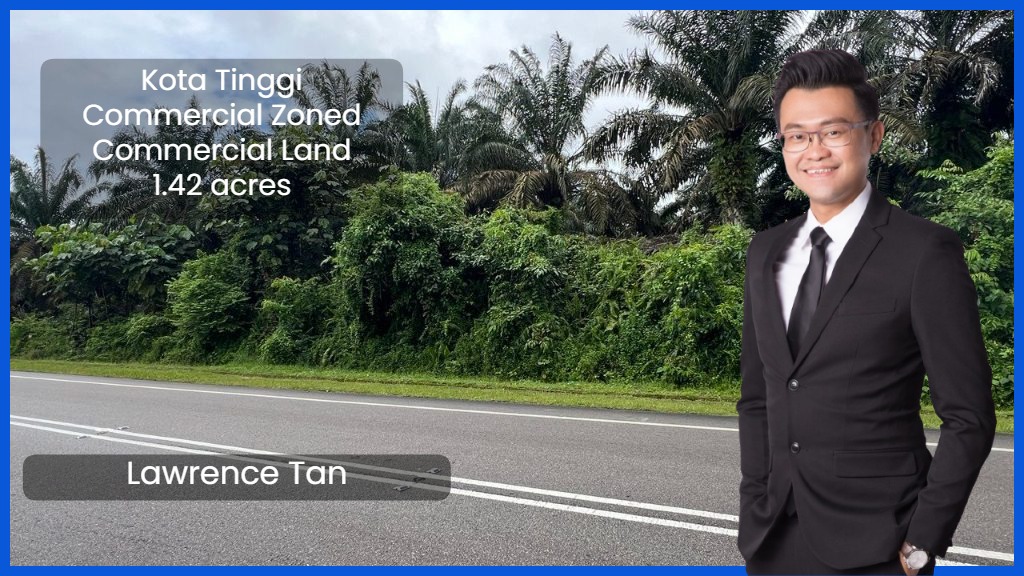 LT090Kota Tinggi · JohorCommercial Land (Petrol Station) · 1.426 acre
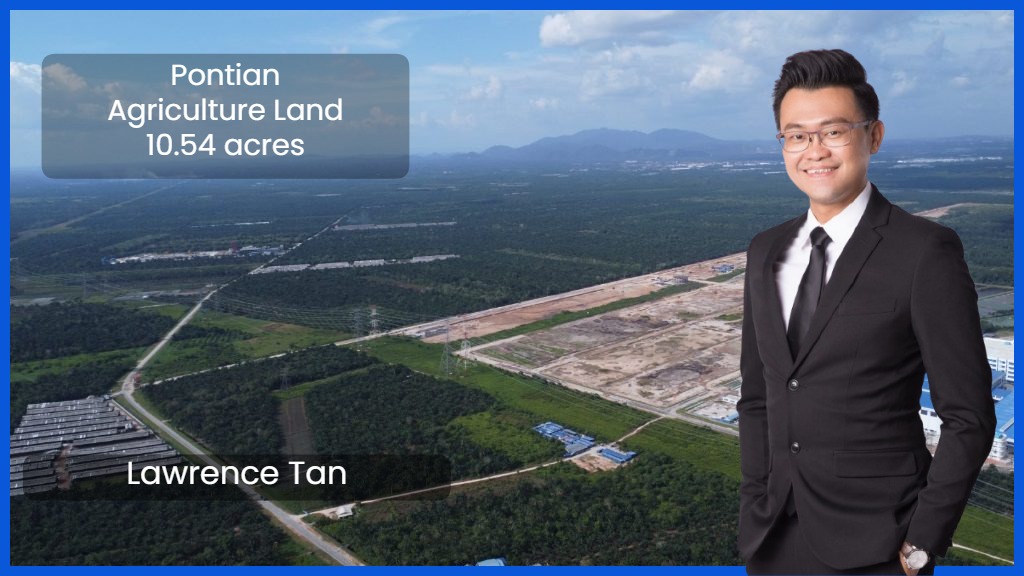 LT100-BPontian · Johor Darul Ta'zimAgriculture Land · 10.546 acre
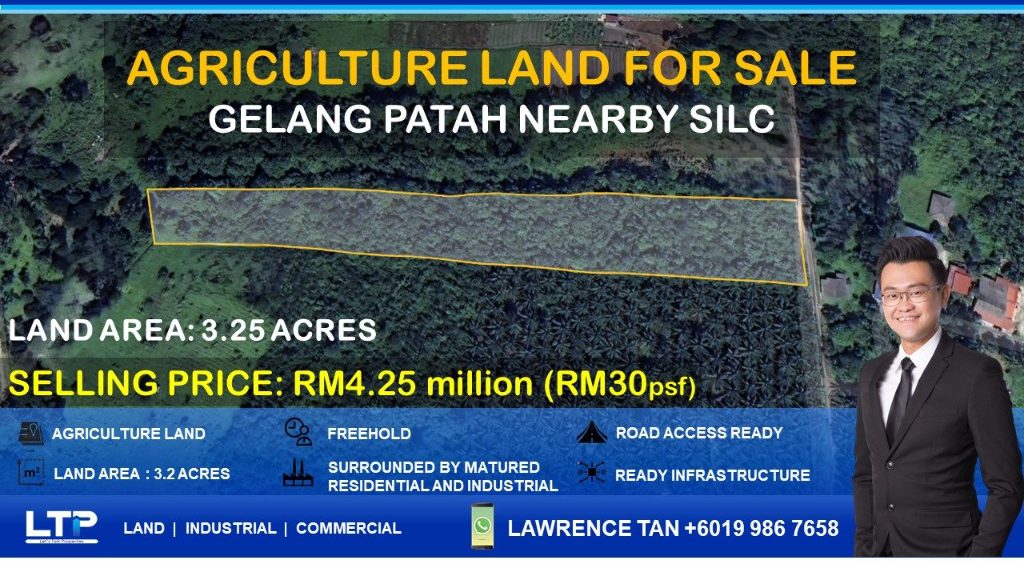 LT007Gelang Patah · Johor Darul Ta'zimAgriculture Land · 3.26 acre
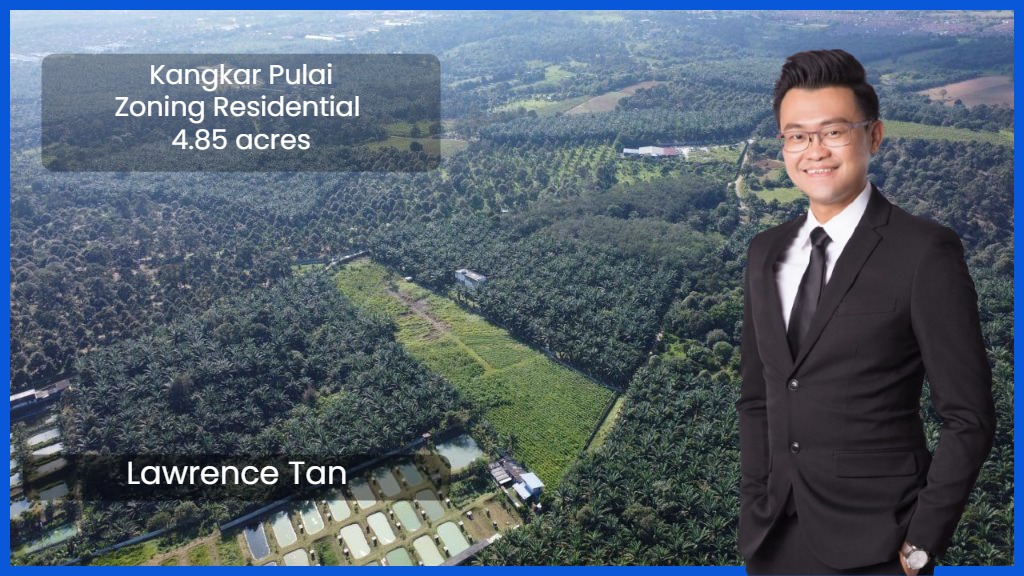 LT020Pulai · JohorAgriculture Land · 4.85 acre
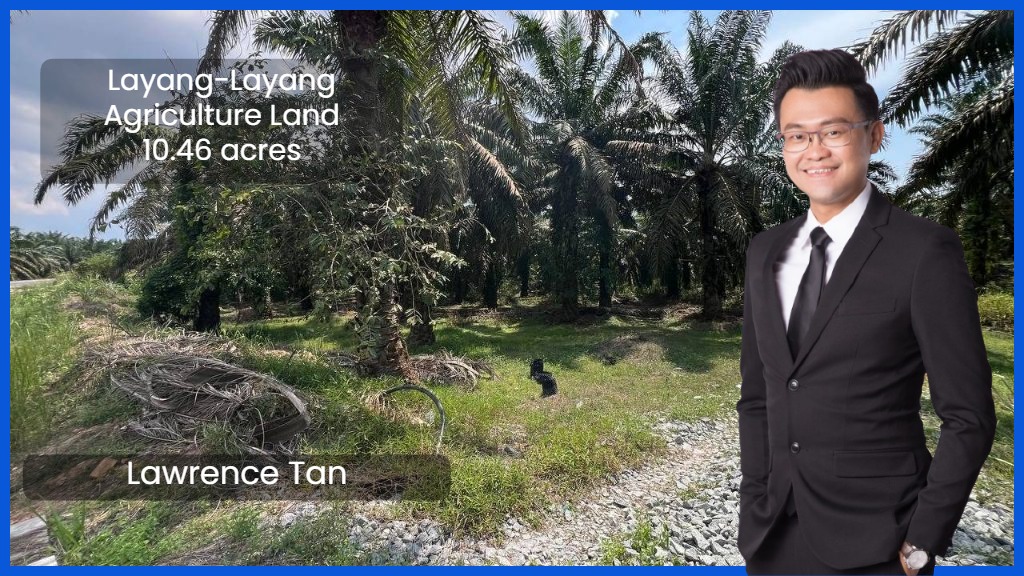 LT153Kulai · JohorAgriculture Land · 10.46 acre
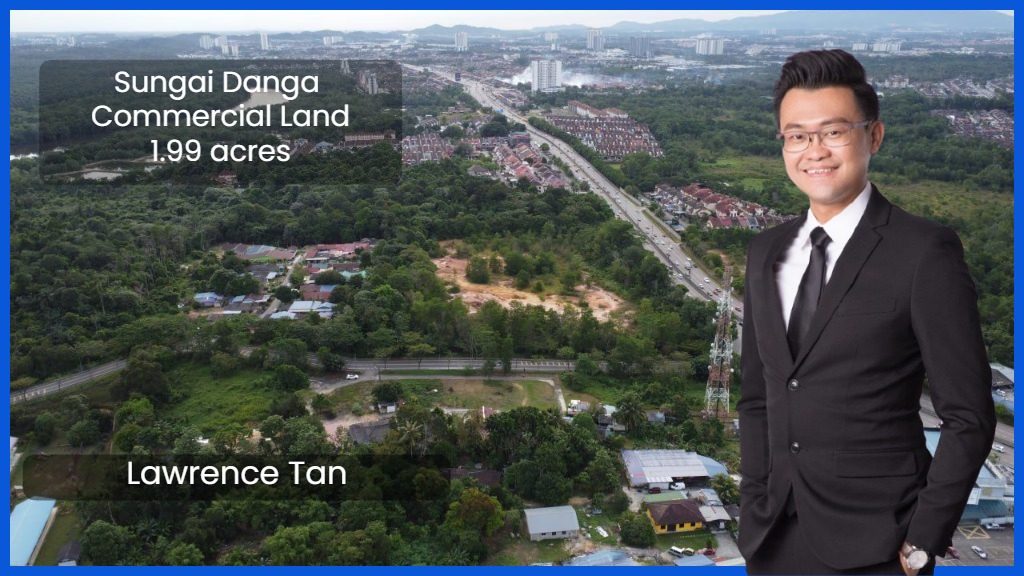 LT023Pulai · Johor Darul Ta'zimCommercial Land · 1.99 acre
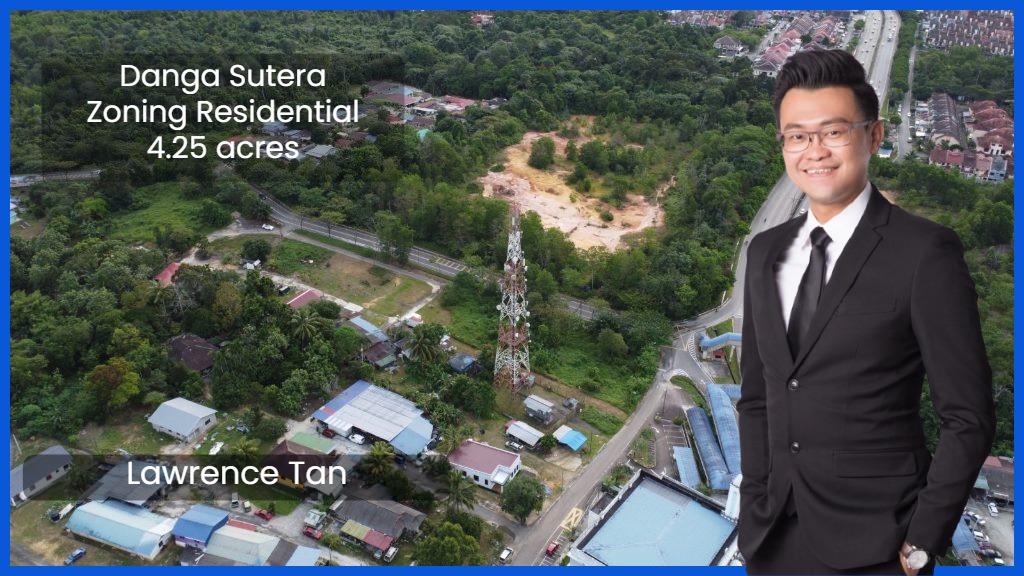 LT021Pulai · JohorAgriculture Land · 4.25 acre
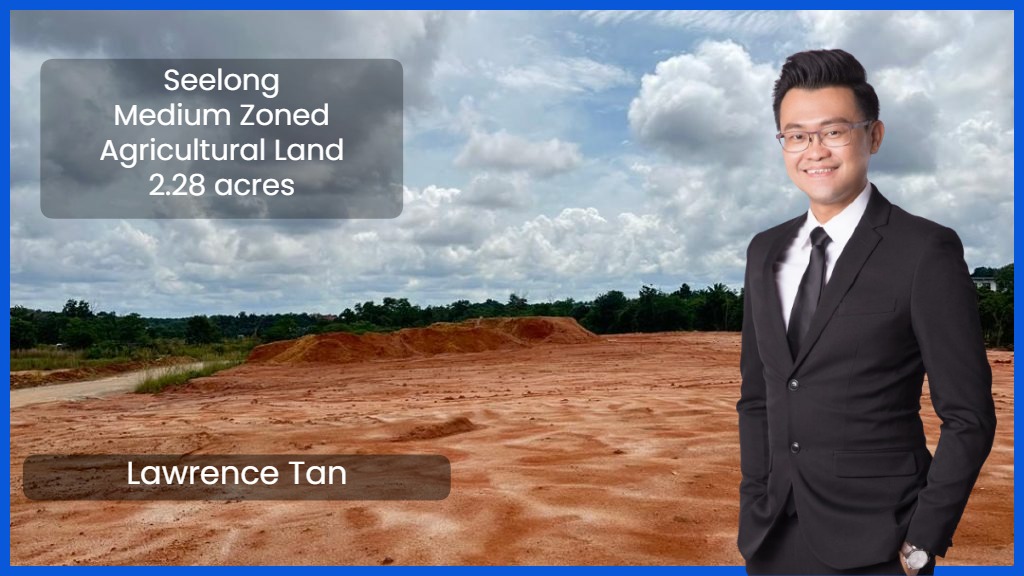 LT129-CKulai · Johor Darul Ta'zimIndustrial Land (Medium) · 2.28 acre
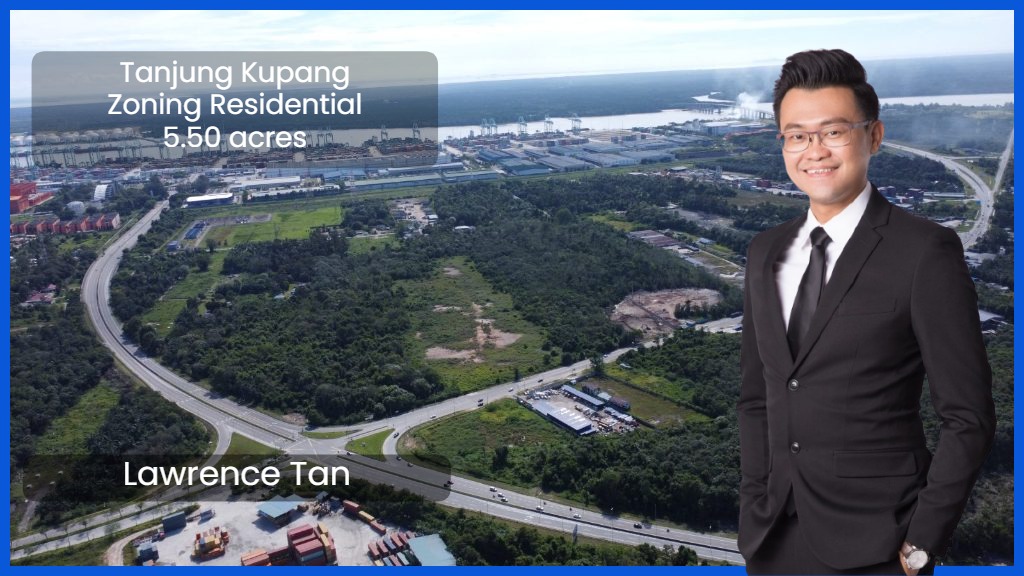 LT067Gelang Patah · JohorAgriculture Land · 5.5 acre
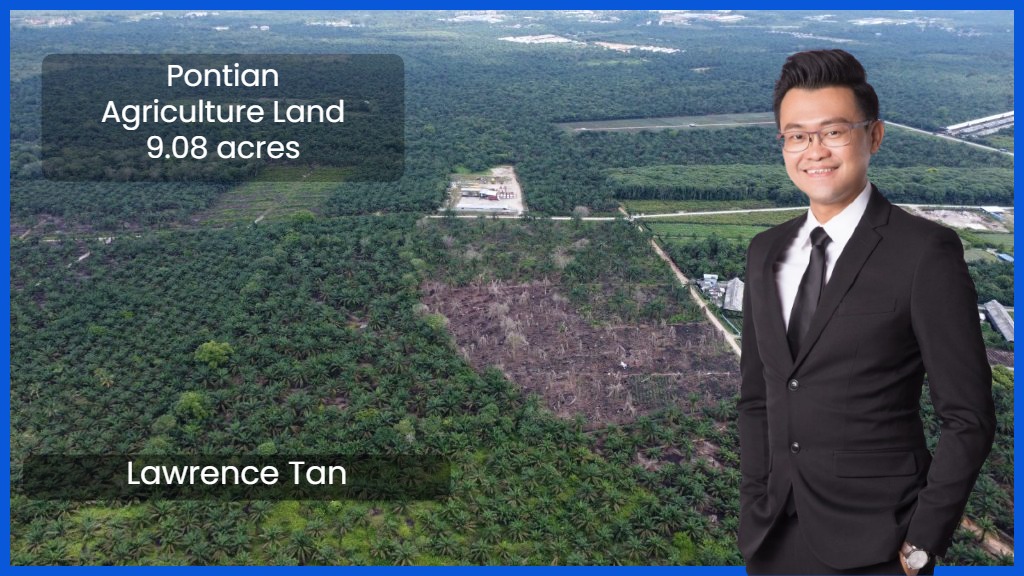 LT041Pontian · JohorAgriculture Land · 9.08 acre
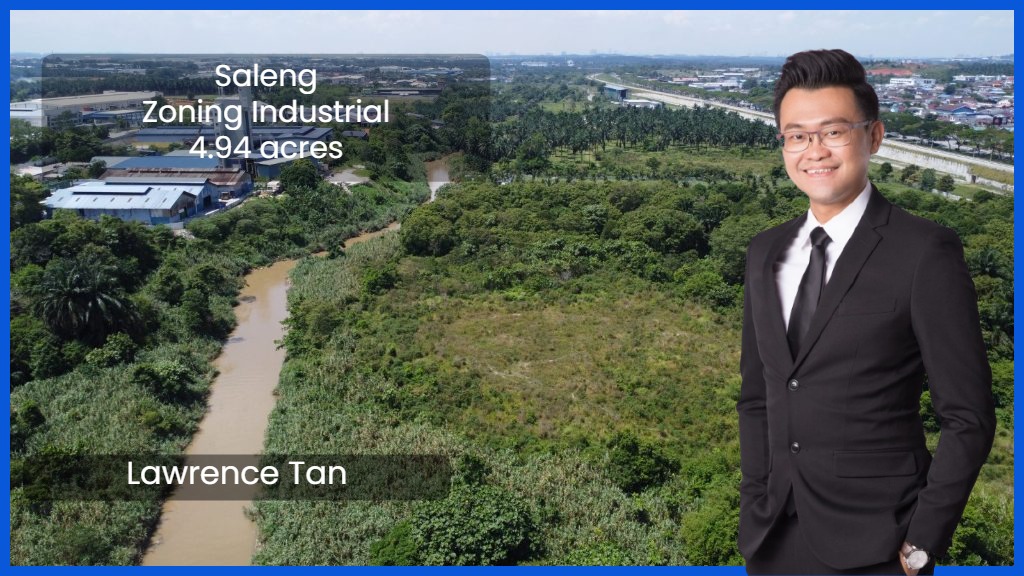 LT063Kulai · JohorAgriculture Land · 4.94 acre
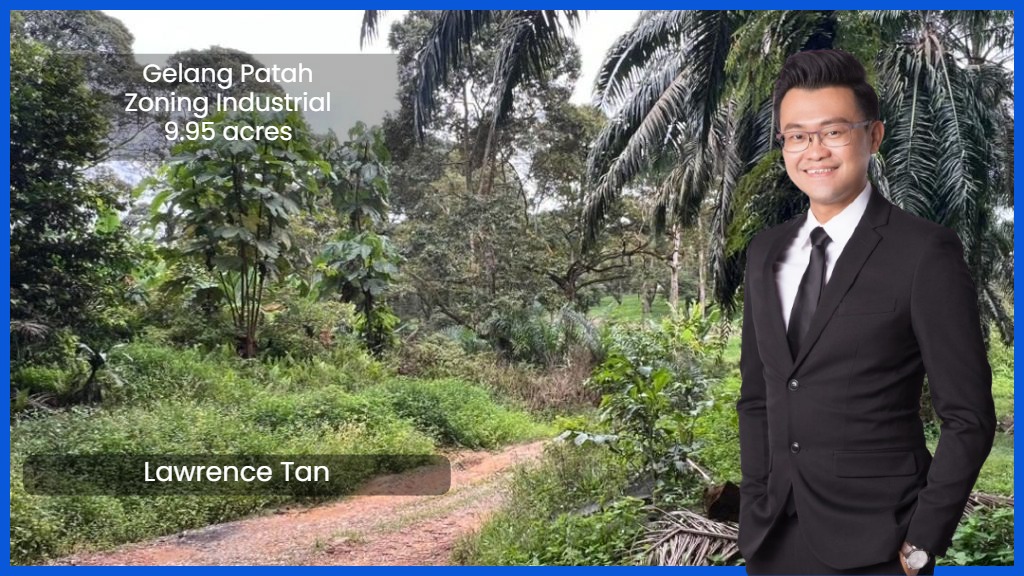 LT083Gelang Patah · JohorAgriculture Land · 9.95 acre
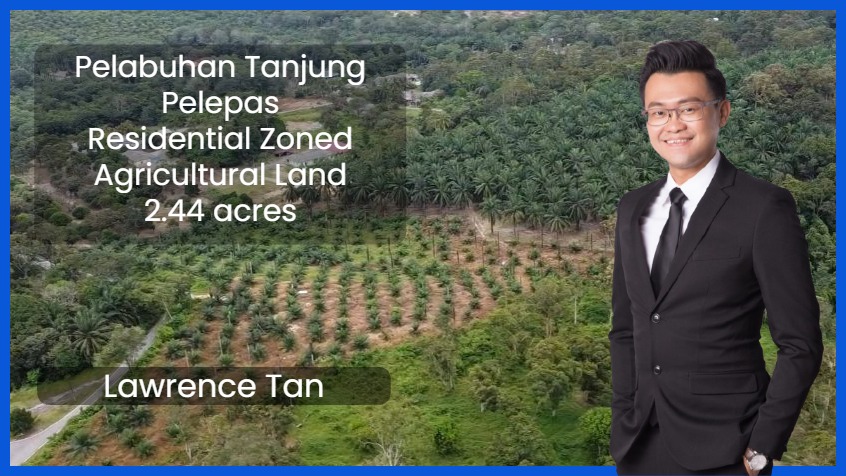 LT008Gelang Patah · Johor Darul Ta'zimAgriculture Land · 2.44 acre
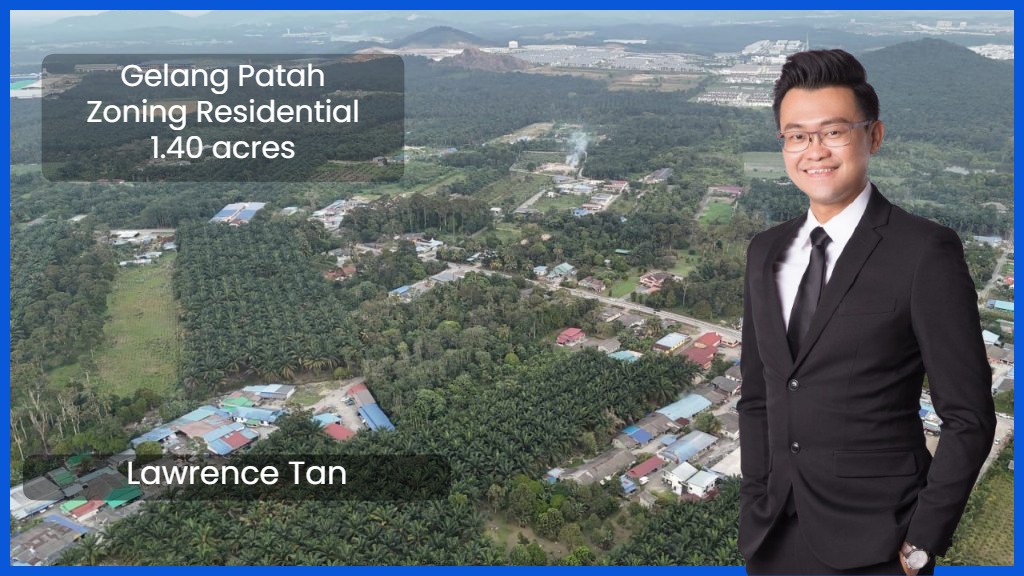 LT162kGelang Patah · Johor1.4 acre
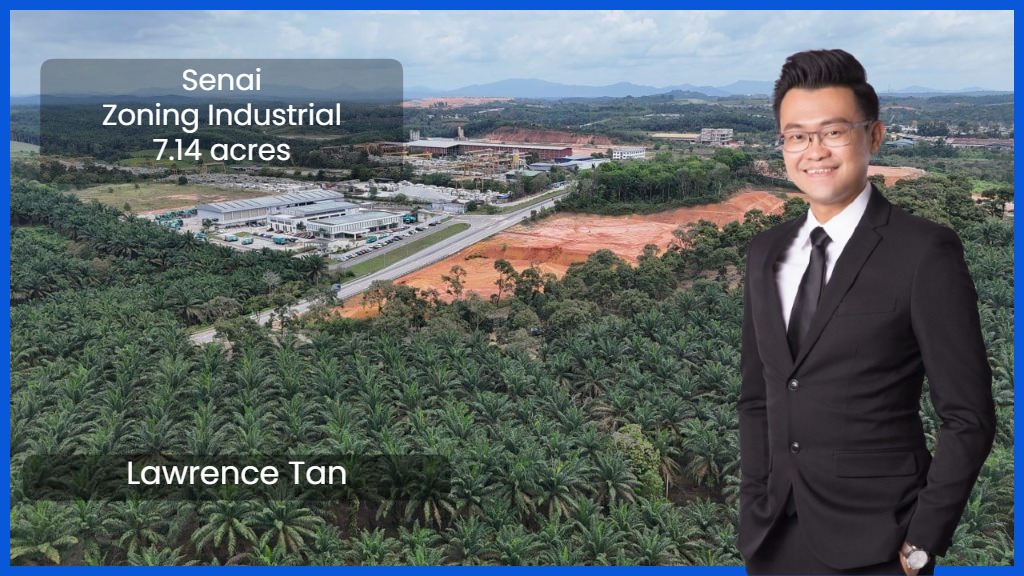 LT144-BKulai · JohorAgriculture Land · 7.14 acre
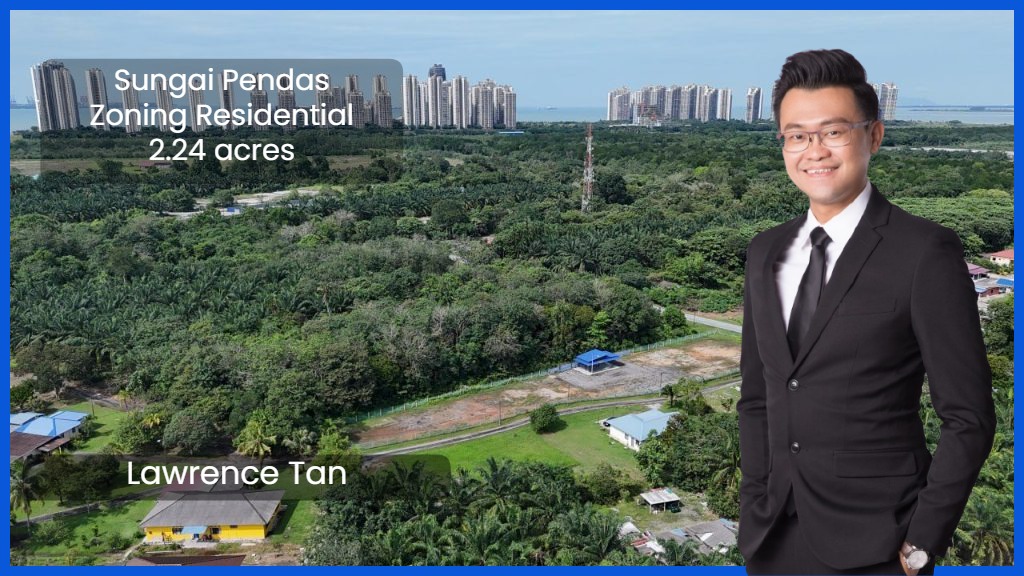 LT163-BGelang Patah · Johor2.24 acre
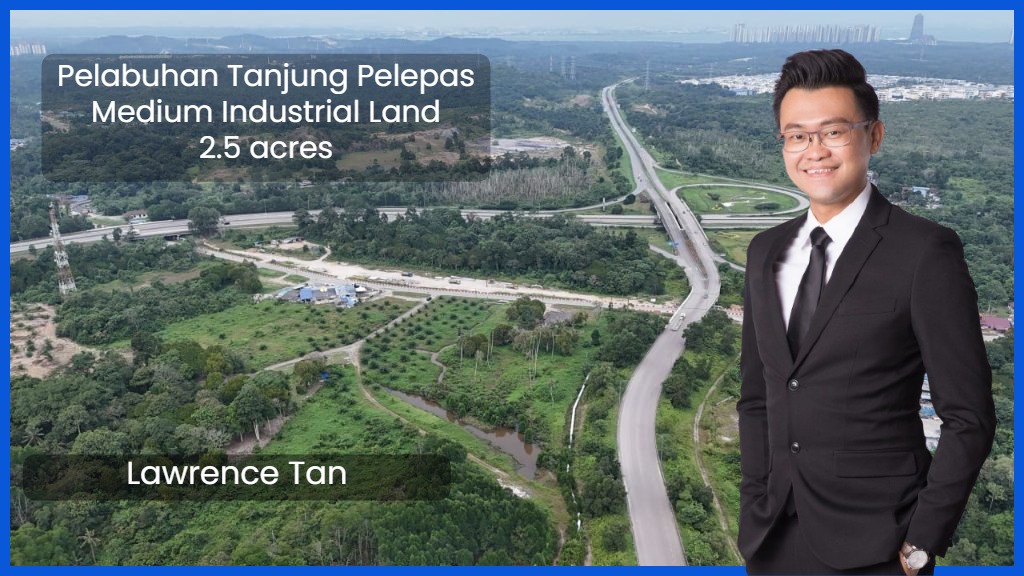 LT162eGelang Patah · JohorIndustrial Land (Medium) · 2.5 acre
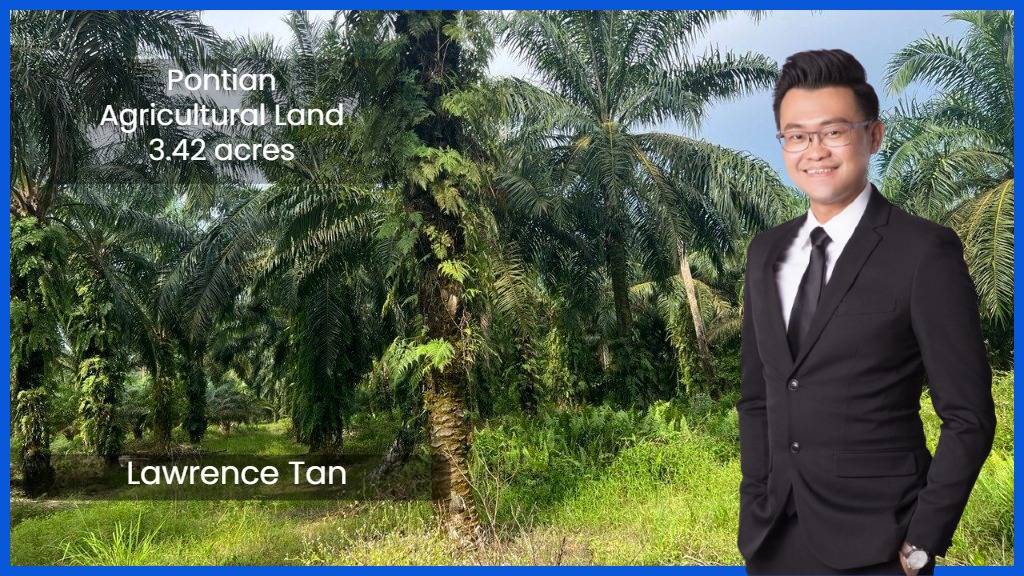 LT070Pontian · JohorAgriculture Land · 3.42 acre
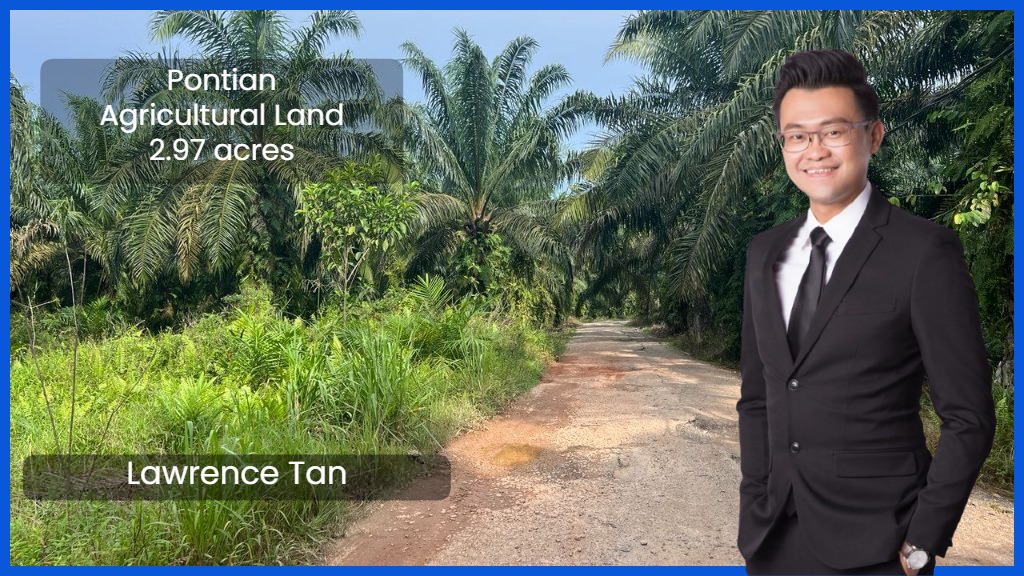 LT074Pontian · JohorAgriculture Land · 2.97 acre
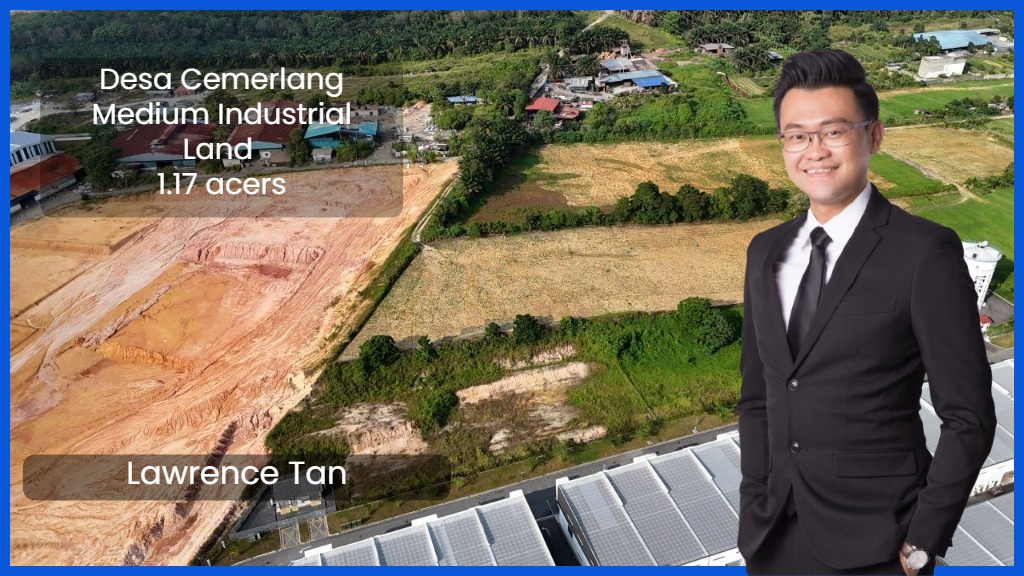 LT124Johor Bahru · JohorIndustrial Land (Medium) · 1.176 acre
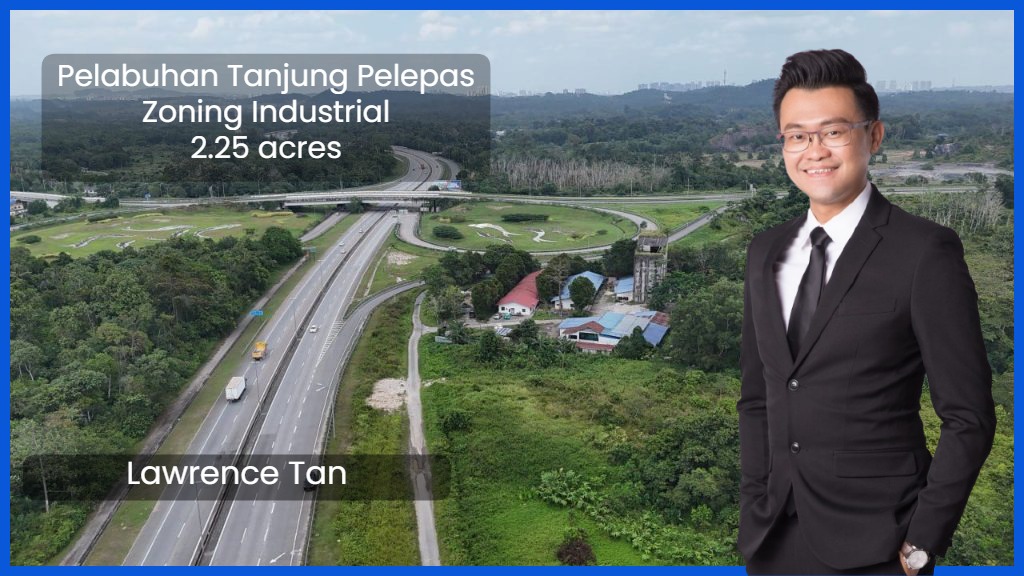 LT157Gelang Patah · JohorAgriculture Land · 2.255 acre
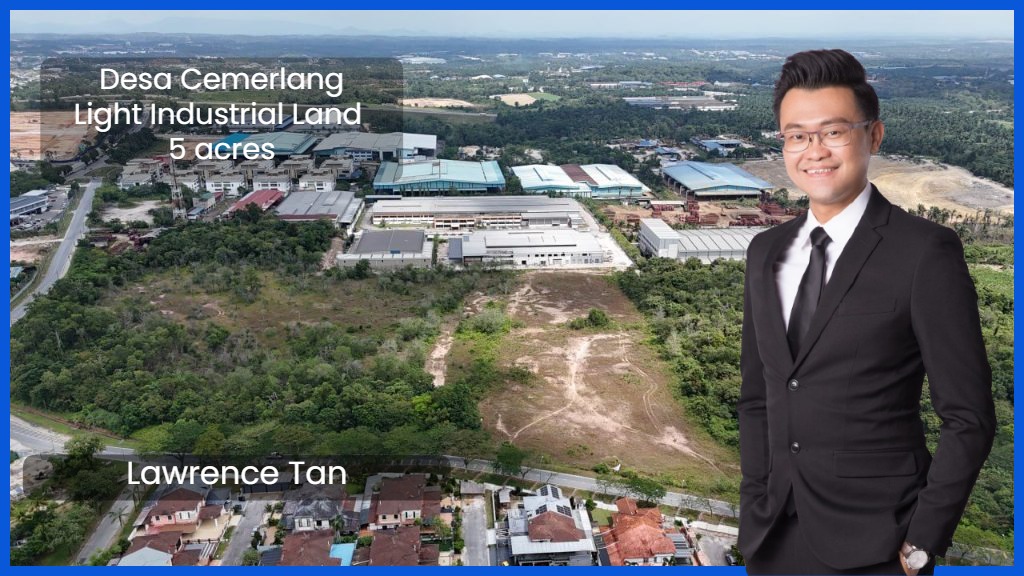 LT123Johor Bahru · JohorIndustrial Land (Light) · 5 acre
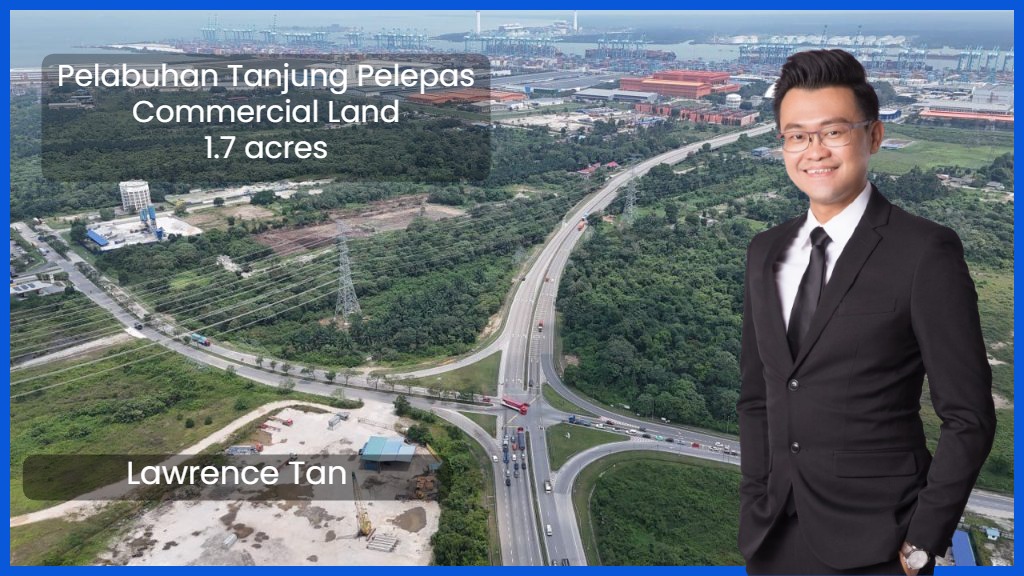 LT162bGelang Patah · JohorCommercial Land (Petrol Station) · 1.7 acre
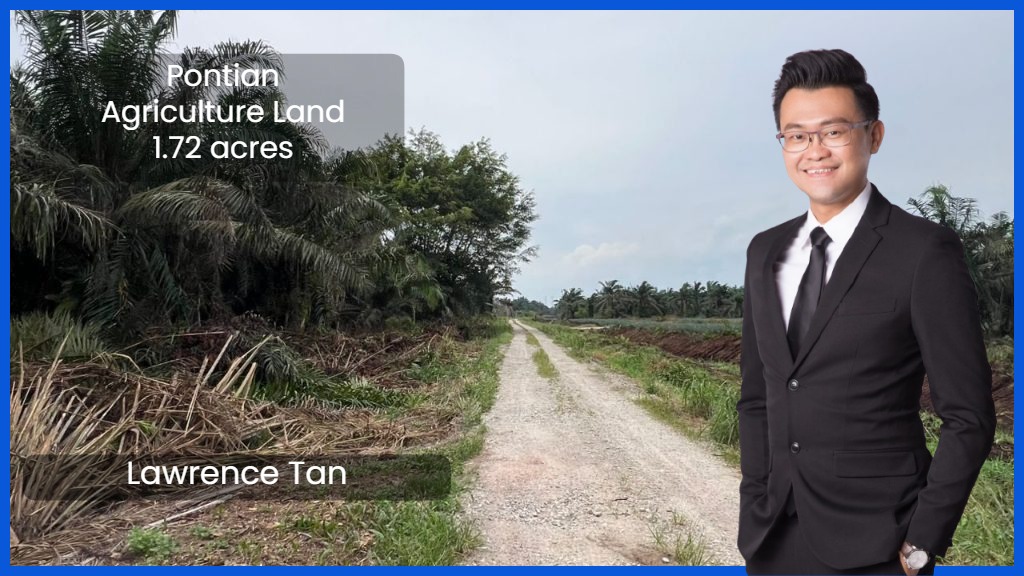 LT042Pontian · JohorAgriculture Land · 1.72 acre
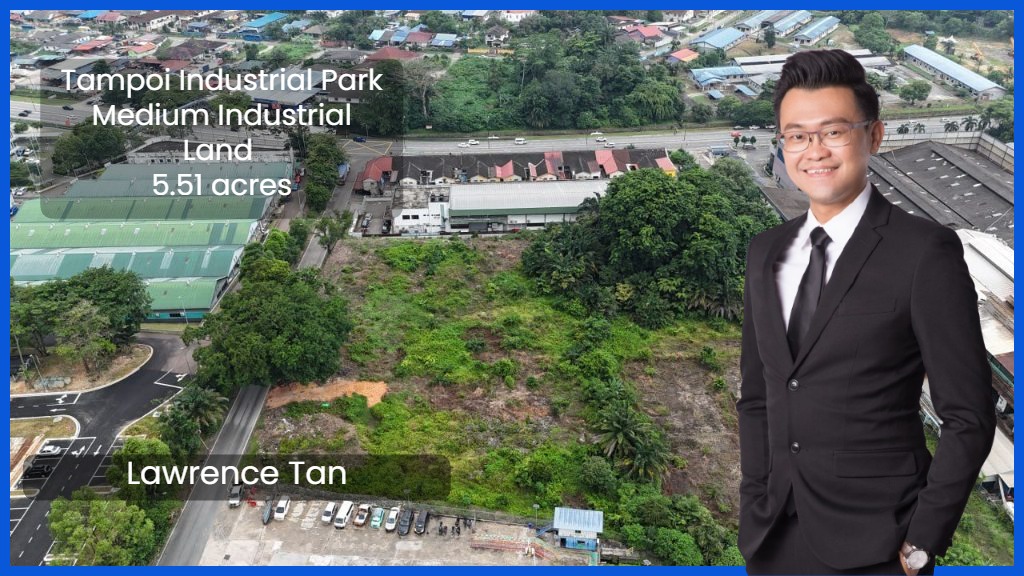 LT173bJohor Bahru · JohorIndustrial Land (Medium) · 5.51 acre
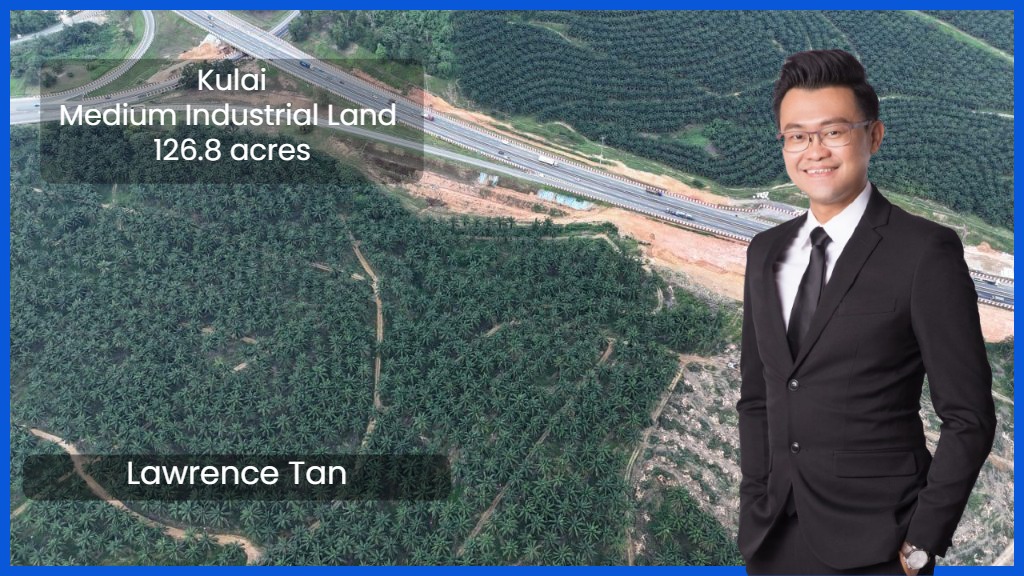 LT166Kulai · JohorIndustrial Land (Medium) · 126.8 acre
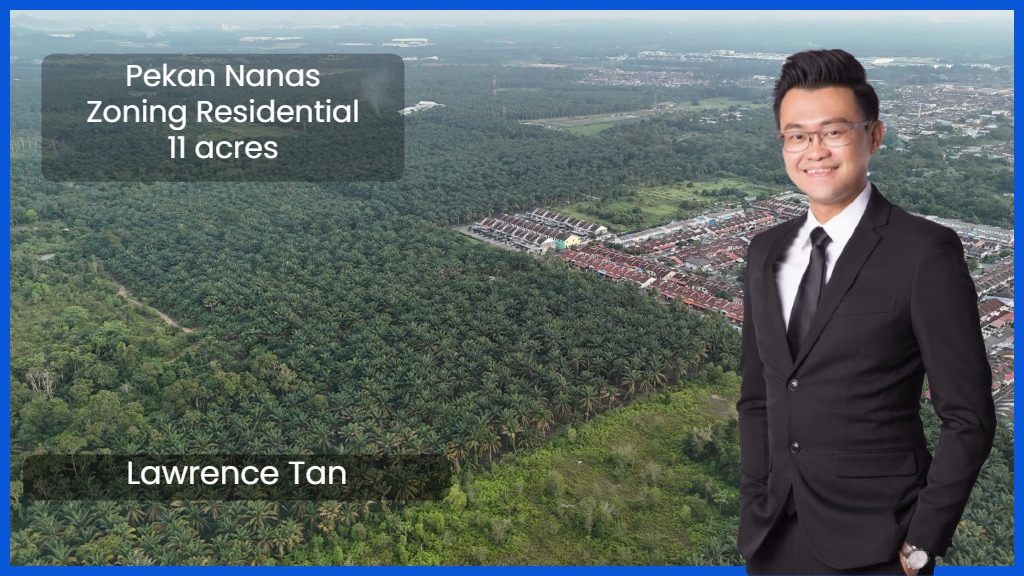 LT137Pontian · JohorAgriculture Land · 11 acre
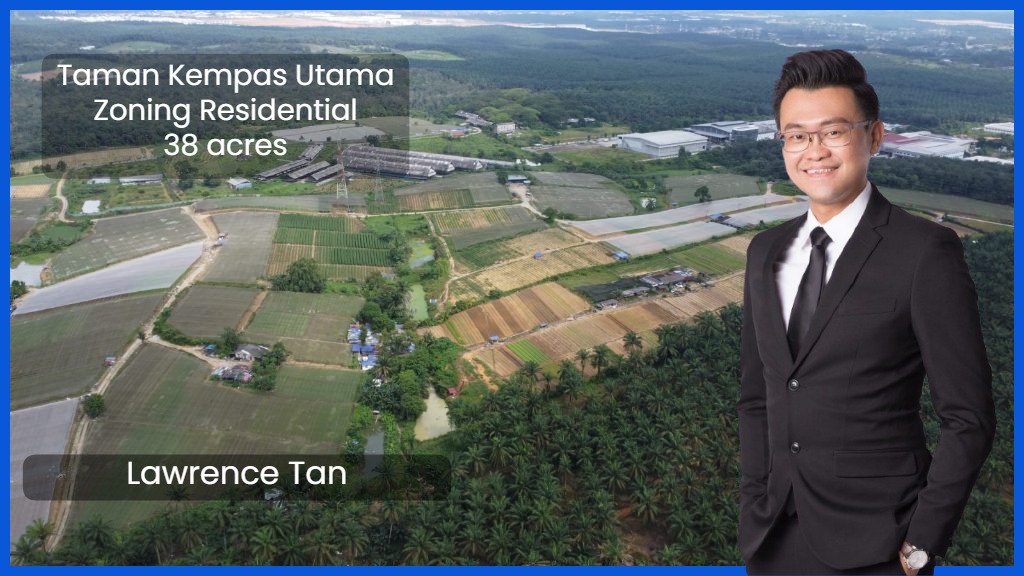 LT025Tebrau · JohorAgriculture Land · 38 acre
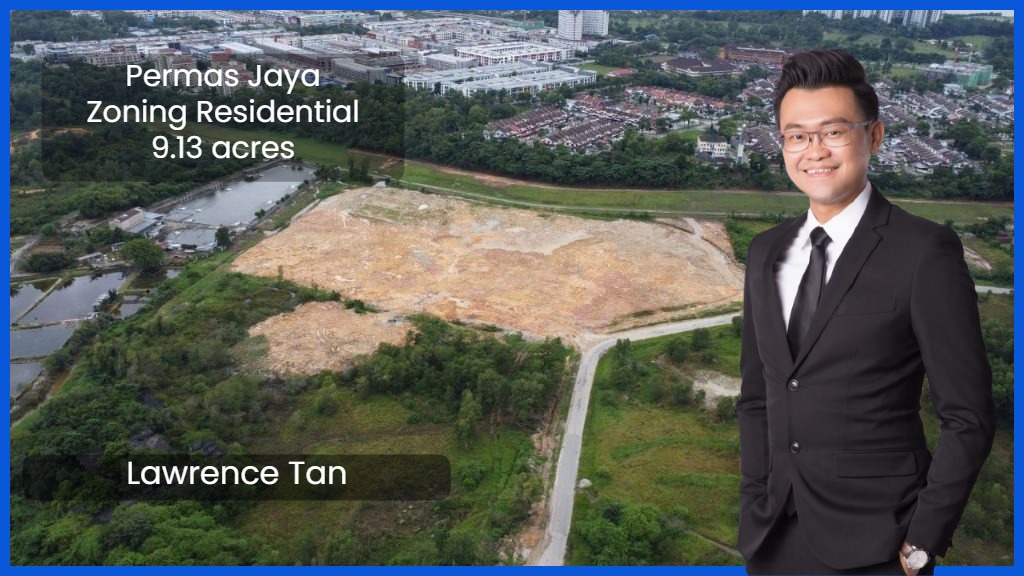 LT017Johor Bahru · JohorAgriculture Land · 9.13 acre
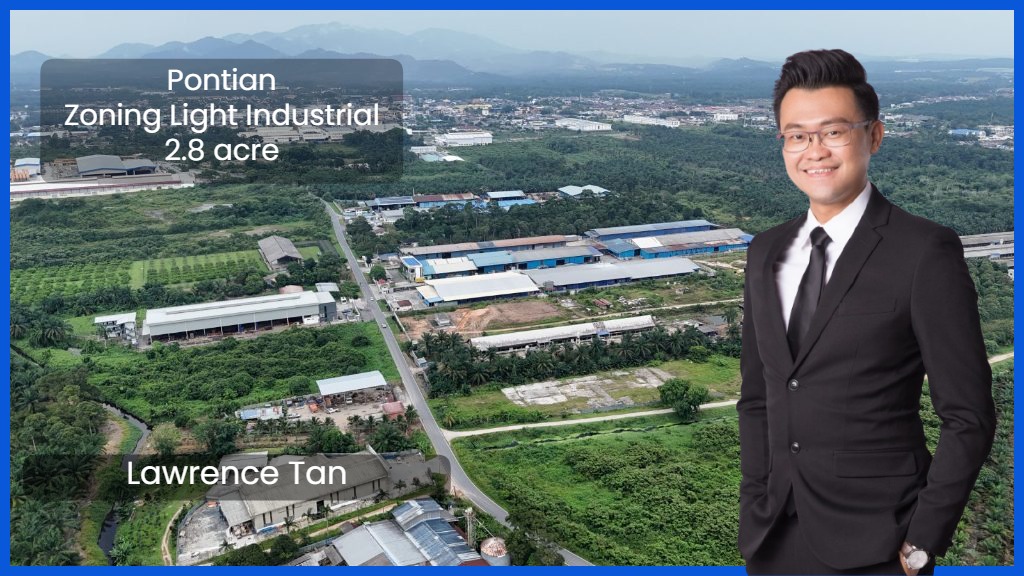 LT069Pontian · Johor Darul Ta'zimIndustrial Land (Light) · 2.8 acre
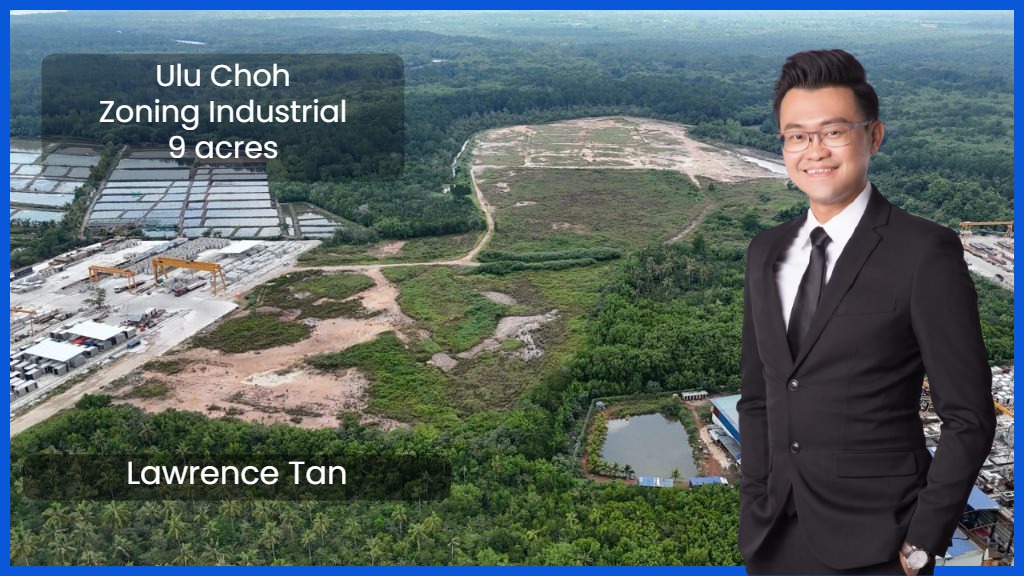 LT159Gelang Patah · JohorAgriculture Land · 9 acre
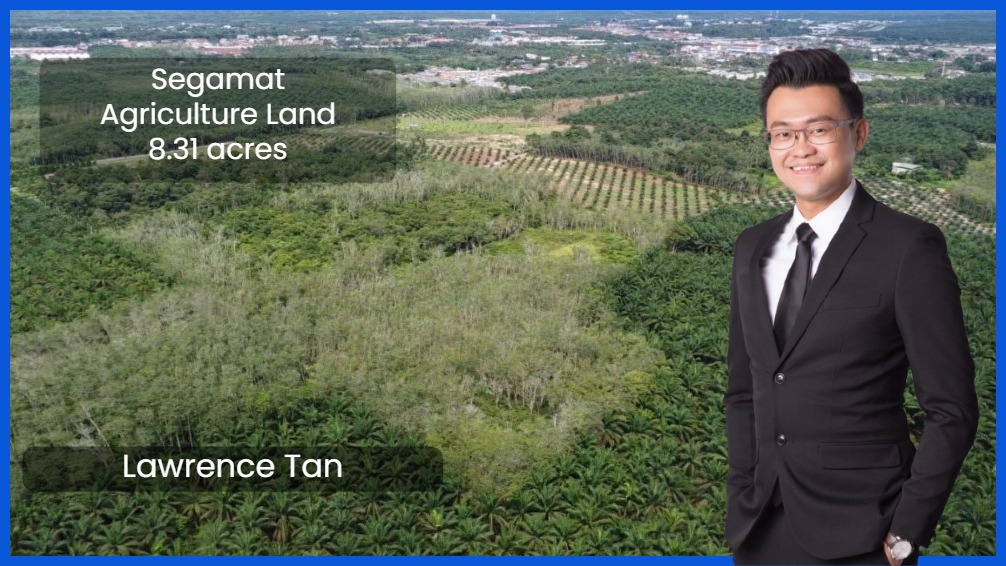 LT034Segamat · JohorAgriculture Land · 8.31 acre
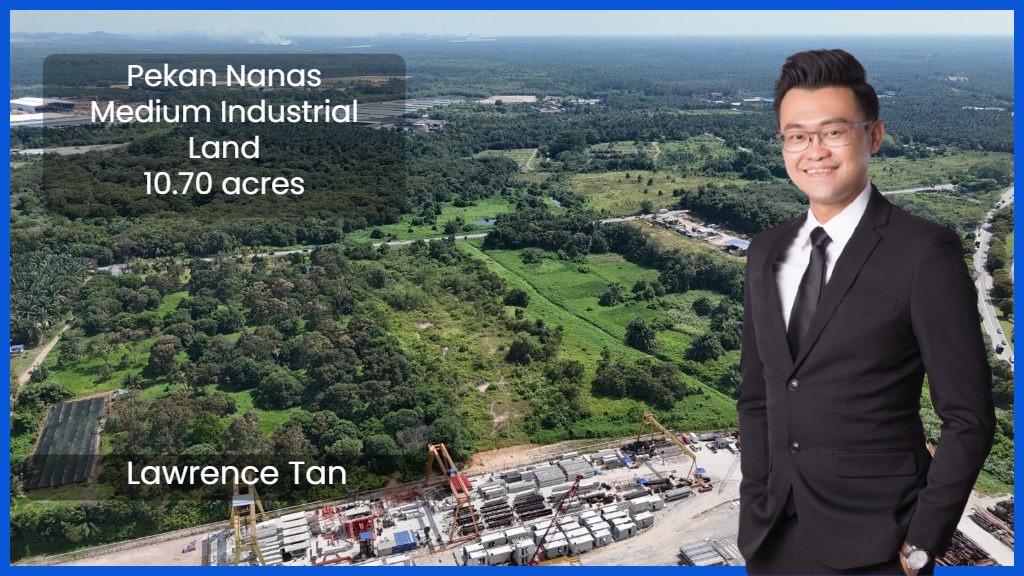 LT134Pontian · JohorIndustrial Land (Medium) · 10.7 acre
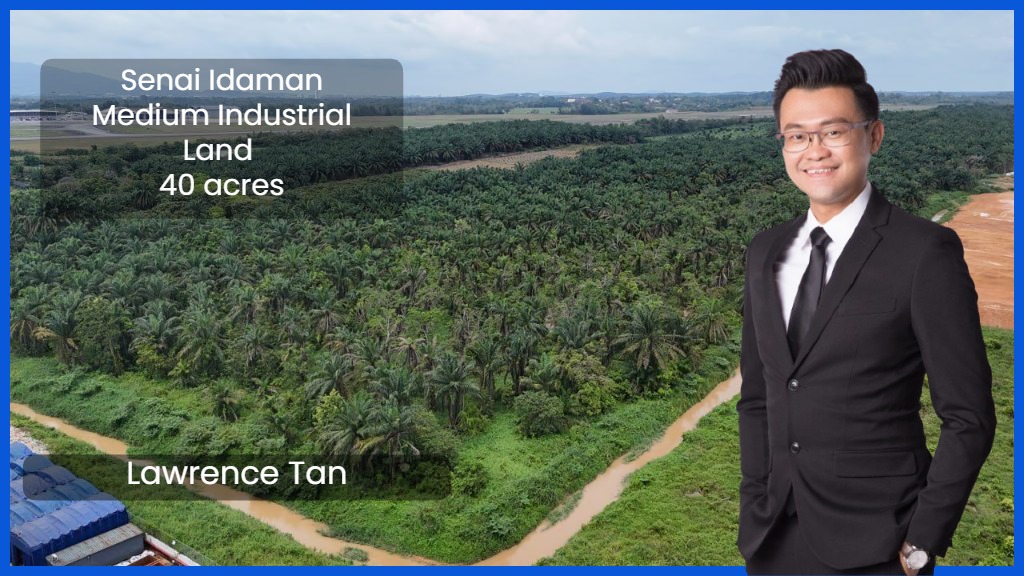 LT161-CKulai · JohorIndustrial Land (Medium) · 40 acre
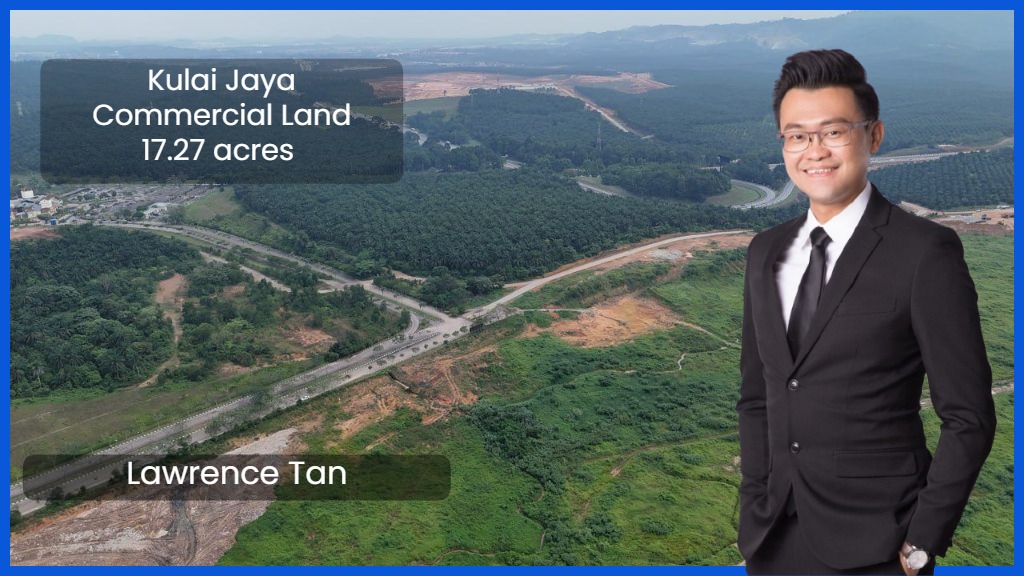 LT158Kulai · JohorCommercial Land · 17.27 acre
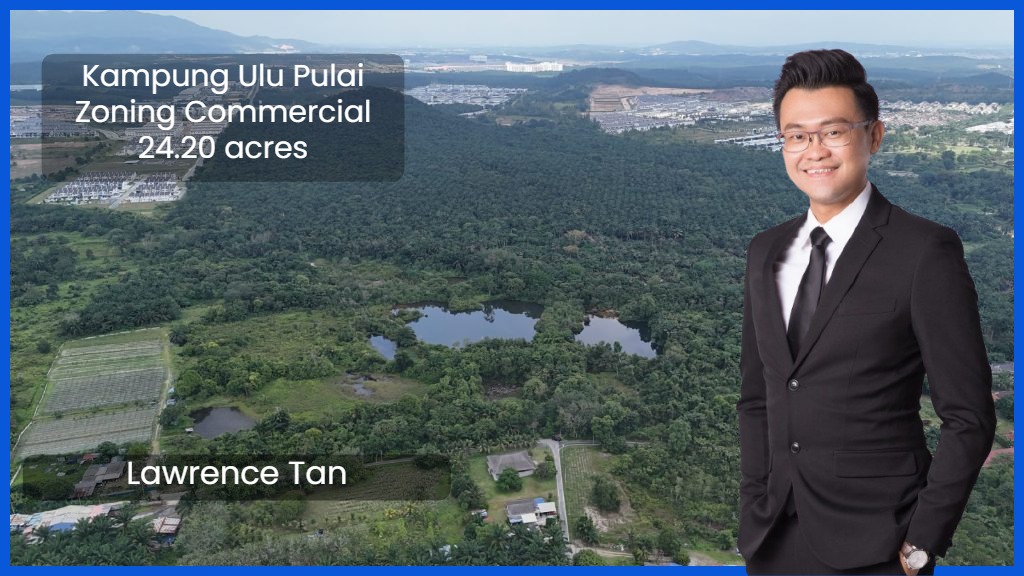 LT084Pontian · Johor Darul Ta'zimAgriculture Land · 24.2 acre
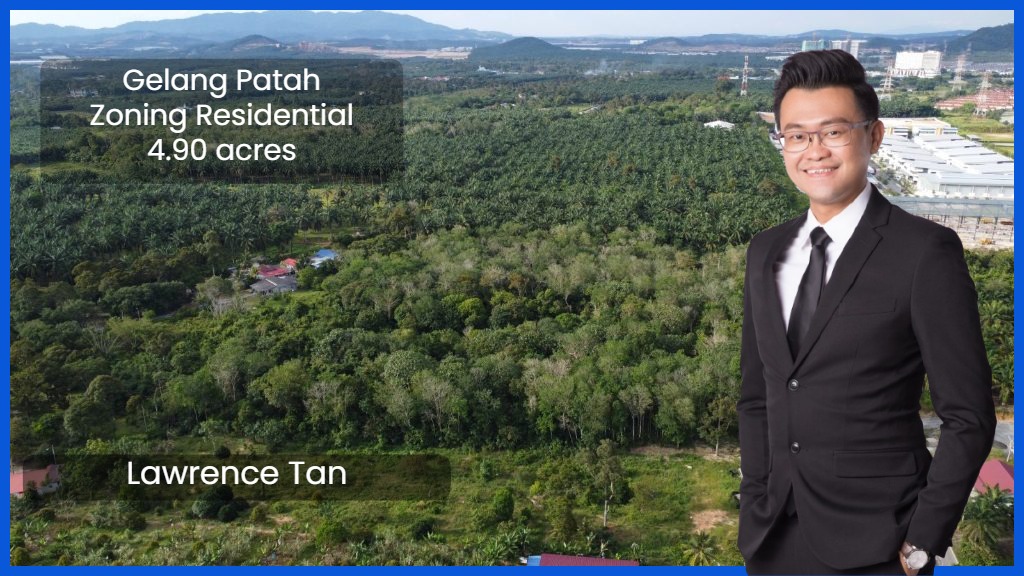 LT108Gelang Patah · JohorAgriculture Land · 4.9 acre
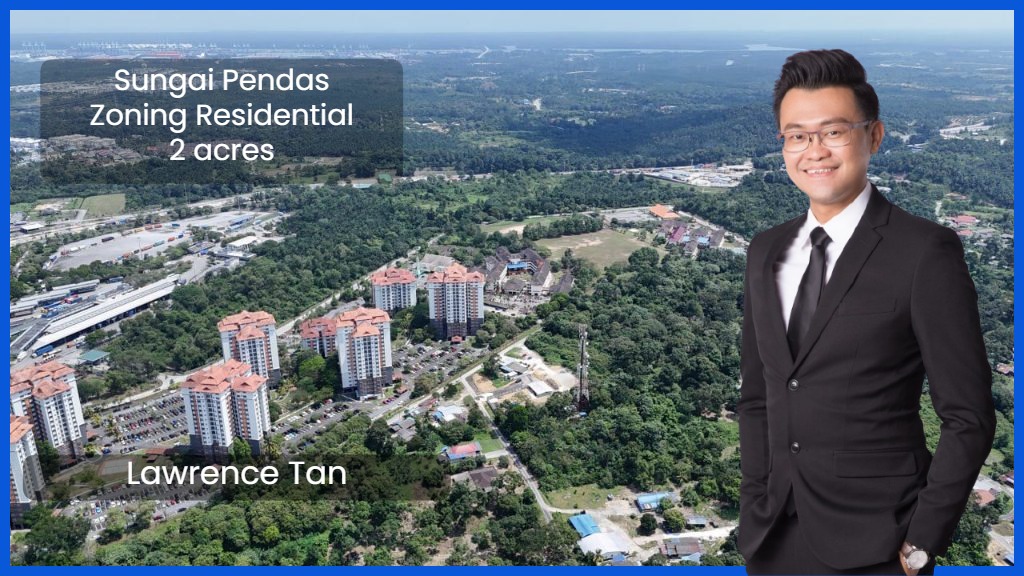 LT162gGelang Patah · Johor2 acre
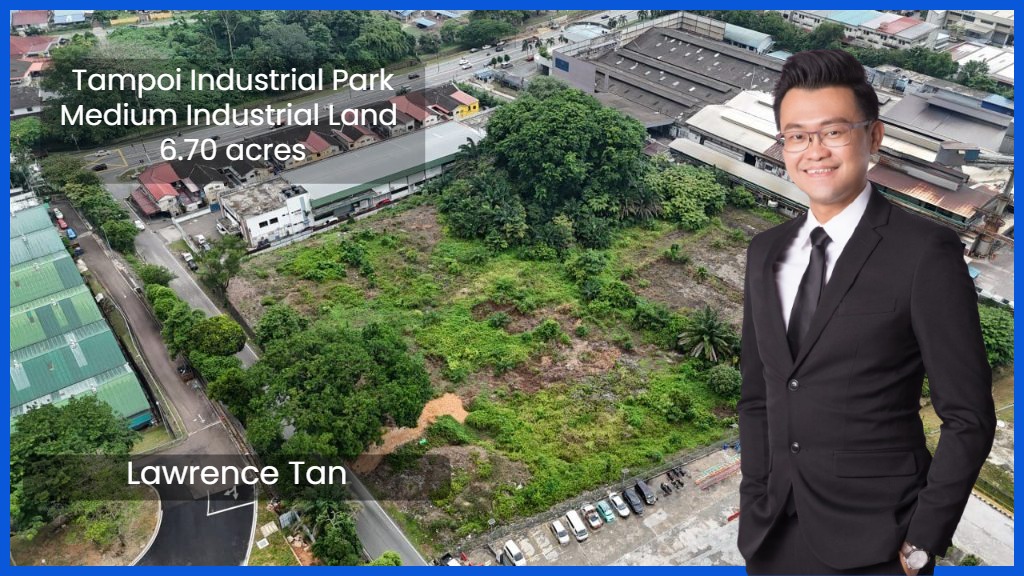 LT173aJohor Bahru · JohorIndustrial Land (Medium) · 6.706 acre
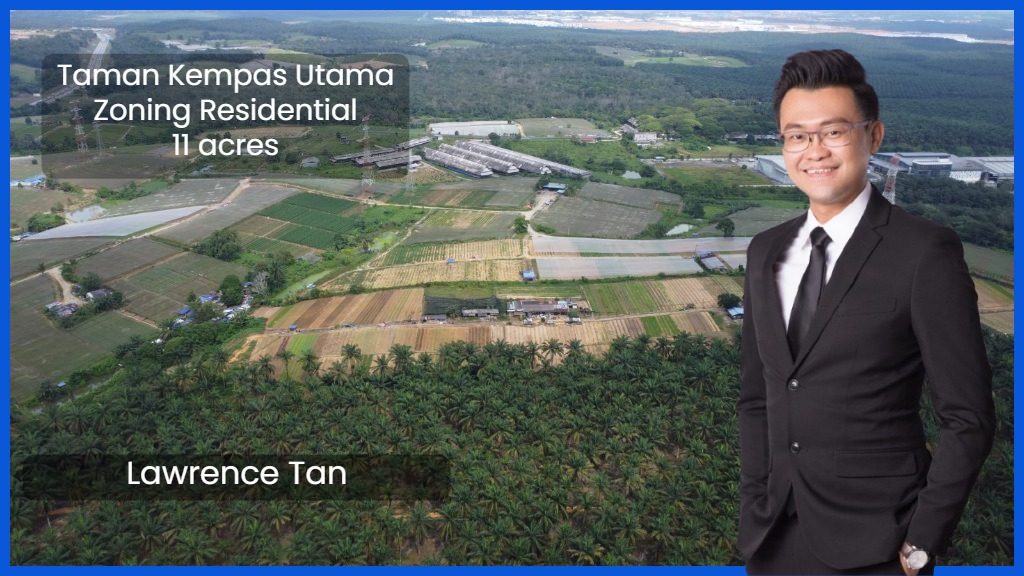 LT024Tebrau · JohorAgriculture Land · 11 acre
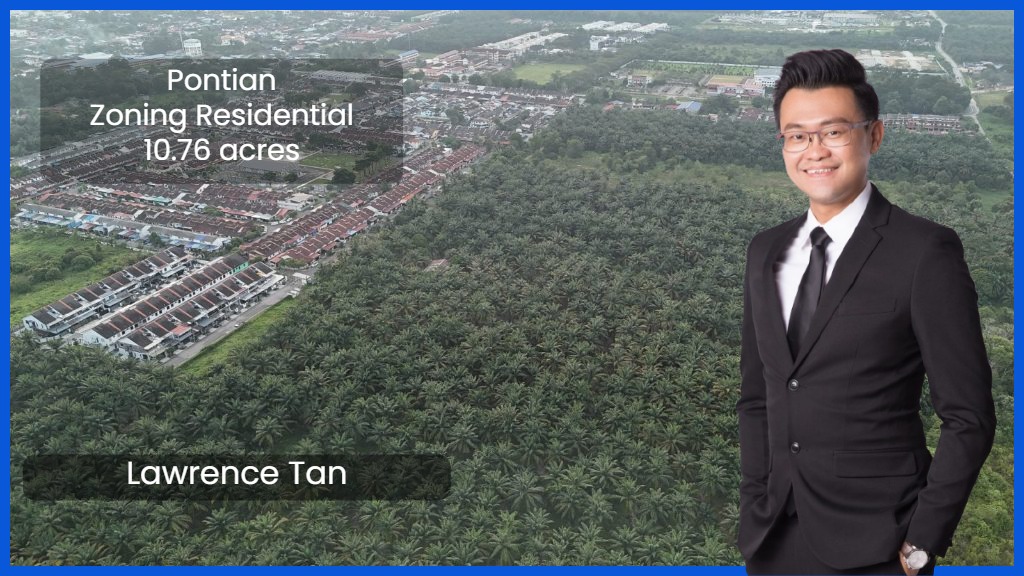 LT112-CPontian · JohorAgriculture Land · 10.762 acre
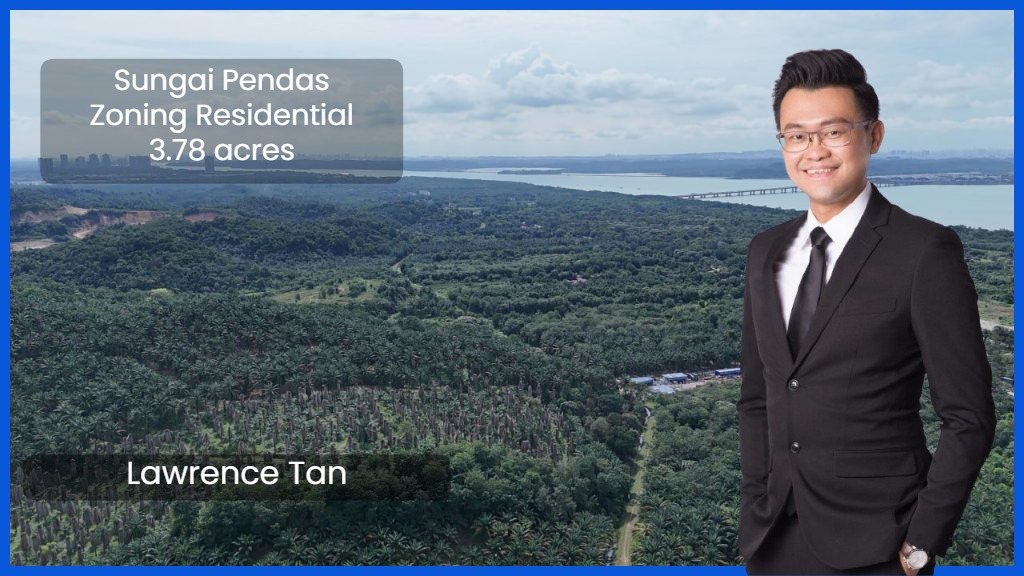 LT165-BGelang Patah · Johor3.78 acre
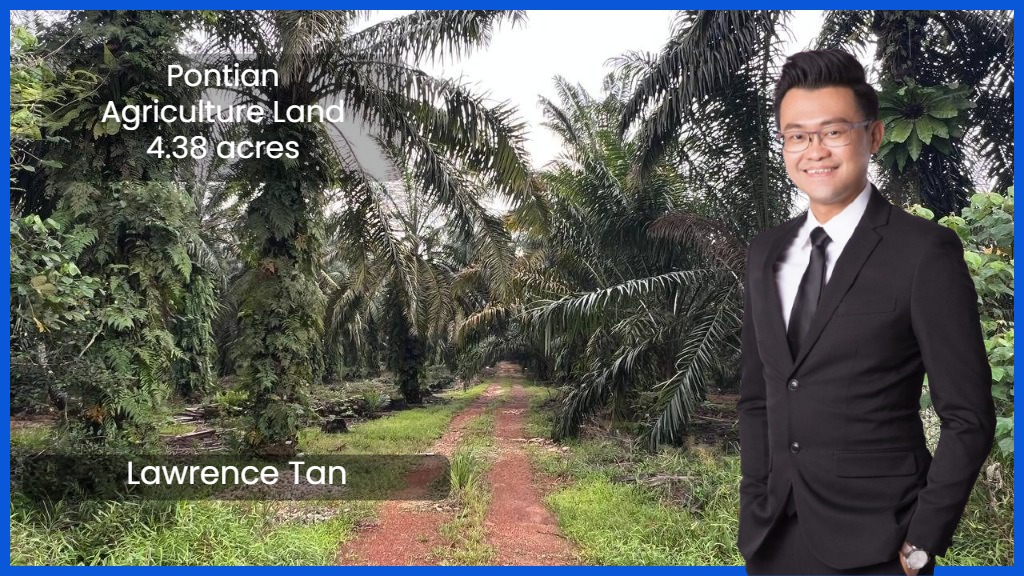 LT110Pontian · JohorAgriculture Land · 4.386 acre
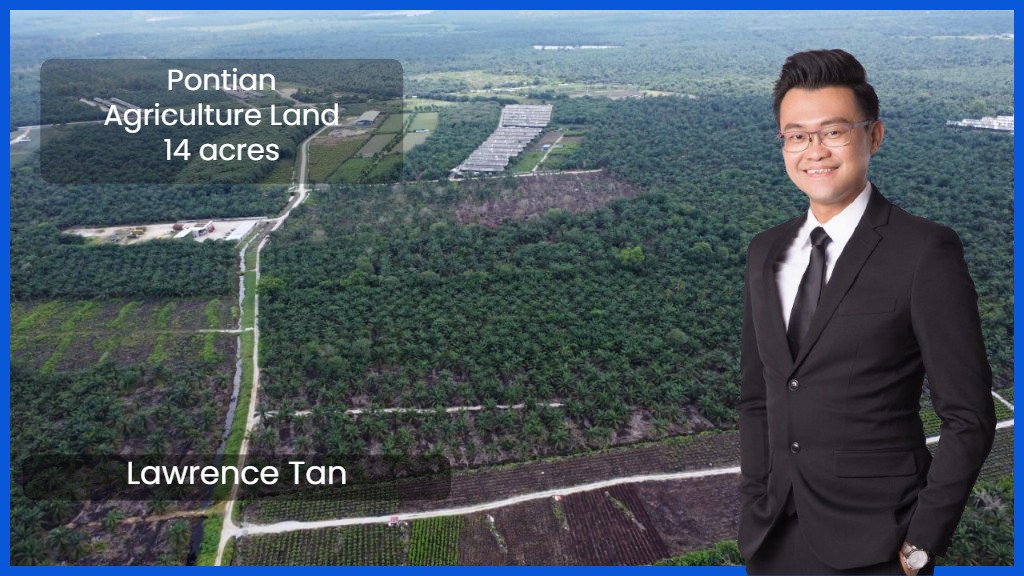 LT172Pontian · JohorAgriculture Land · 14 acre
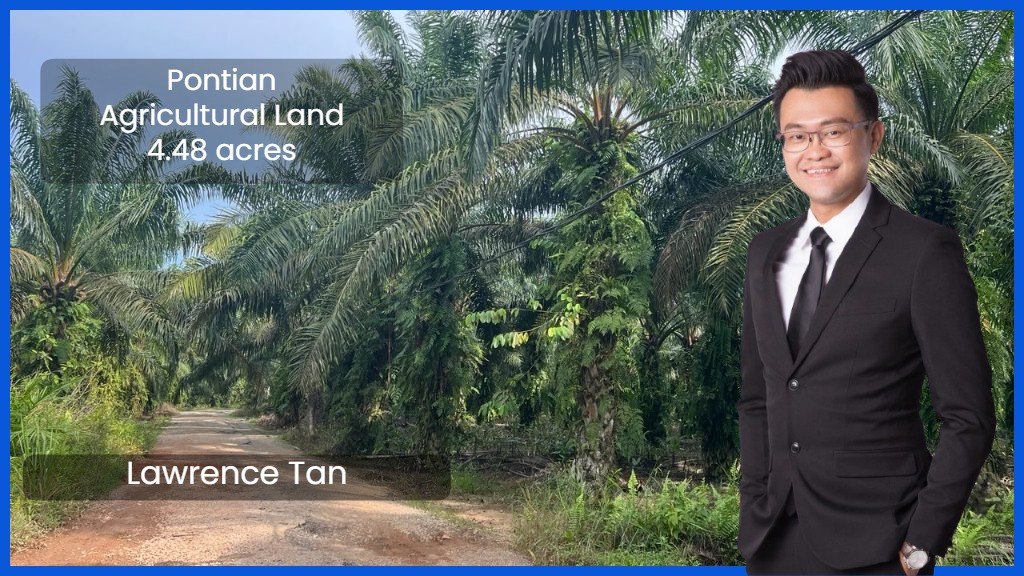 LT071Pontian · JohorAgriculture Land · 4.48 acre
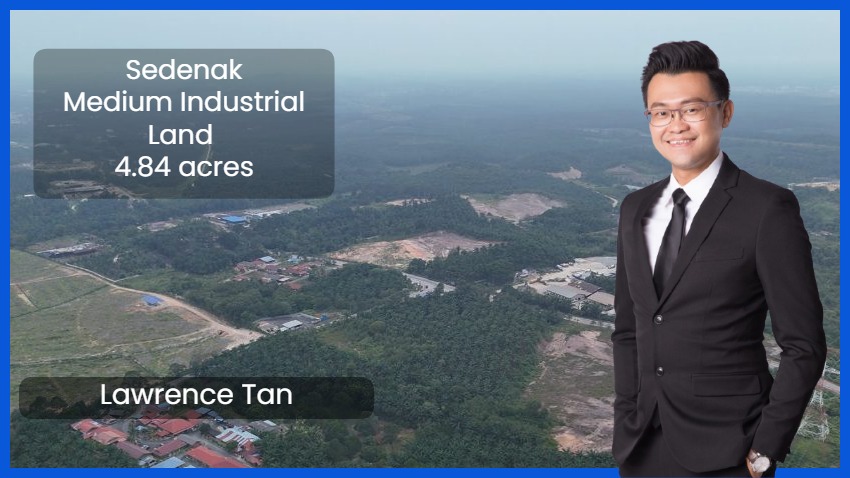 LT138Kulai · Johor Darul Ta'zimIndustrial Land (Medium) · 4.84 acre
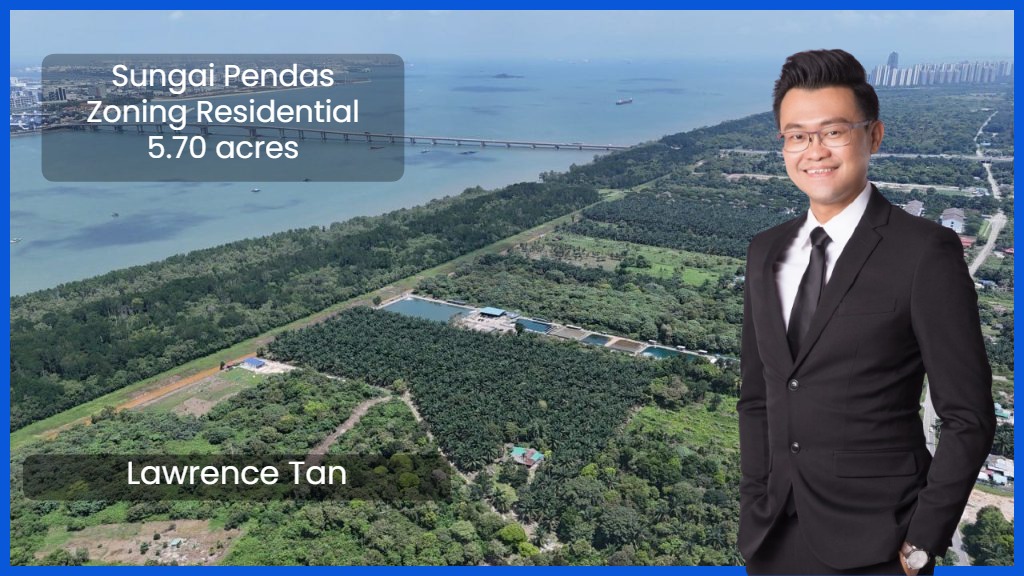 LT162fGelang Patah · Johor5.7 acre
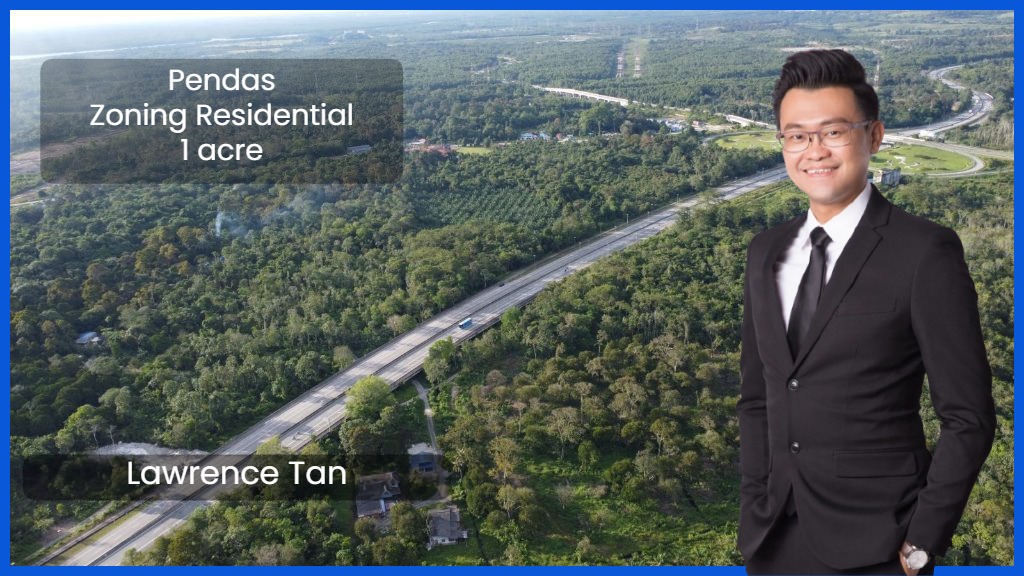 LT059Gelang Patah · JohorAgriculture Land · 1 acre
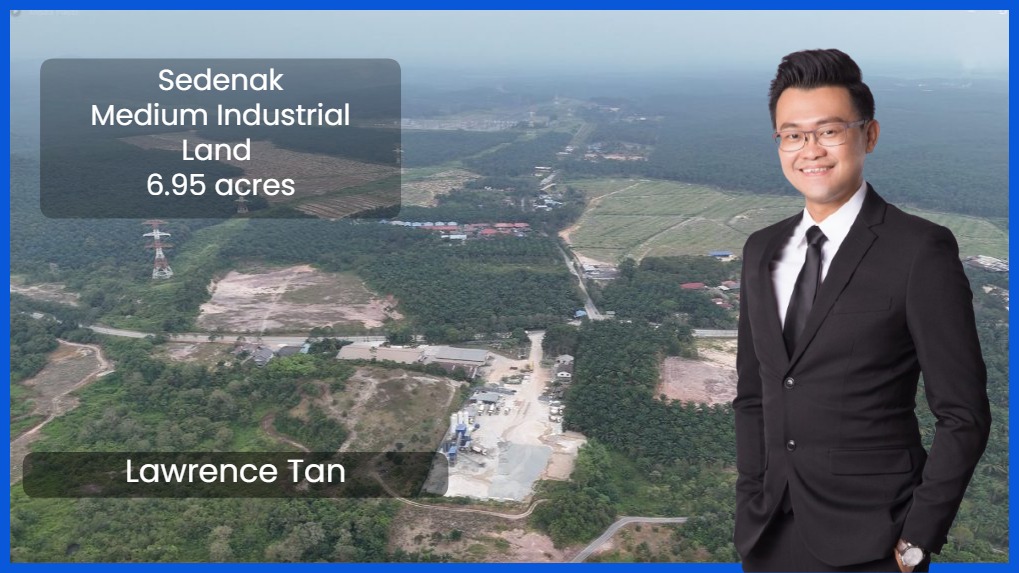 LT119Kulai · JohorIndustrial Land (Medium) · 6.95 acre
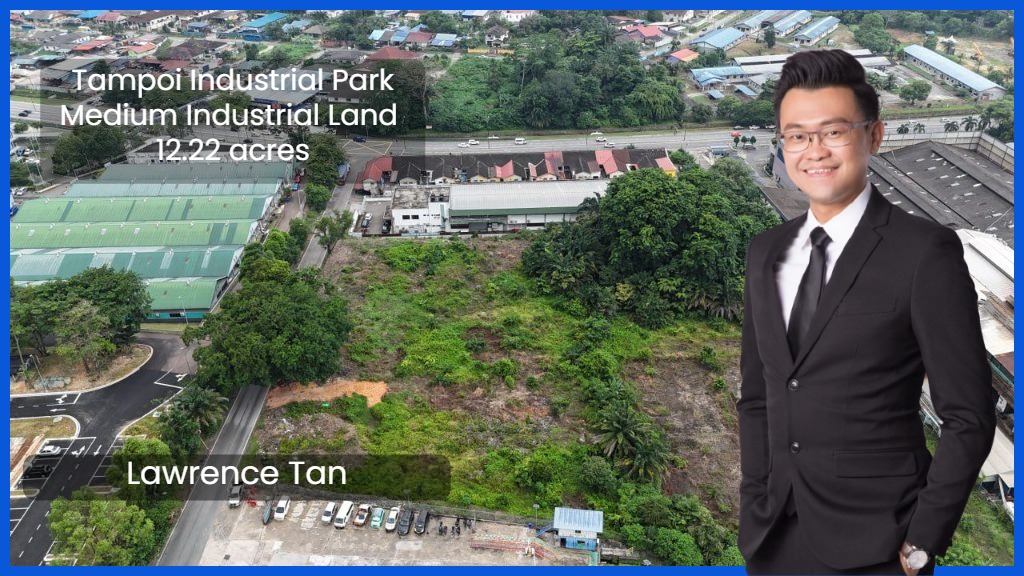 LT173Johor Bahru · JohorIndustrial Land (Medium) · 12.225 acre
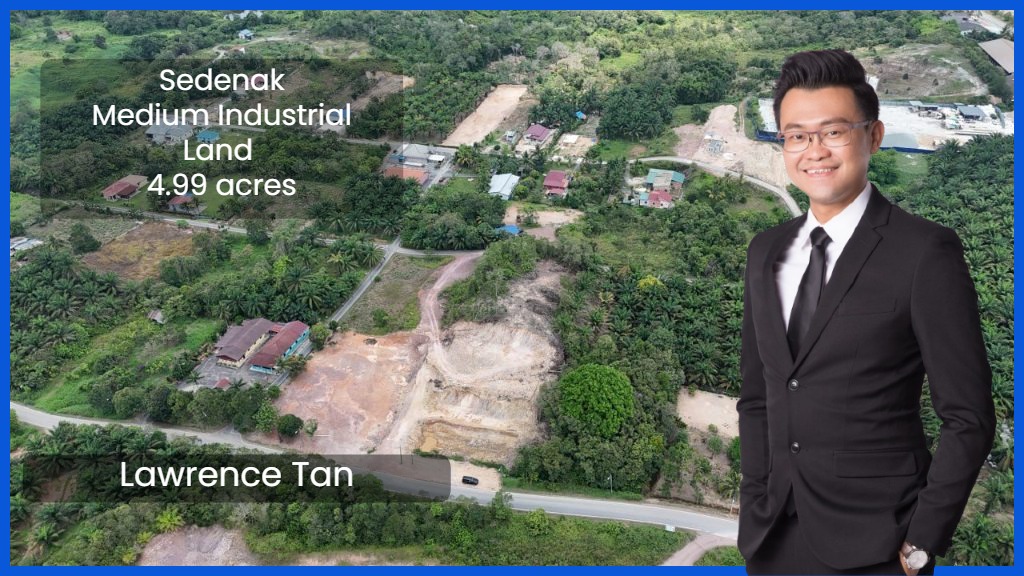 LT139Kulai · Johor Darul Ta'zimIndustrial Land (Medium) · 4.99 acre
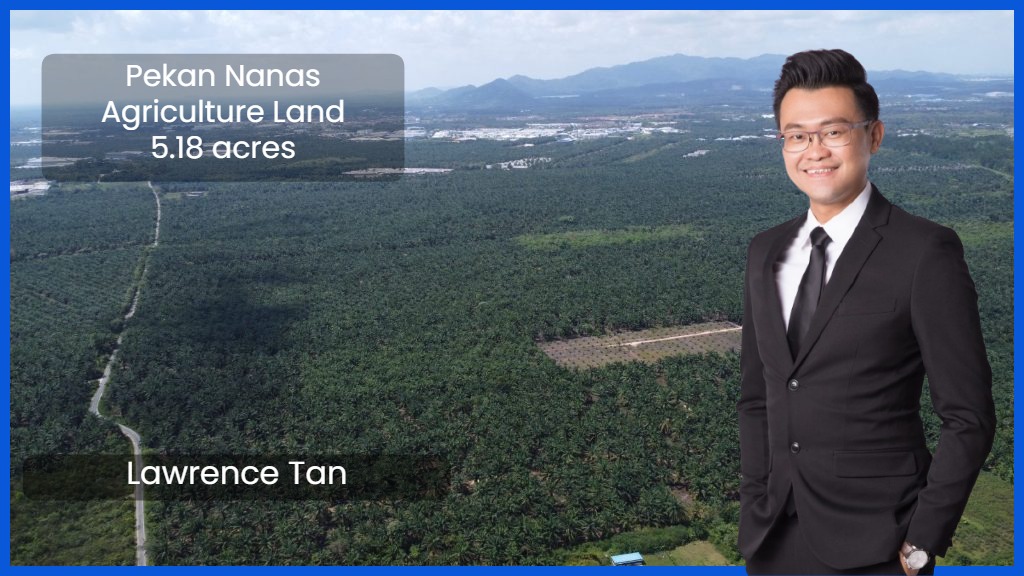 LT122Pontian · JohorAgriculture Land · 5.188 acre
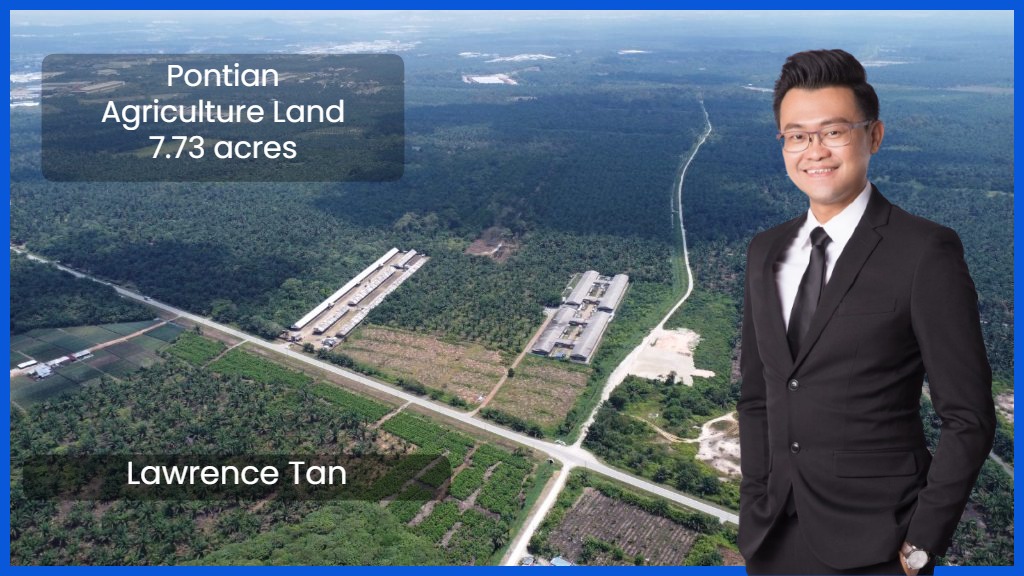 LT044Pontian · Johor Darul Ta'zimAgriculture Land · 7.73 acre
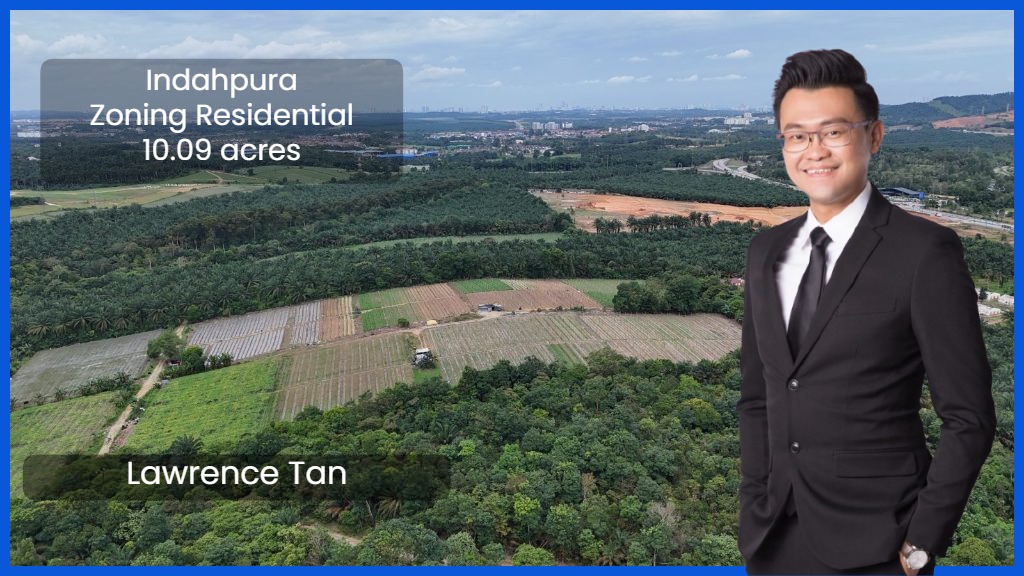 LT089-BKulai · JohorAgriculture Land · 10.094 acre
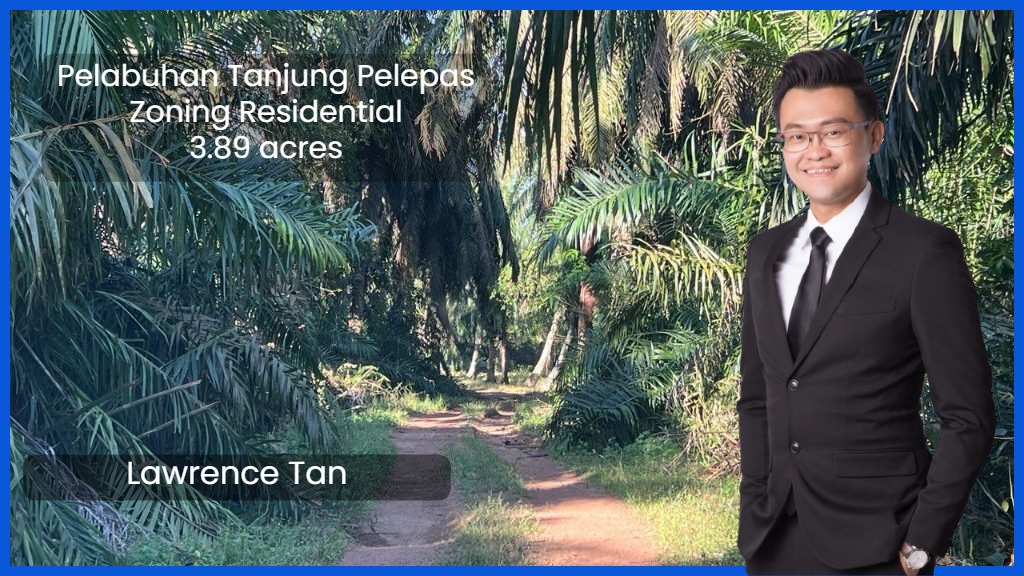 LT057aGelang Patah · Johor Darul Ta'zimAgriculture Land · 3.89 acre
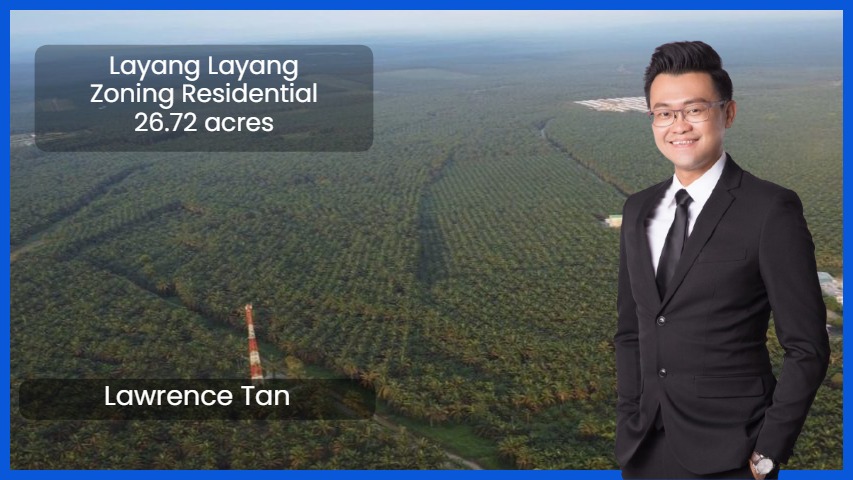 LT064Kulai · Johor Darul Ta'zimAgriculture Land · 26.72 acre
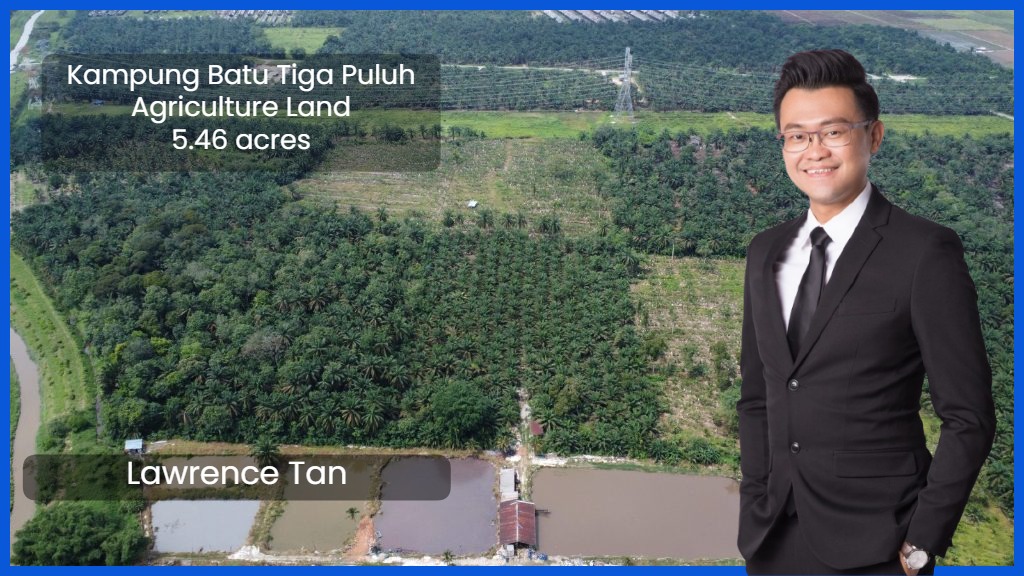 LT031Pontian · Johor Darul Ta'zimAgriculture Land · 5.46 acre
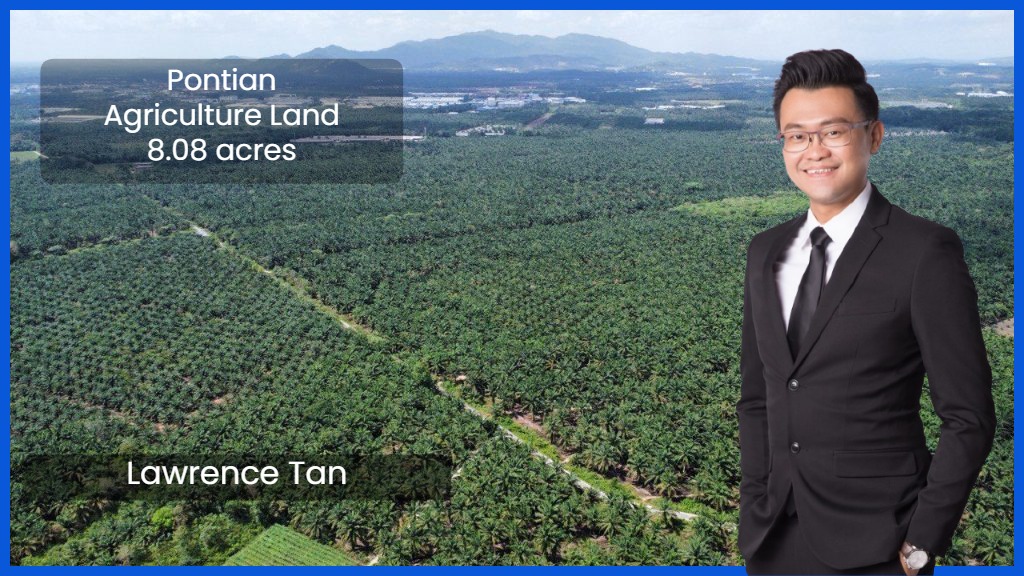 LT056aPontian · JohorAgriculture Land · 8.083 acre
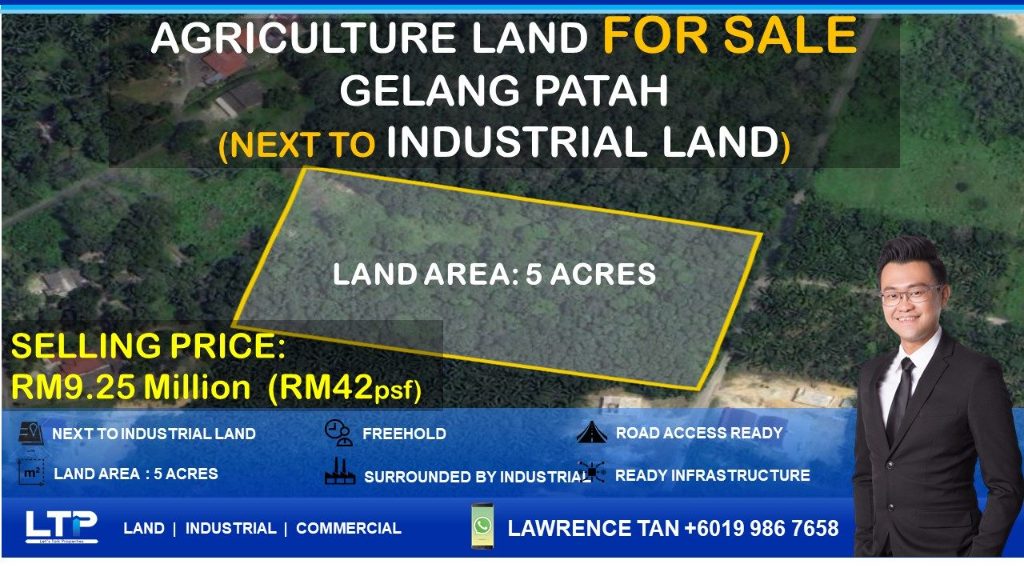 LT005Gelang Patah · Johor Darul Ta'zimAgriculture Land · 5.06 acre
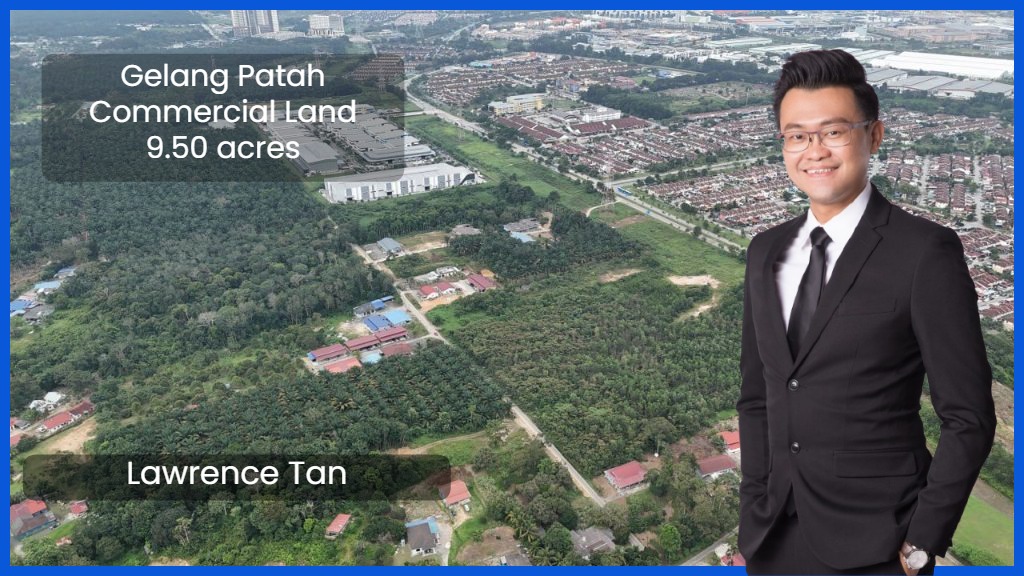 LT162hGelang Patah · JohorCommercial Land · 9.5 acre
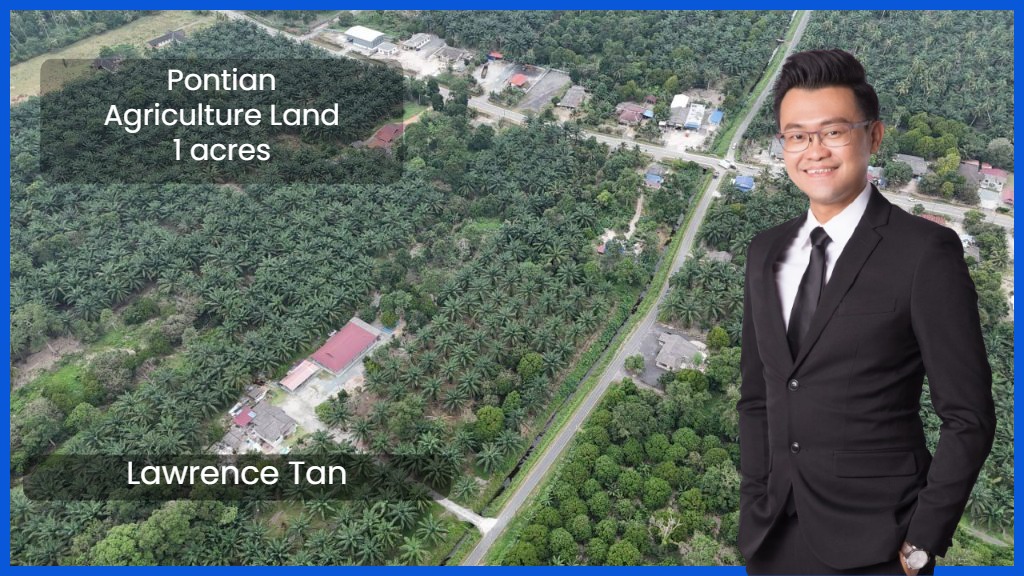 LT162nPontian · JohorAgriculture Land · 1 acre
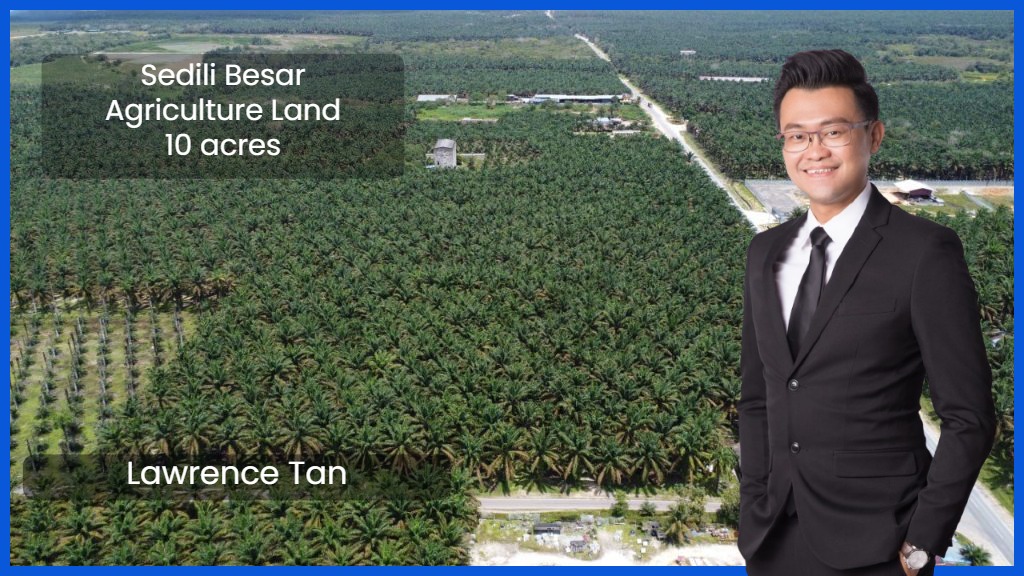 LT016Kota Tinggi · JohorAgriculture Land · 10 acre
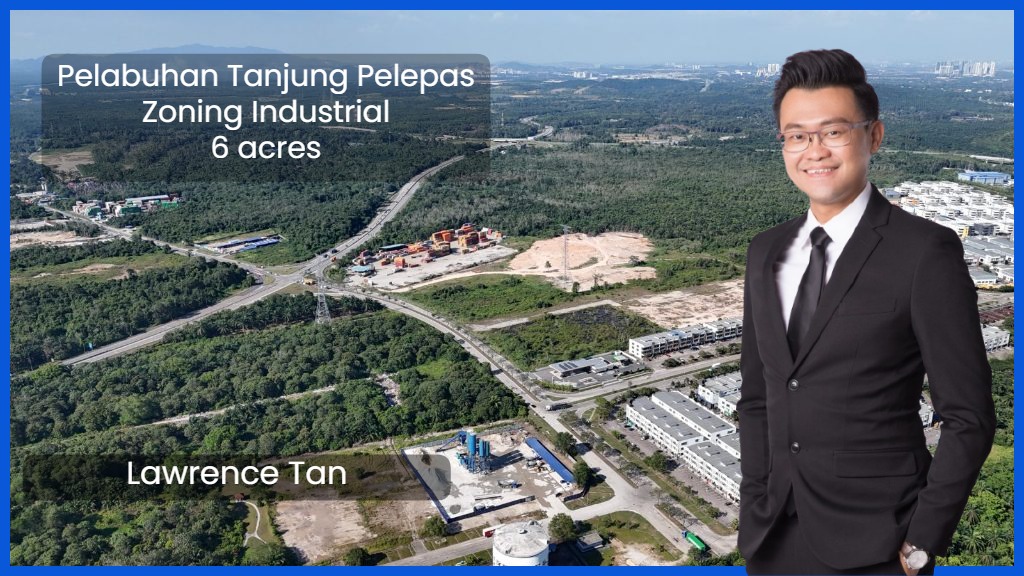 LT128Gelang Patah · Johor Darul Ta'zimAgriculture Land · 6 acre
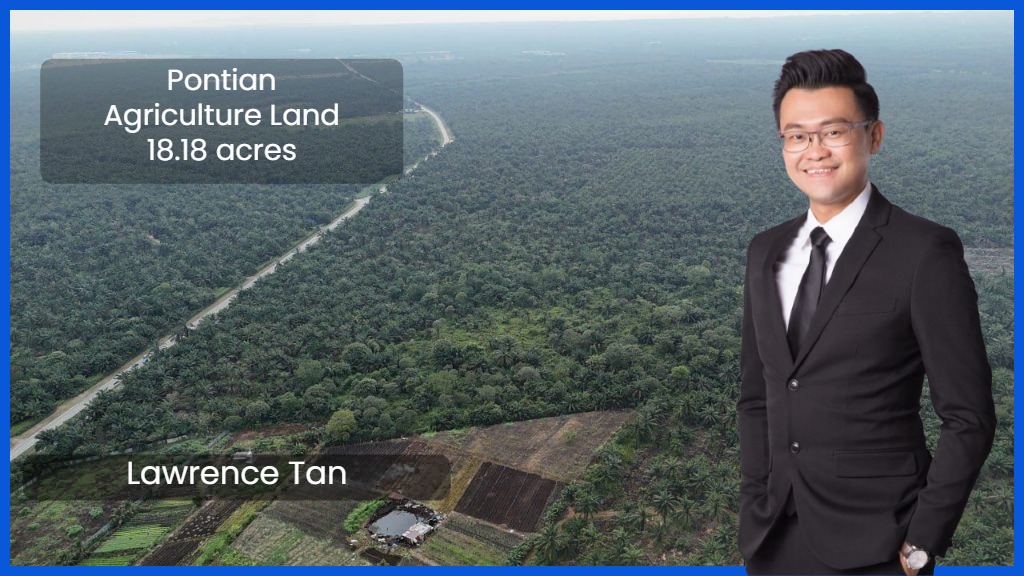 LT152Pontian · JohorAgriculture Land · 18.18 acre
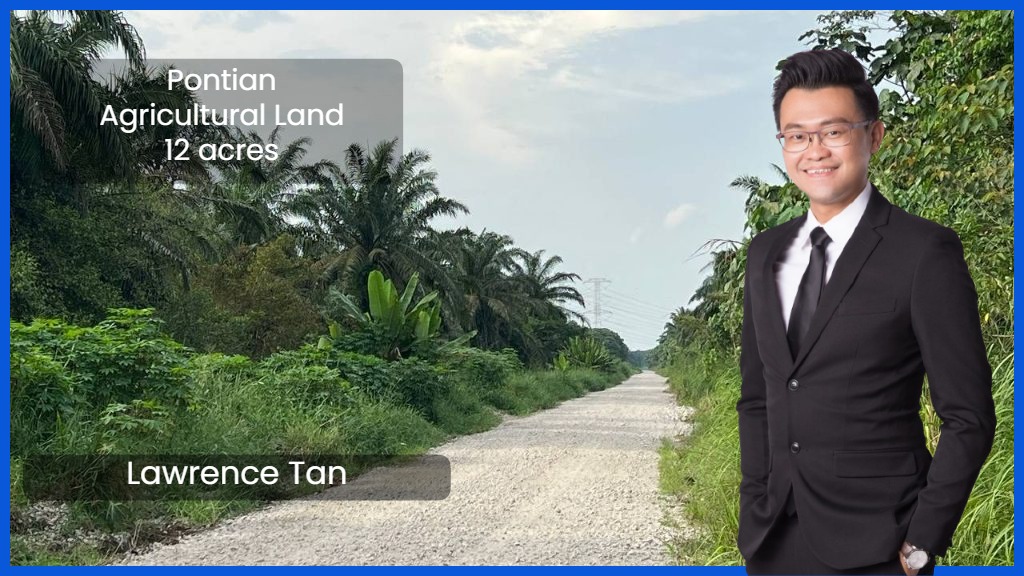 LT133Pontian · JohorAgriculture Land · 12 acre
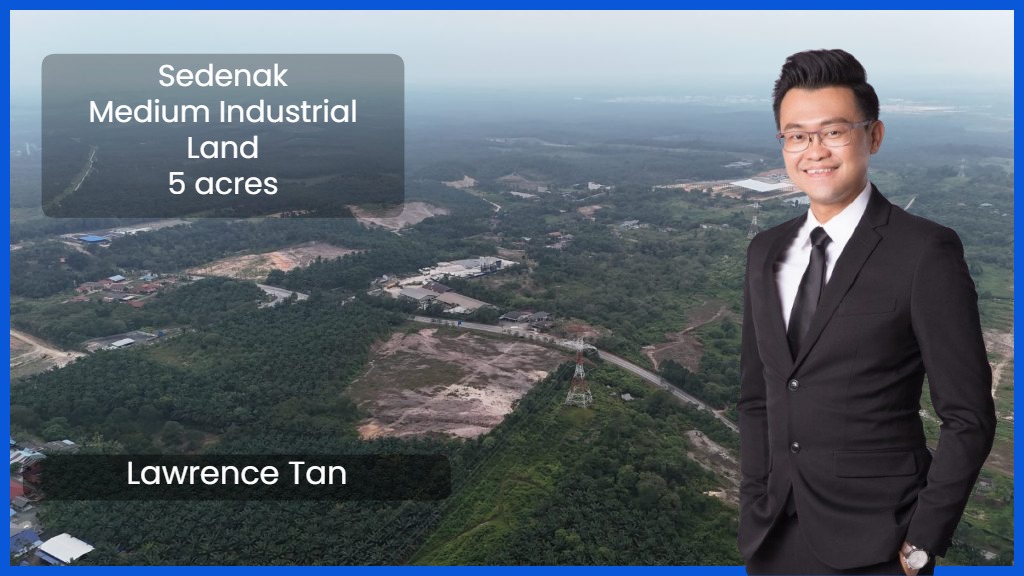 LT114Kulai · JohorIndustrial Land (Medium) · 5 acre
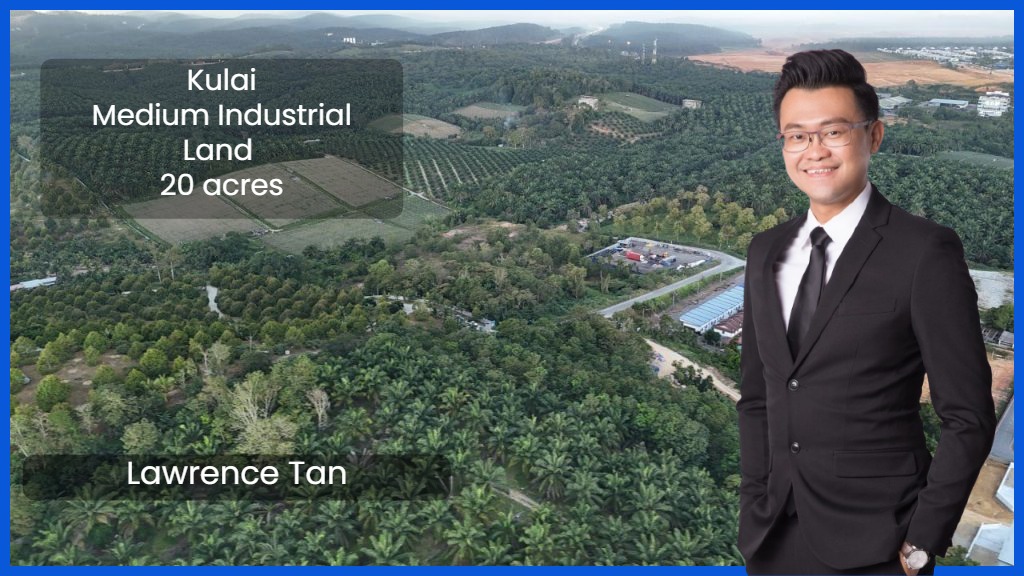 LT094-BKulai · JohorIndustrial Land (Medium) · 20 acre
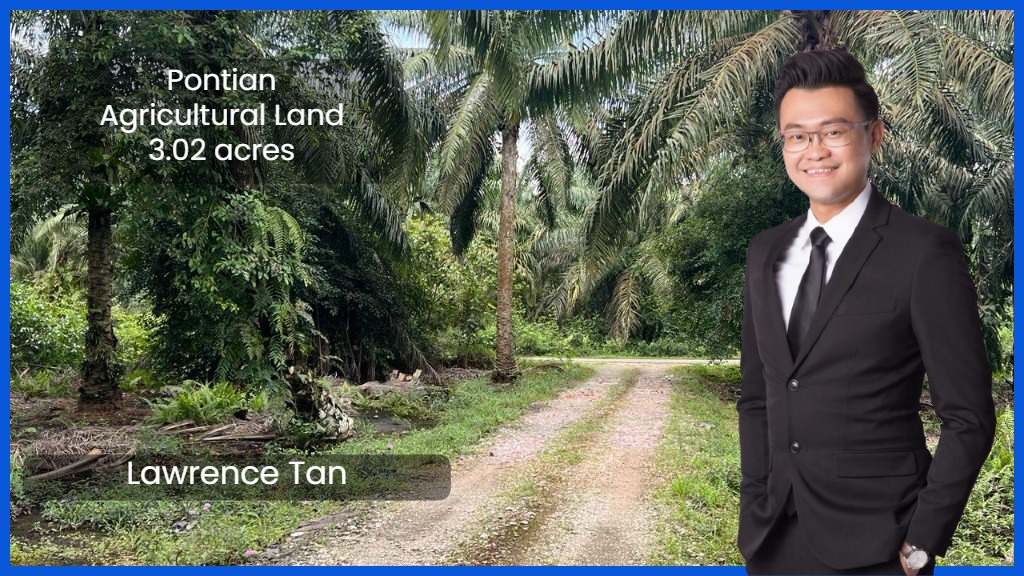 LT075Pontian · JohorAgriculture Land · 3.02 acre
 LT004Gelang Patah · JohorIndustrial Land (Light) · 5.1 acre
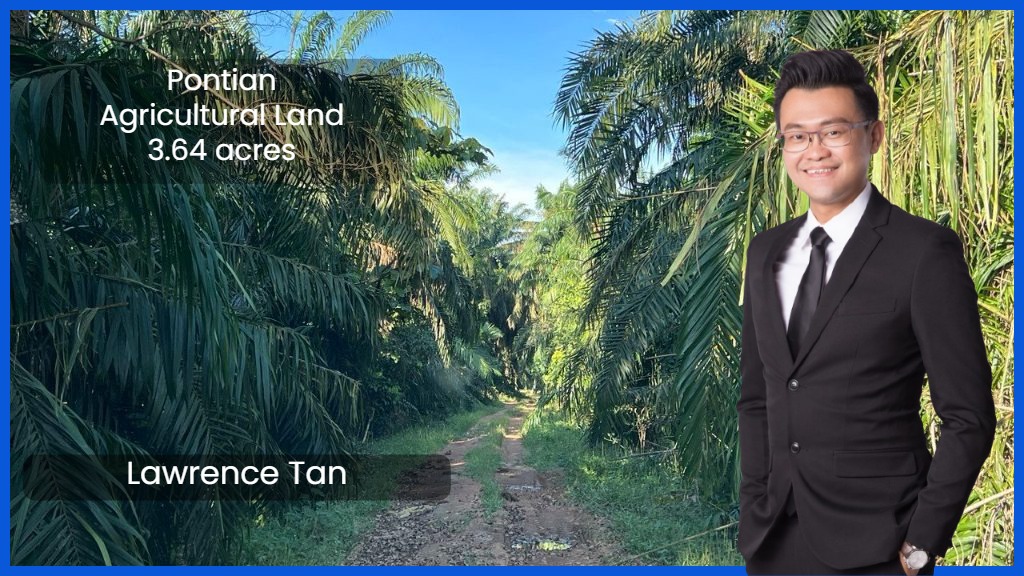 LT078Pontian · JohorAgriculture Land · 3.64 acre
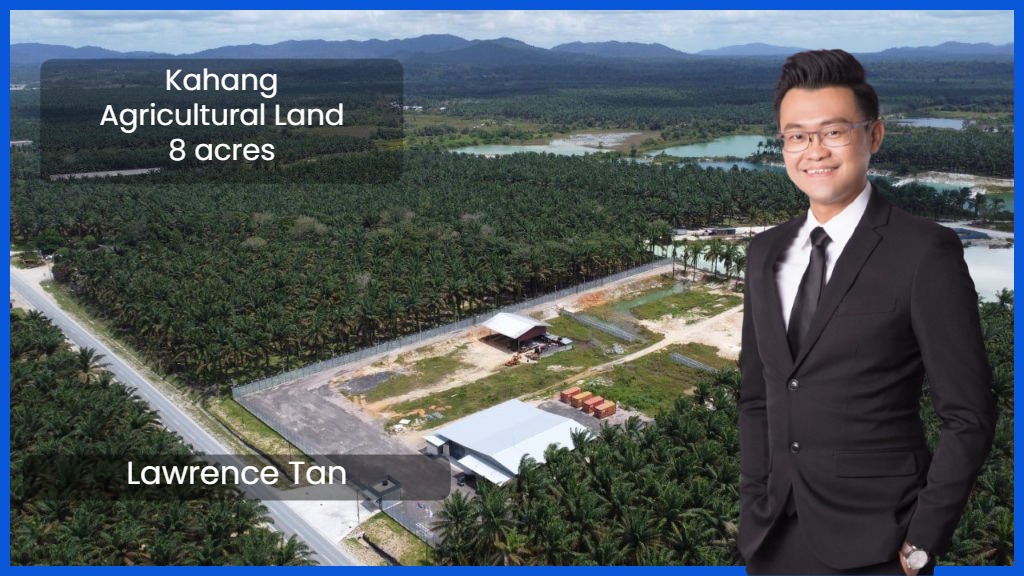 LT050Kluang · JohorAgriculture Land · 8 acre
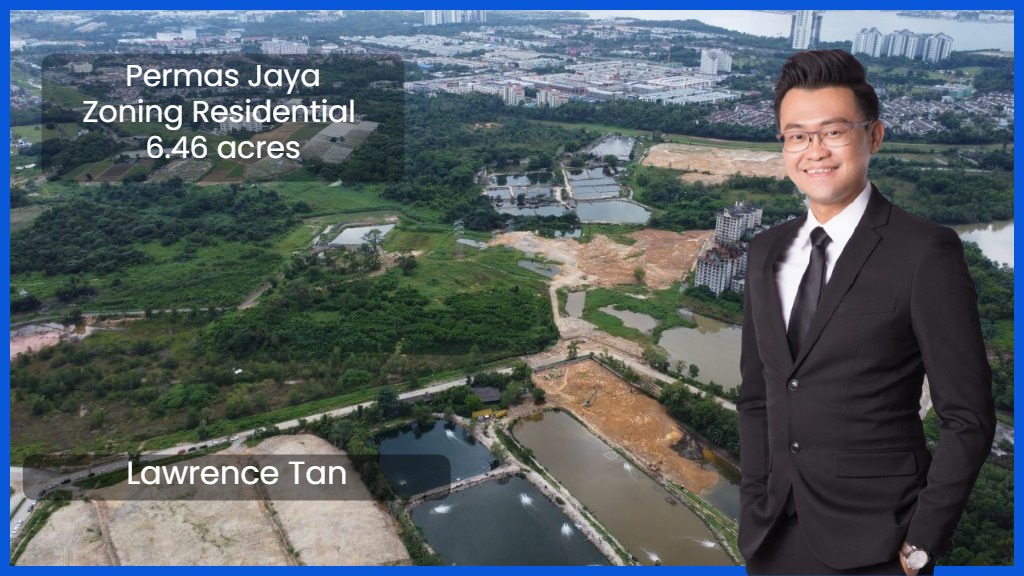 LT019Johor Bahru · JohorAgriculture Land · 6.46 acre
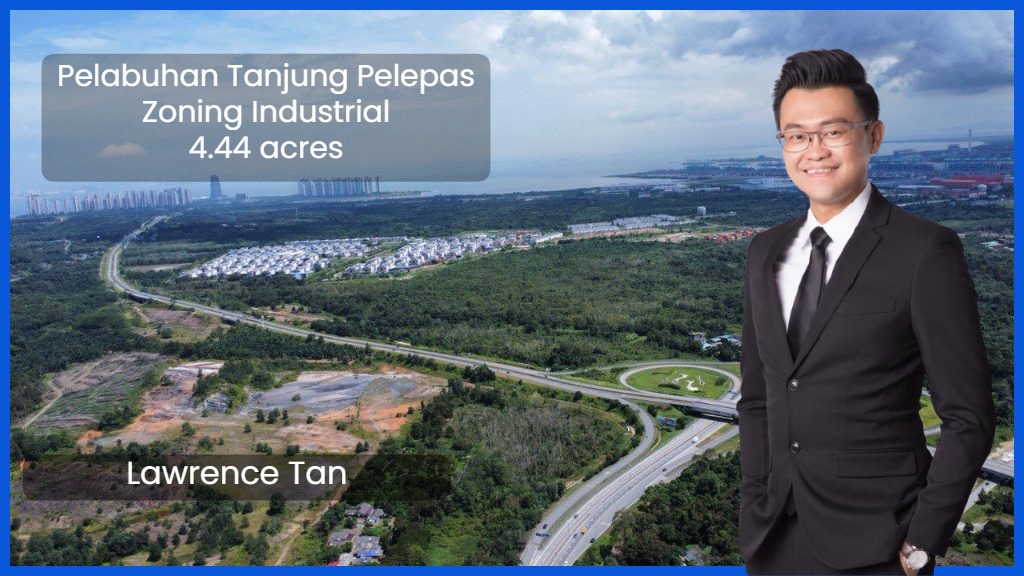 LT058Gelang Patah · Johor Darul Ta'zimAgriculture Land · 4.44 acre
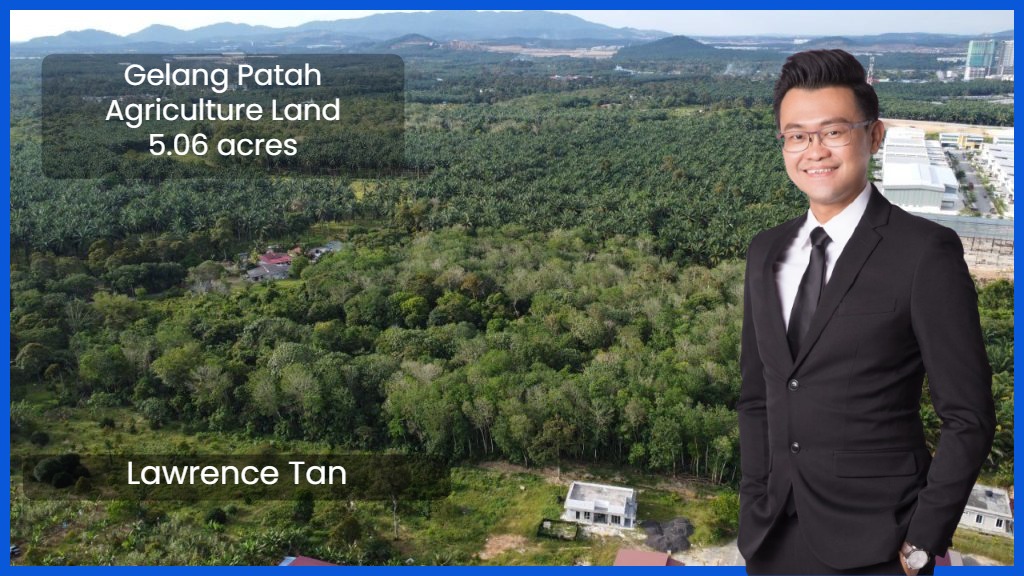 LT005Gelang Patah · JohorAgriculture Land · 5.06 acre
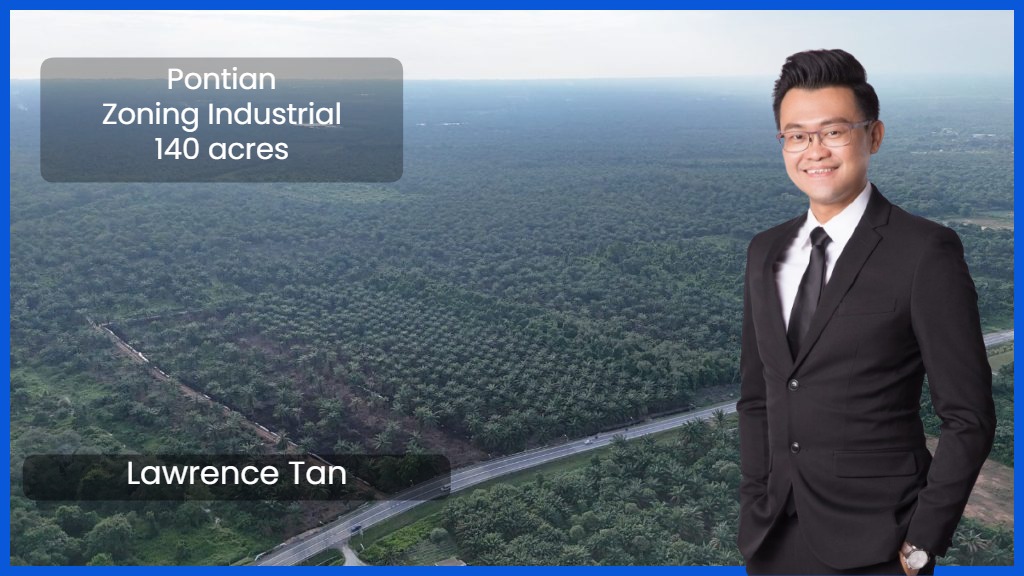 LT085Pontian · JohorAgriculture Land · 140 acre
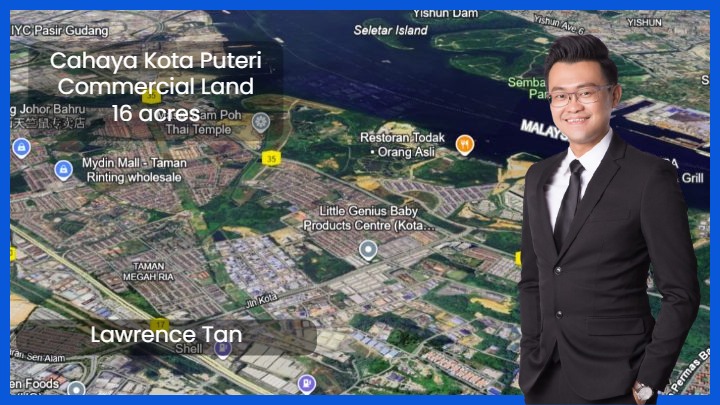 LT109-BJohor Bahru · JohorCommercial Land · 16 acre
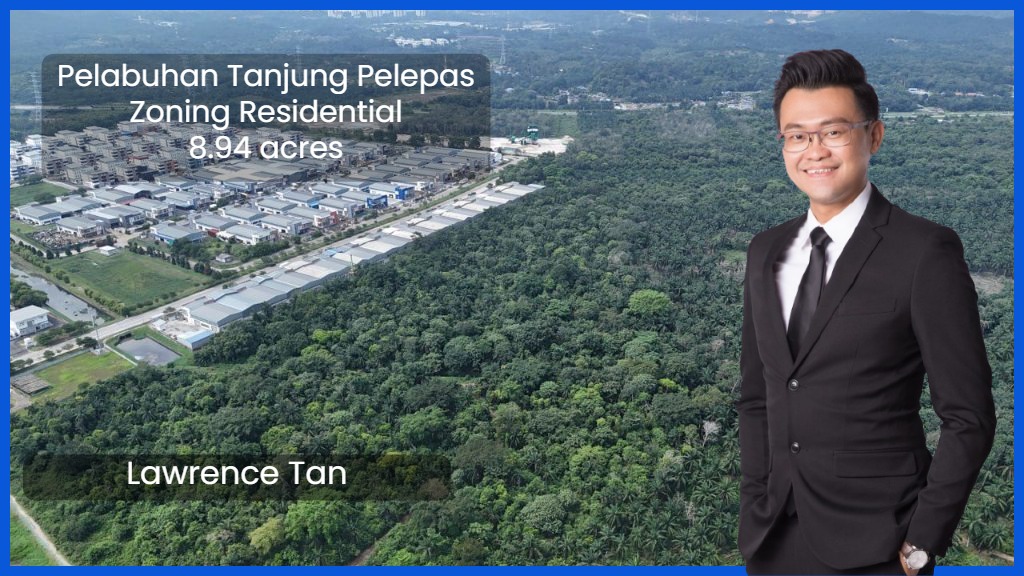 LT162dGelang Patah · Johor8.94 acre
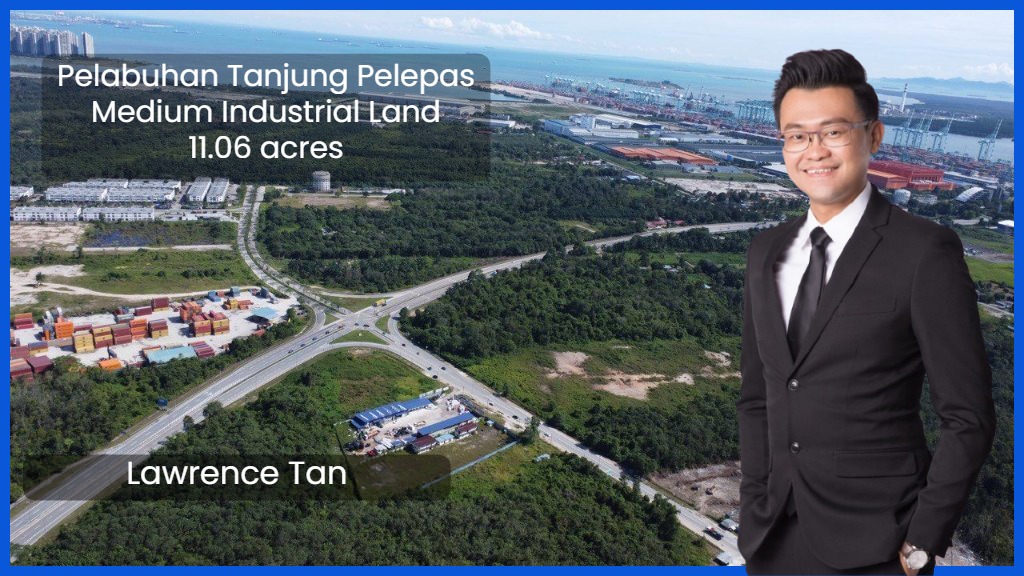 LT061Gelang Patah · Johor Darul Ta'zimIndustrial Land (Medium) · 11.06 acre
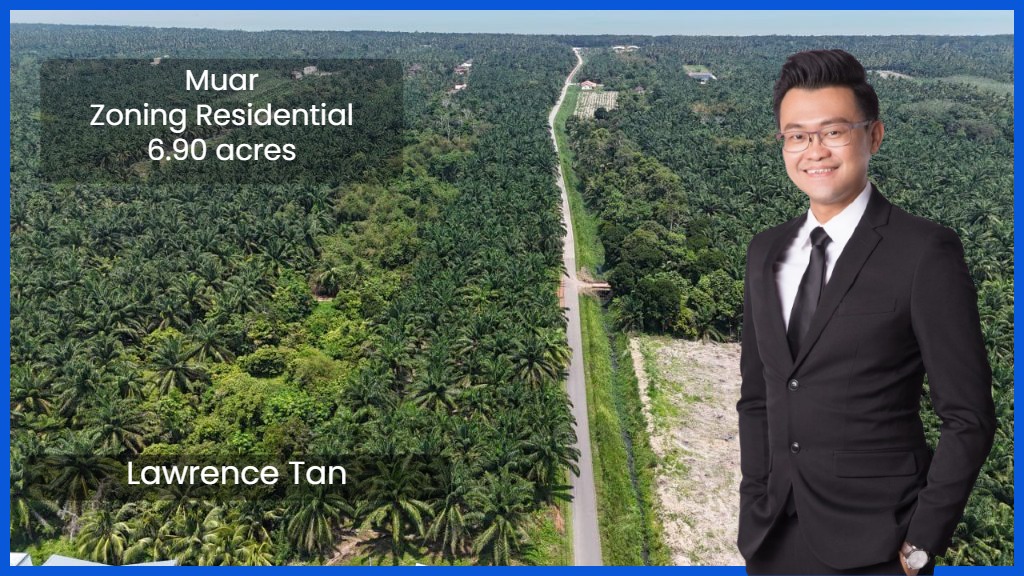 LT095Muar · JohorAgriculture Land · 6.9 acre
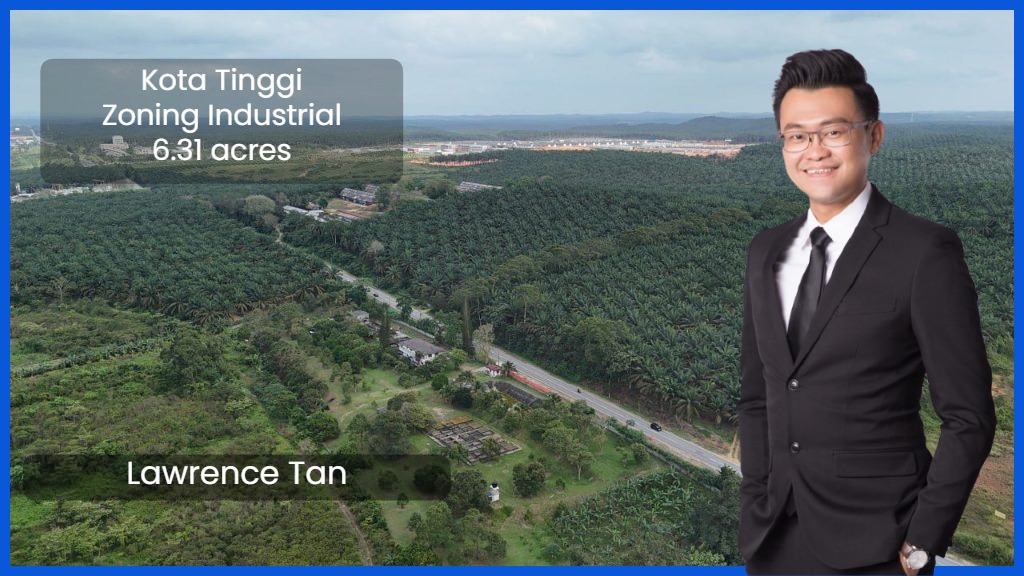 LT091Kota Tinggi · JohorAgriculture Land · 6.314 acre
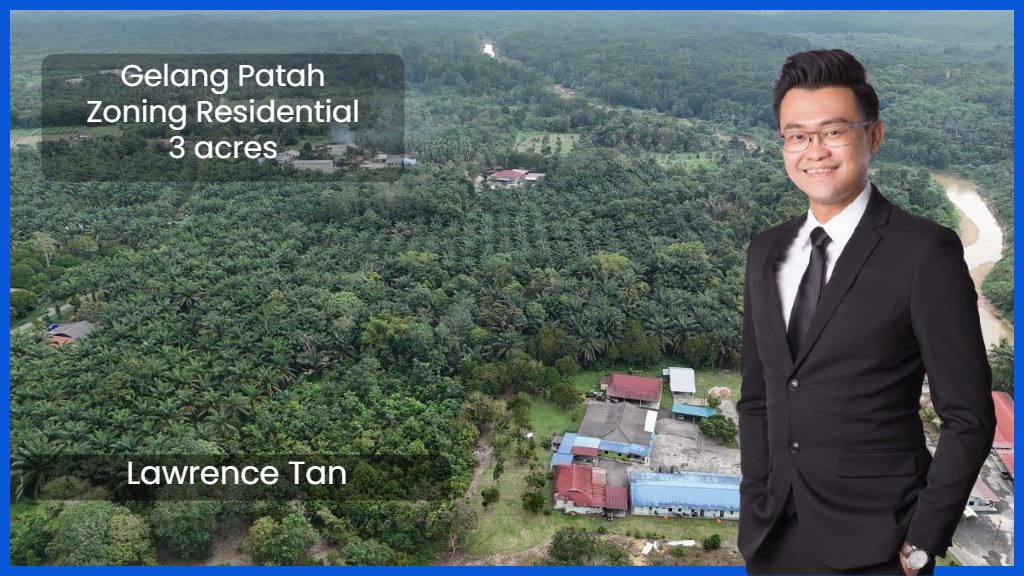 LT162iGelang Patah · Johor3 acre
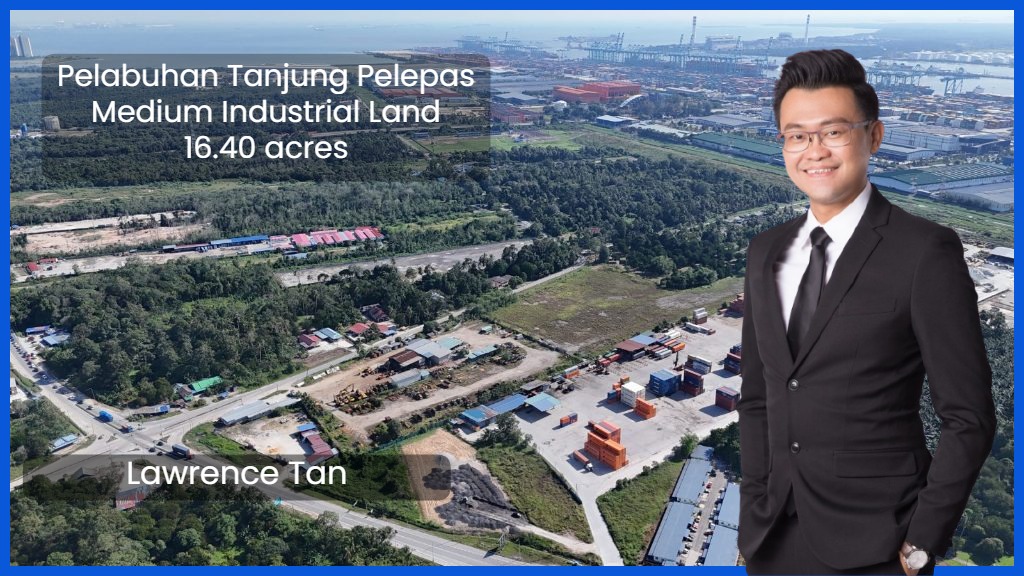 LT127Gelang Patah · Johor Darul Ta'zimIndustrial Land (Medium) · 16.4 acre
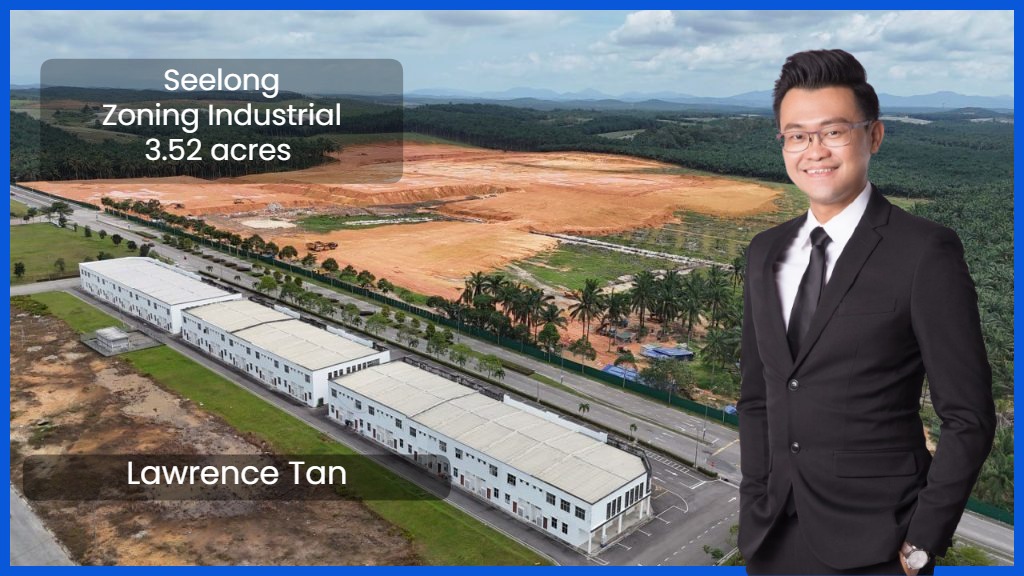 LT096Kulai · JohorAgriculture Land · 3.525 acre
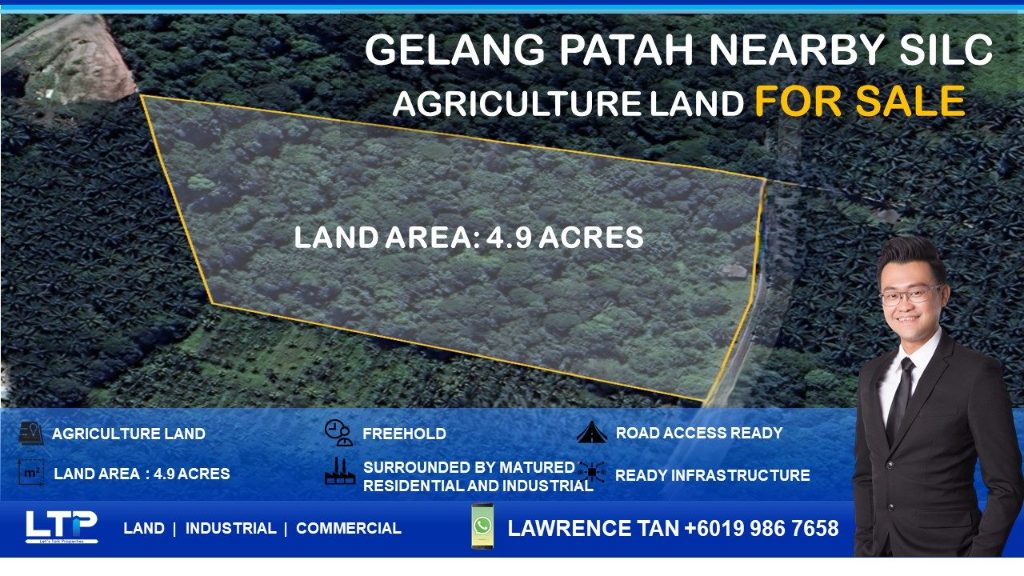 LT006Gelang Patah · JohorAgriculture Land · 4.91 acre
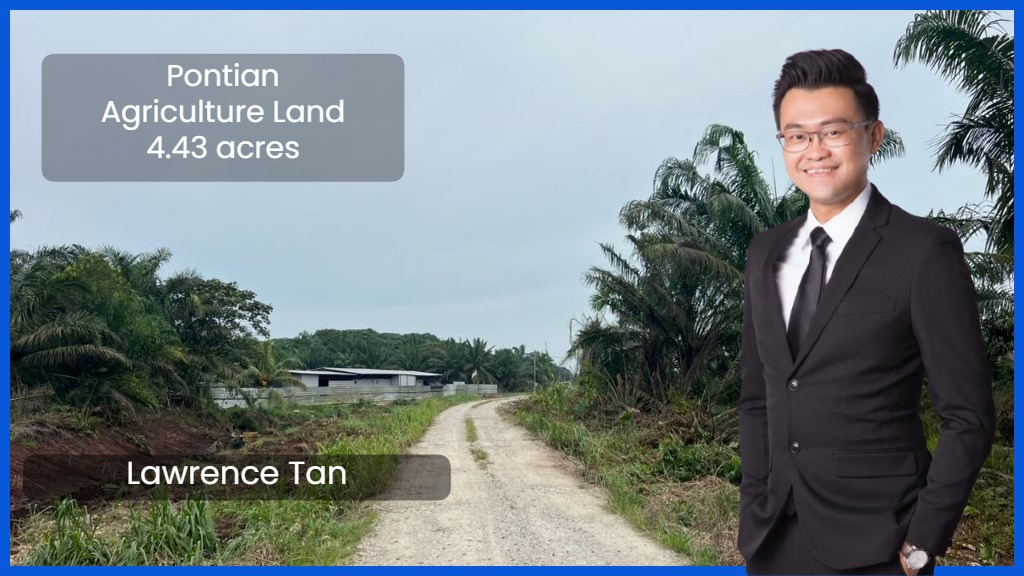 LT043Pontian · JohorAgriculture Land · 4.43 acre
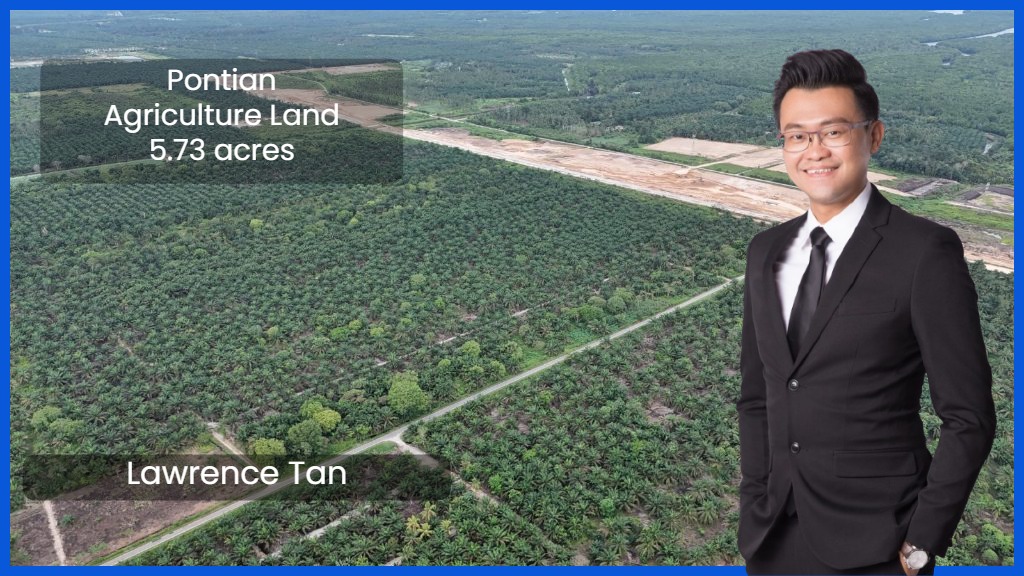 LT103Pontian · Johor Darul Ta'zimAgriculture Land · 5.738 acre