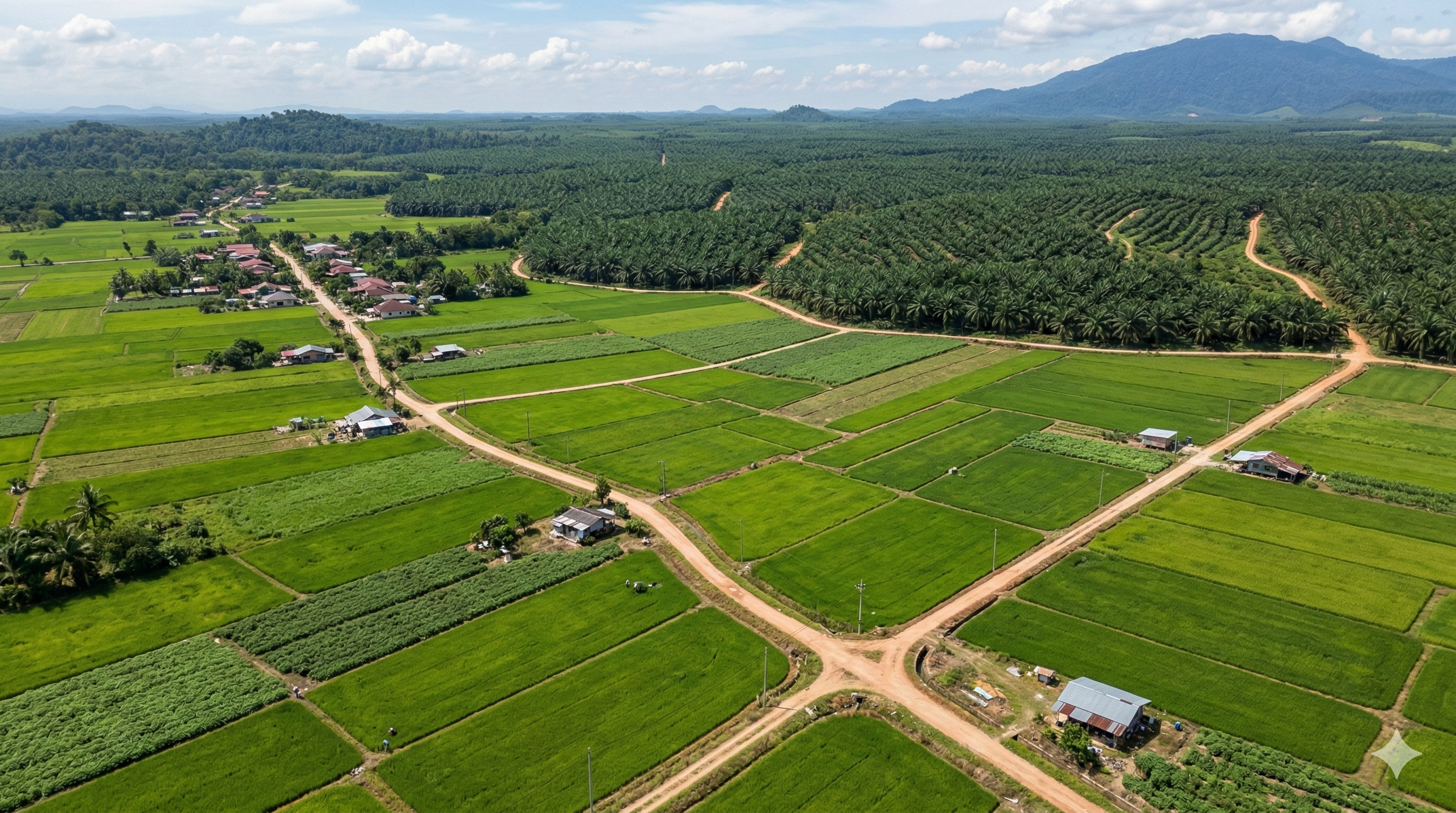
Why agricultural land is often a more flexible entry point
Agricultural land is not always the most loudly promoted asset type, but for many buyers it can be a more practical and flexible starting point. The reason is not only a lower entry threshold. It also gives buyers a way to enter an area, establish land position early, and preserve options while future planning, surrounding change, and personal strategy become clearer. For buyers who value flexibility, agricultural land is often more worth studying than expected.
Why agricultural land often becomes the first step for many buyers
Many buyers entering the land market are not immediately suited to industrial land or development land. Those categories usually require stronger budgets, clearer strategy, and better timing judgment. When the decision is wrong, the cost is often more obvious. What makes agricultural land different is that it often offers a lower-threshold way to enter. A buyer can position into a location they believe in, secure land presence early, and then observe how infrastructure, population movement, industrial spillover, and market recognition evolve over the coming years. For buyers who are still building their land decision framework, this tends to be a more practical entry point. That does not mean agricultural land is merely a cheaper substitute. Its real value is that it does not force every major decision to be made upfront. It gives the buyer more room and more time to observe how the area develops before deciding whether the strategy should remain long-term holding, future upgrading potential, or simply maintaining an early land position.
The value of agricultural land is not just that it costs less
If agricultural land is viewed only as a backup option for buyers with smaller budgets, its real strategic role is often underestimated. Its value lies more in flexibility than in price alone. First, it often allows buyers to access larger land parcels. For those who care about scale, area direction, and long-term positioning, that matters. Second, it allows the buyer to avoid overcommitting to a single use too early. Instead, the land can be assessed within the broader context of how the area may evolve. Third, in certain locations, agricultural land can provide access to positions that have not yet been fully competed away. That said, agricultural land should never be bought simply because it is cheaper. Lawrence often points out that the key question is not only what the land is today, but what is happening around it. For this category, the judgment is usually centered more on future possibility than on immediate maturity.
What kind of buyer is better suited to start with agricultural land
Agricultural land often suits three types of buyers. The first is the buyer who wants to stay disciplined on budget but still wants early entry into a location. The second is the buyer who is not in a rush to develop or operate immediately, and instead cares more about long-term positioning. The third is the buyer who wants to preserve optionality until the area direction becomes clearer. These buyers are usually not chasing immediate outcomes. They care more about whether they are standing in a location that may gain stronger recognition over time. For them, agricultural land is not simply slower. It is more flexible. It is not about being passive. It is about entering a framework where observation, adjustment, and better-timed decisions are still possible. Lawrence’s view is usually straightforward. If a buyer does not need to build immediately, does not need to launch development immediately, and is not trying to chase short-term hype, then agricultural land can be a more rational starting point. The key is not to treat it as the final answer, but as a position that allows clearer decisions later.
Agriculture Land
Agricultural land can be a strategic start, not a compromise
If you want early entry into an area without locking yourself into one strategy too soon, Lawrence can help you assess which agricultural land opportunities offer better positioning, scale, and flexibility.
Related land
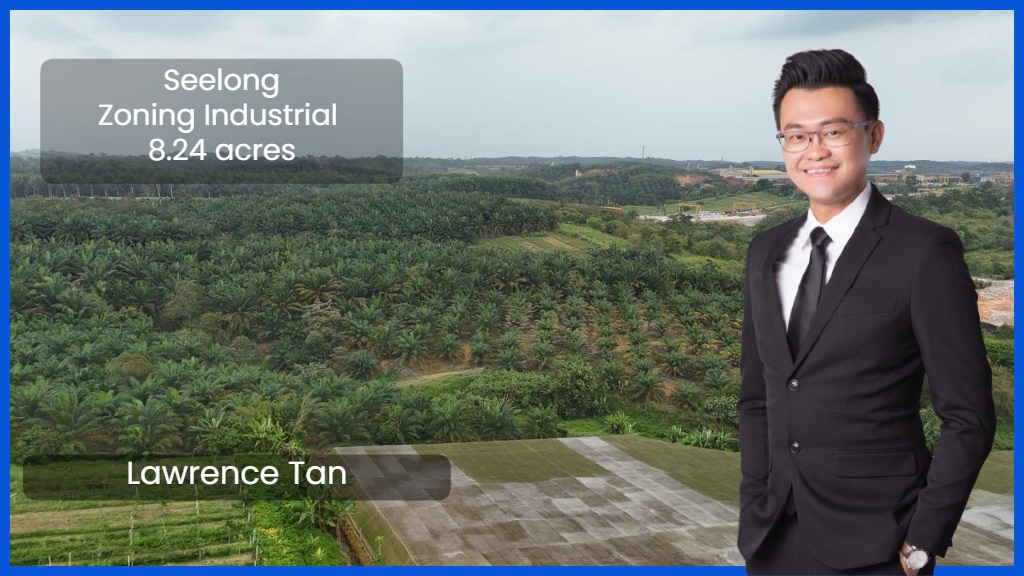 LT142Kulai · JohorAgriculture Land · 8.24 acre
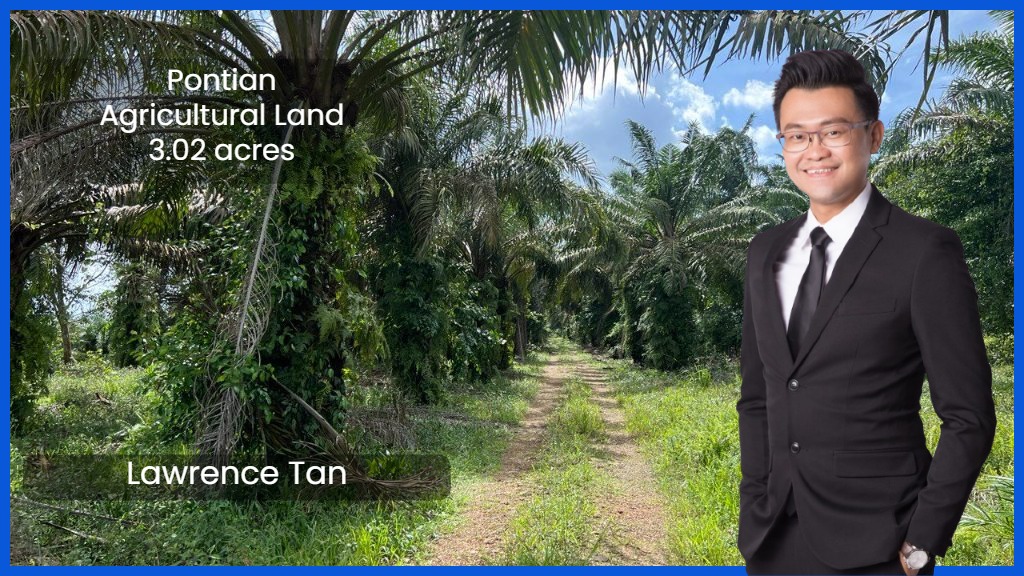 LT076Pontian · JohorAgriculture Land · 3.02 acre
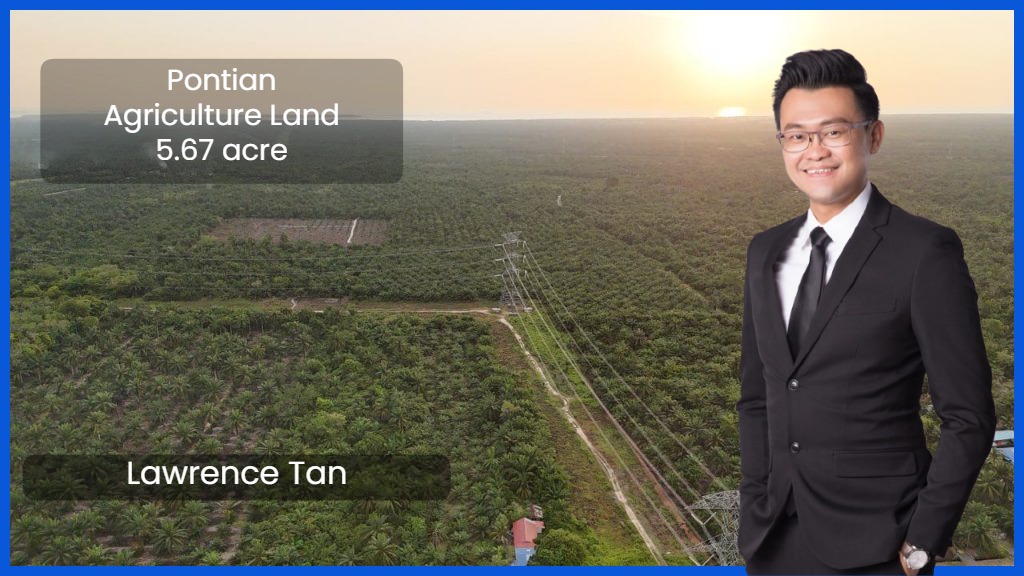 LT151Pontian · JohorAgriculture Land · 5.67 acre
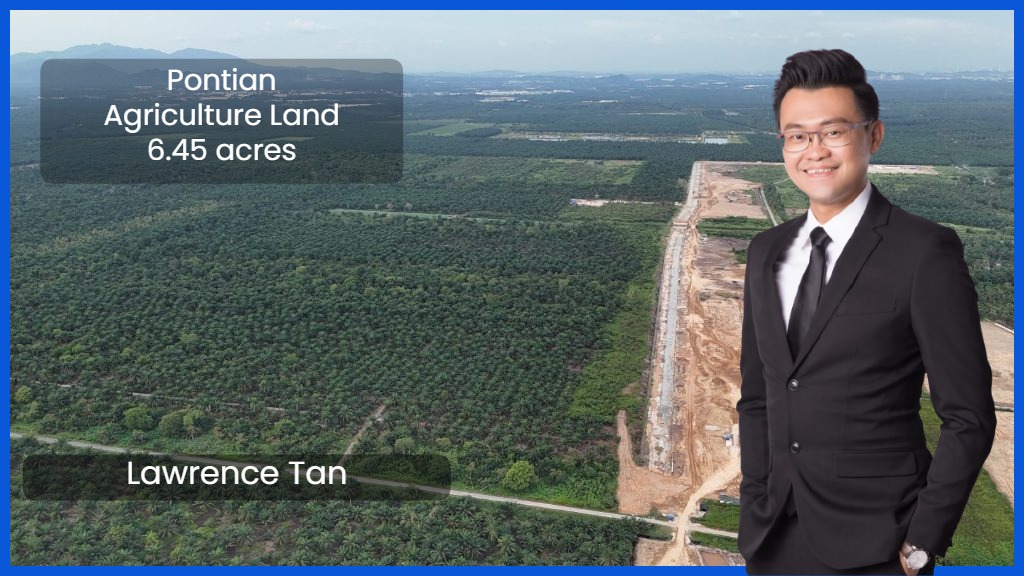 LT102Pontian · Johor Darul Ta'zimAgriculture Land · 6.456 acre
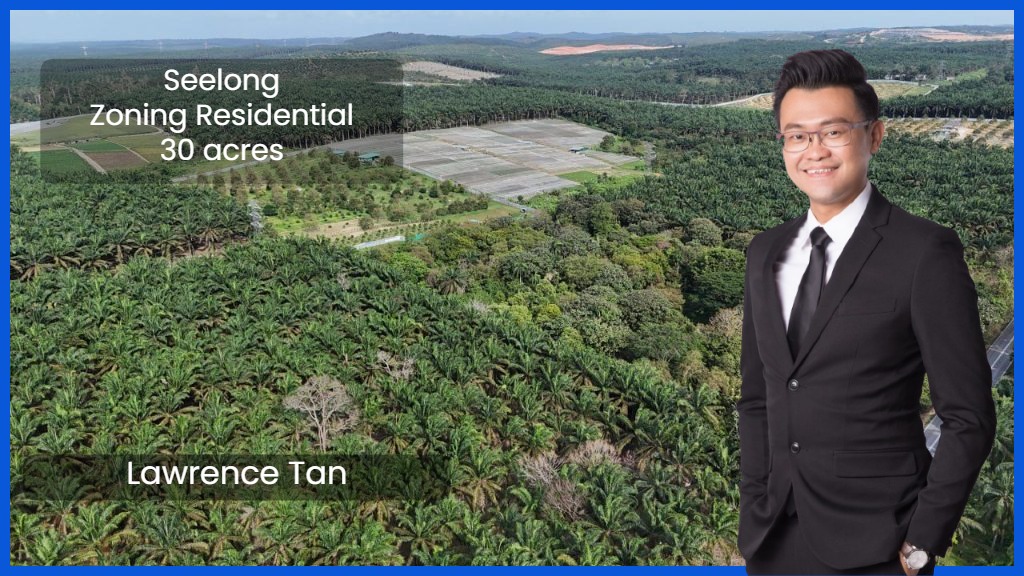 LT145 & 146Kulai · JohorAgriculture Land · 30 acre
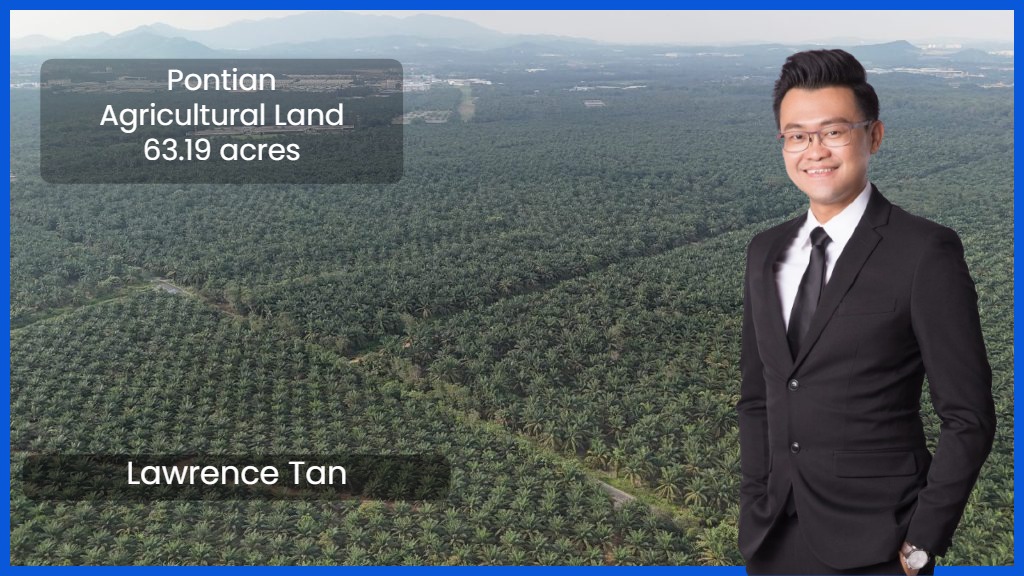 LT080Pontian · JohorAgriculture Land · 63.19 acre
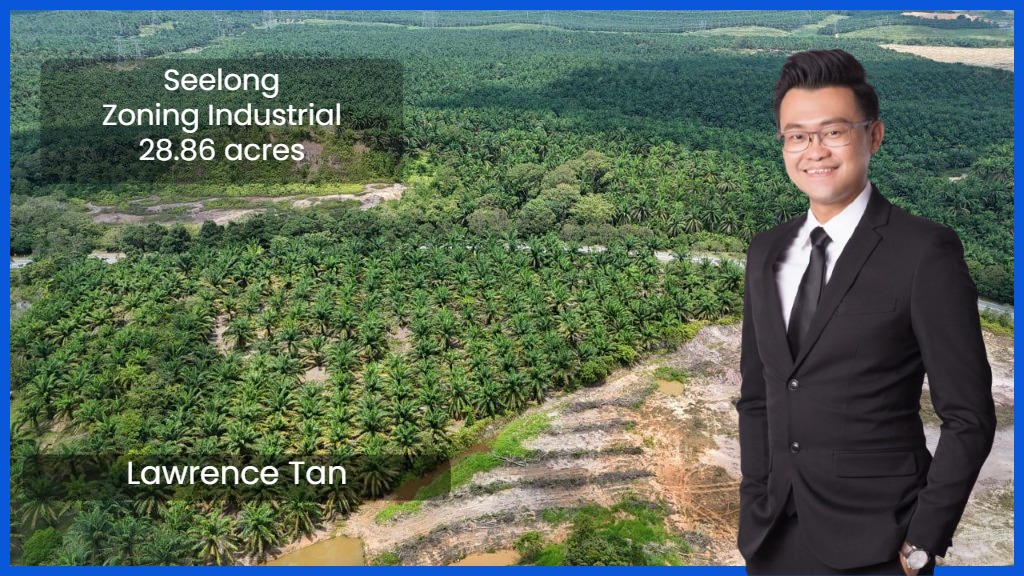 LT036Kulai · JohorAgriculture Land · 28.86 acre
 LT143Kulai · JohorAgriculture Land · 7.54 acre
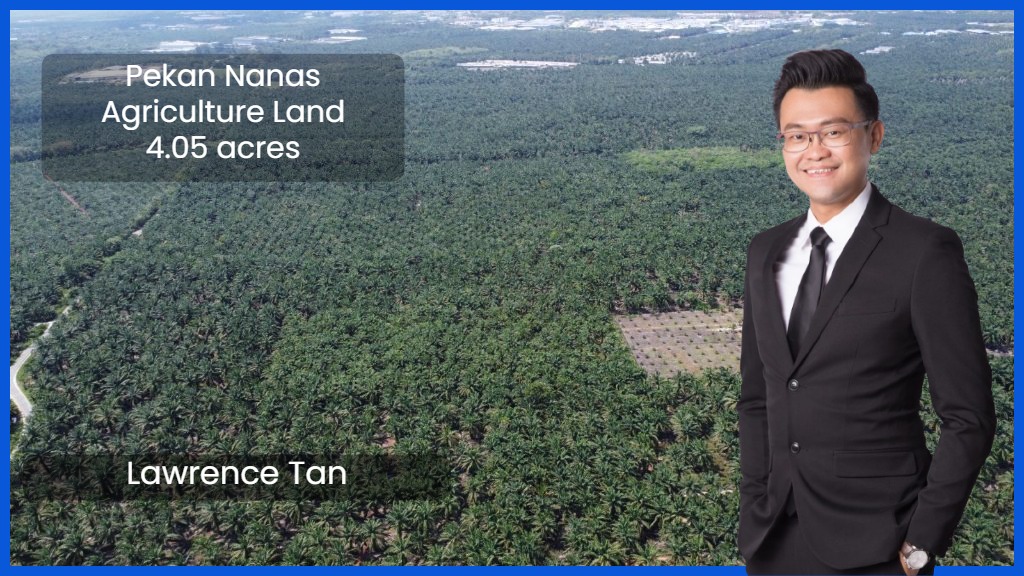 LT097Pontian · JohorAgriculture Land · 4.05 acre
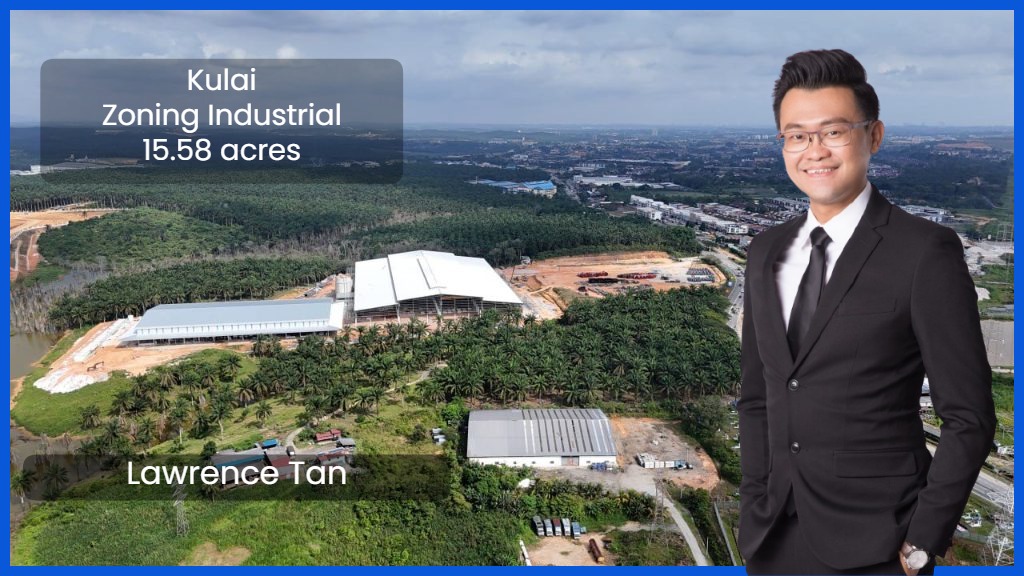 LT117Kulai · KulaiAgriculture Land · 15.58 acre
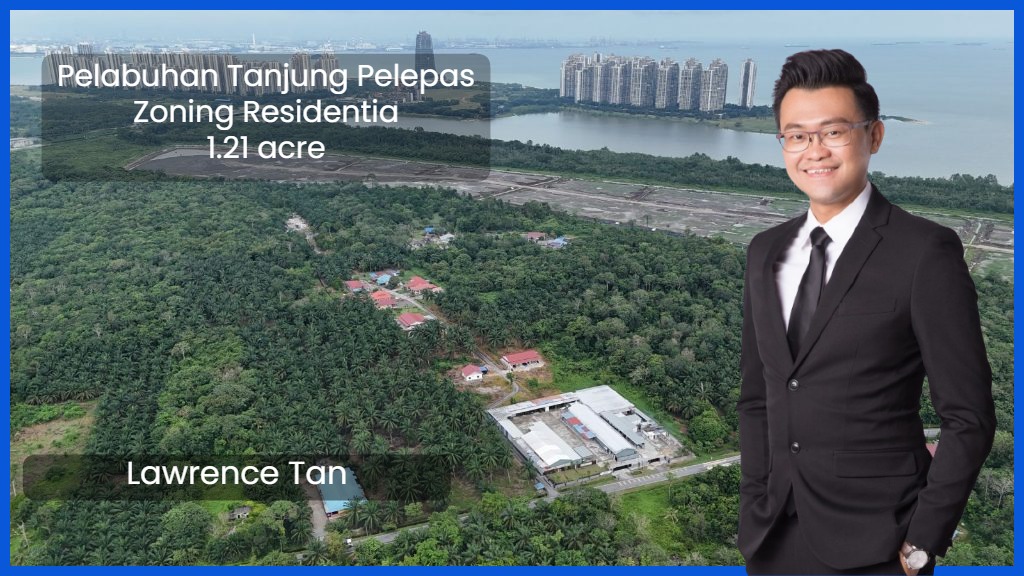 LT068Gelang Patah · JohorAgriculture Land · 1.21 acre
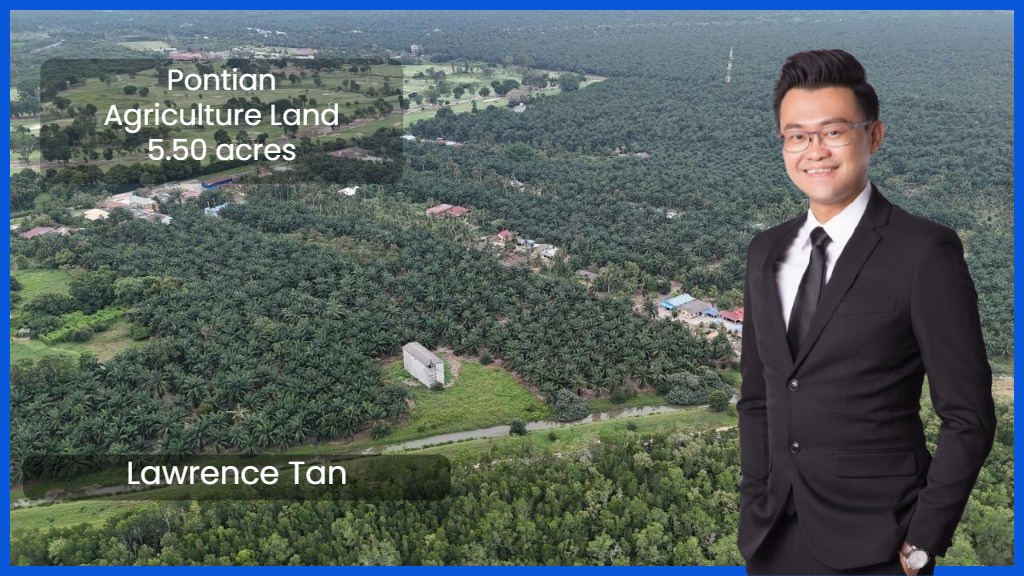 LT162mPontian · JohorAgriculture Land · 5.5 acre
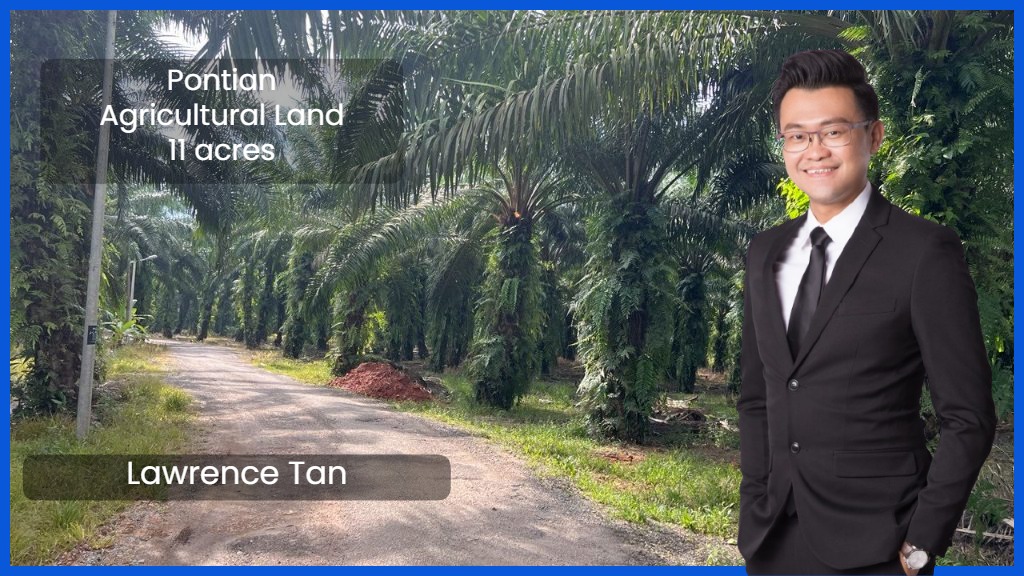 LT073Pontian · JohorAgriculture Land · 11 acre
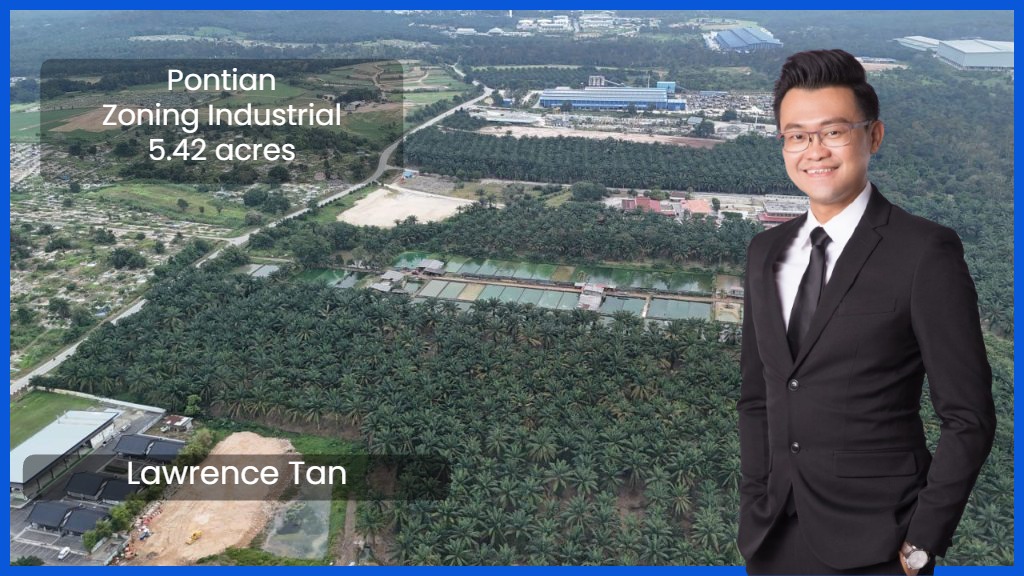 LT175Pontian · JohorAgriculture Land · 5.42 acre
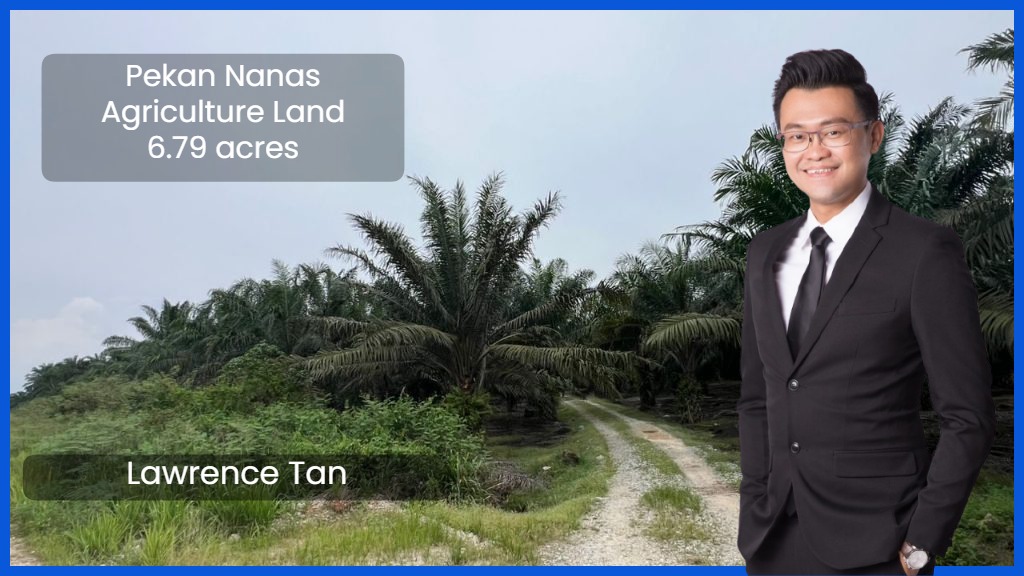 LT081Pontian · JohorAgriculture Land · 6.794 acre
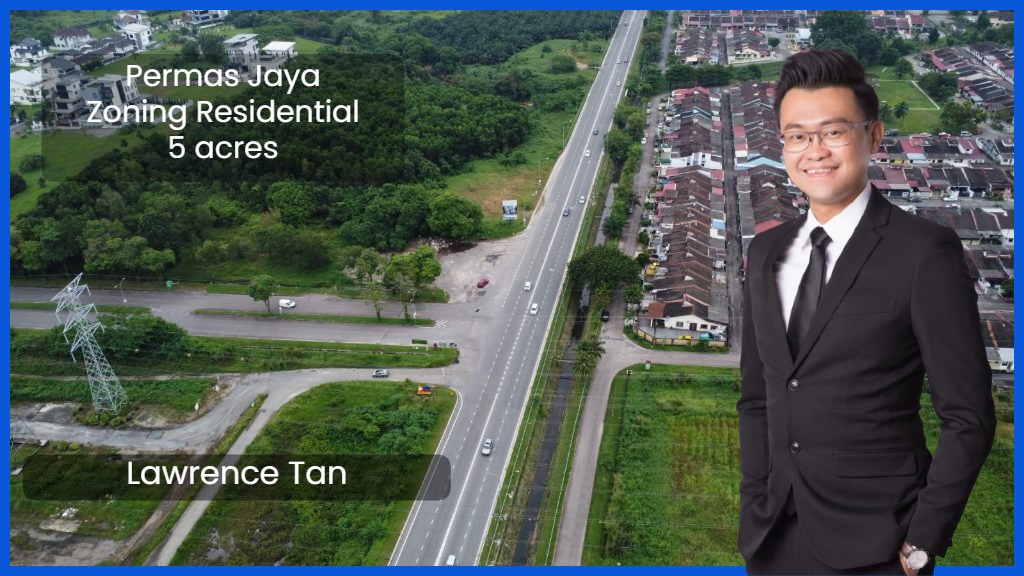 LT018Johor Bahru · JohorAgriculture Land · 5 acre
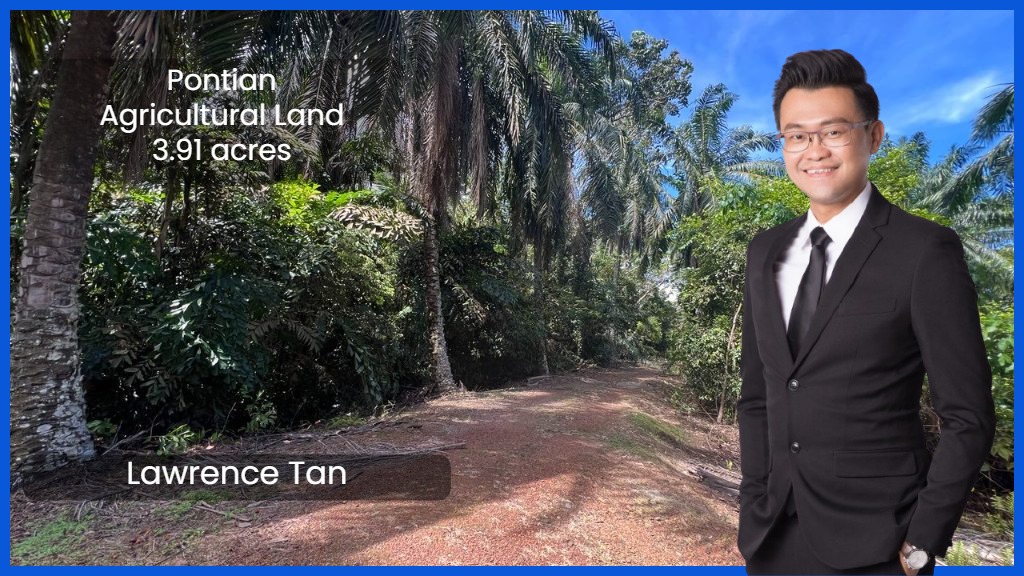 LT077Pontian · JohorAgriculture Land · 3.91 acre
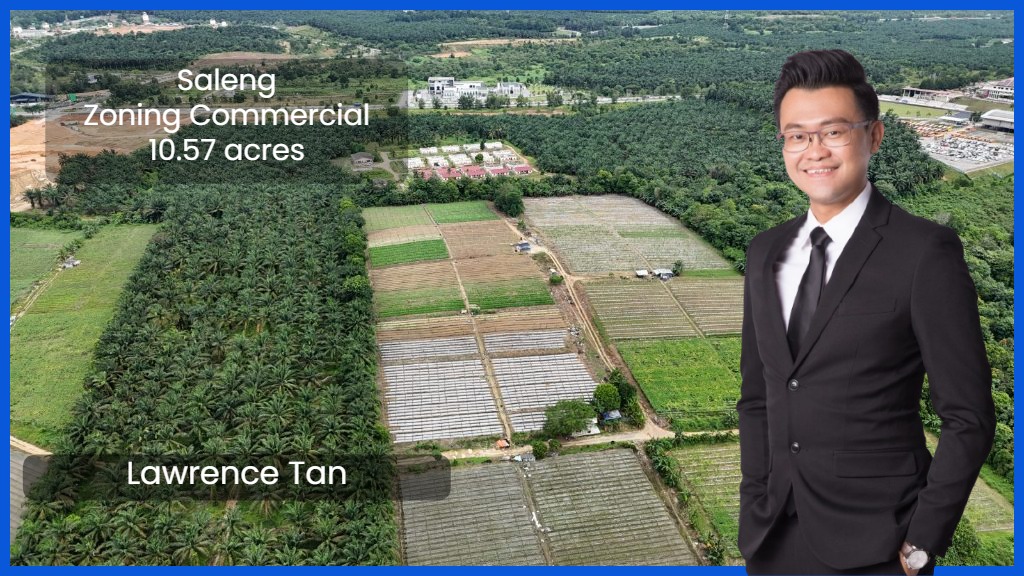 LT092-BKulai · JohorAgriculture Land · 10.575 acre
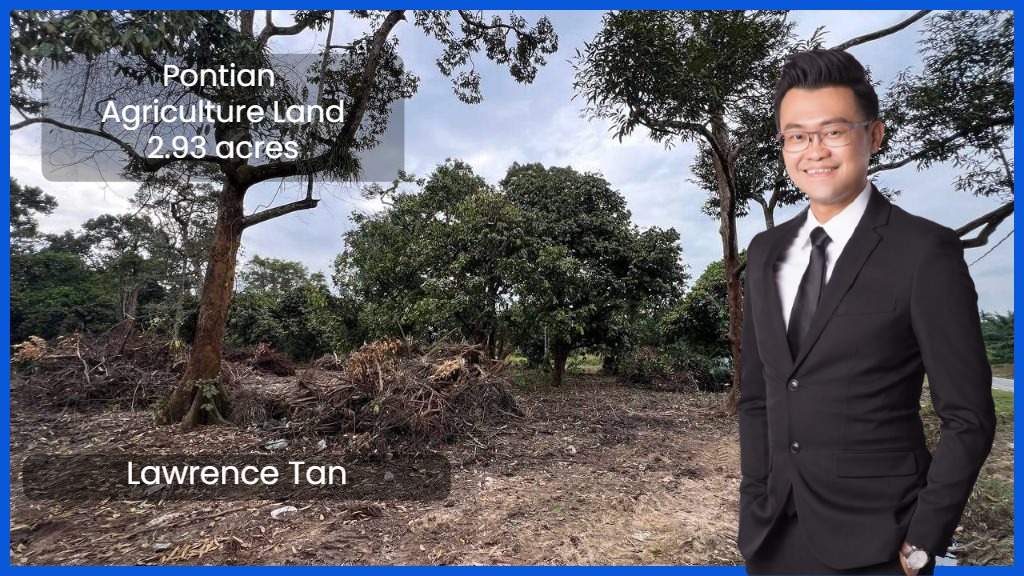 LT136Pontian · JohorAgriculture Land · 2.937 acre
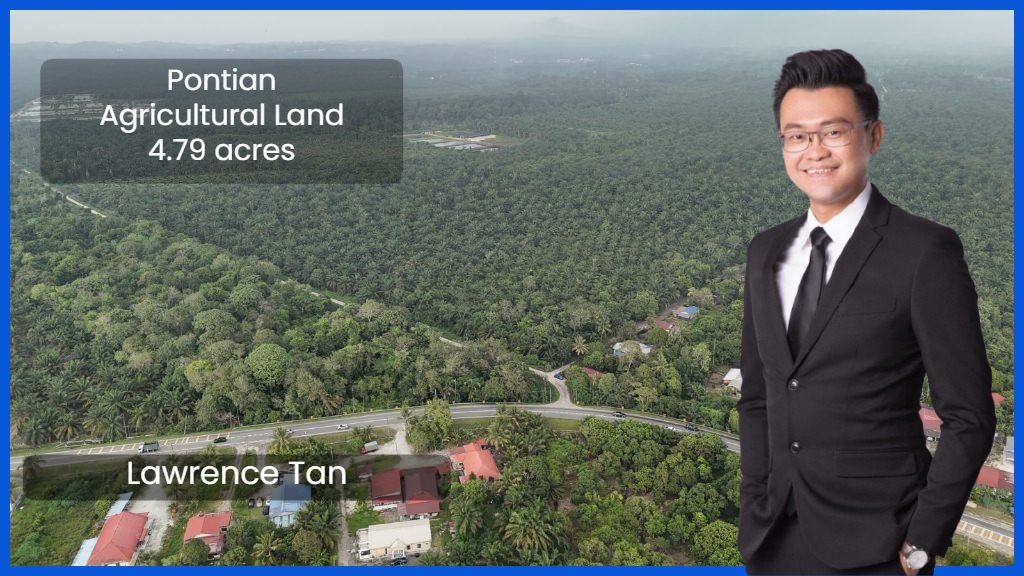 LT105-BPontian · JohorAgriculture Land · 4.793 acre
 LT082Pontian · JohorAgriculture Land · 8.359 acre
 LT121Pontian · JohorAgriculture Land · 3.318 acre
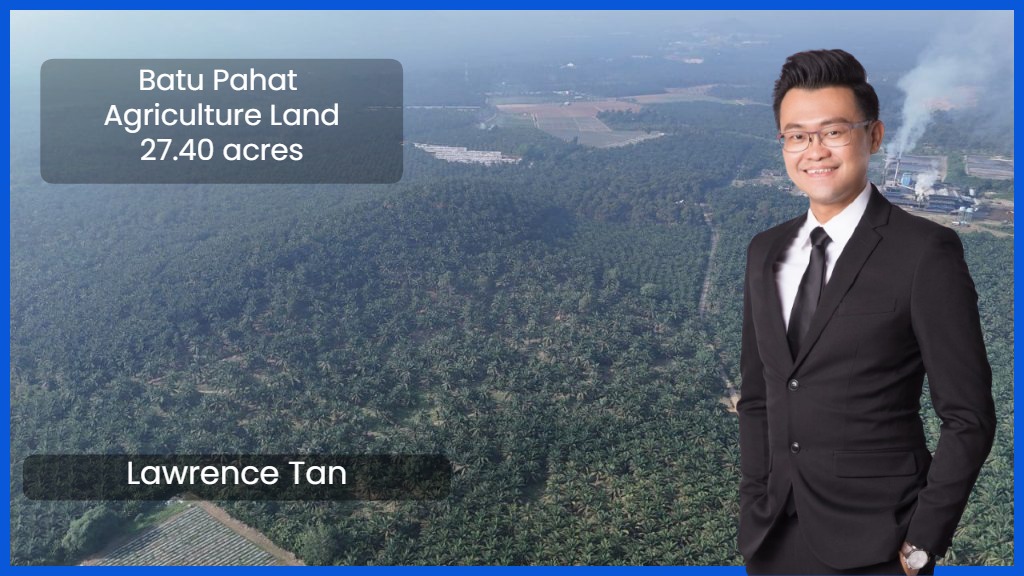 LT160Batu Pahat · JohorAgriculture Land · 27.4 acre
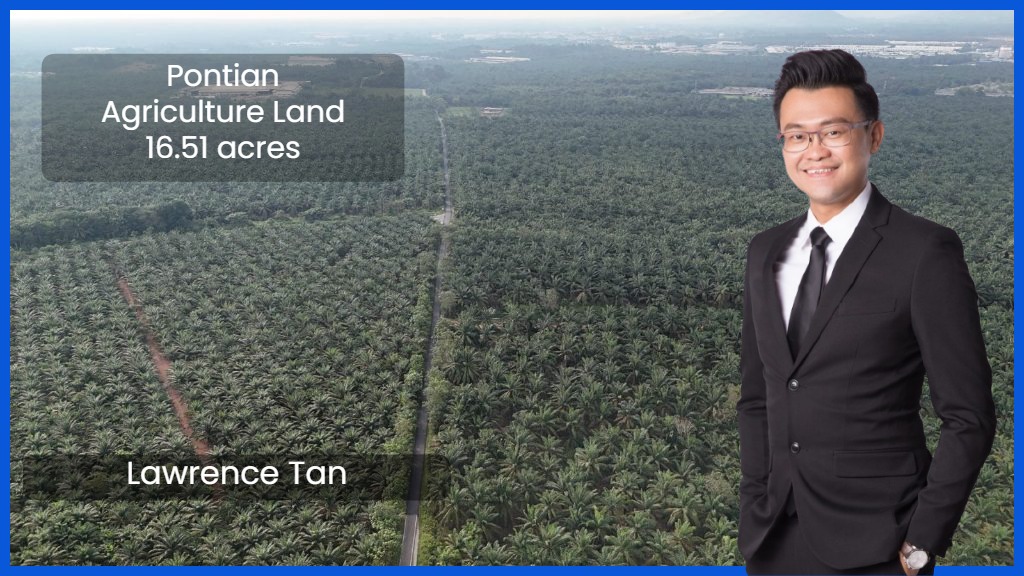 LT053Pontian · JohorAgriculture Land · 16.51 acre
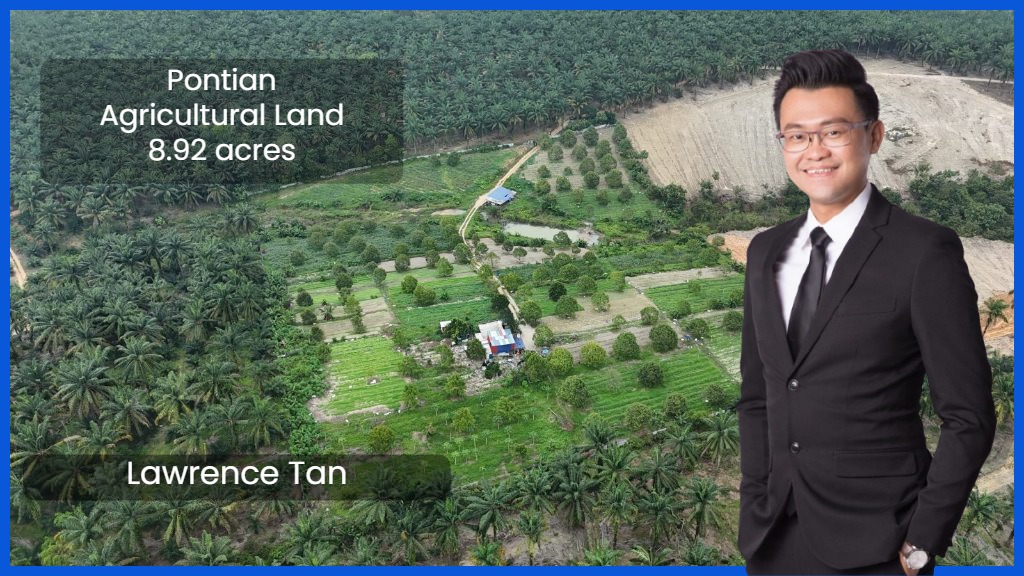 LT135Pontian · JohorAgriculture Land · 8.92 acre
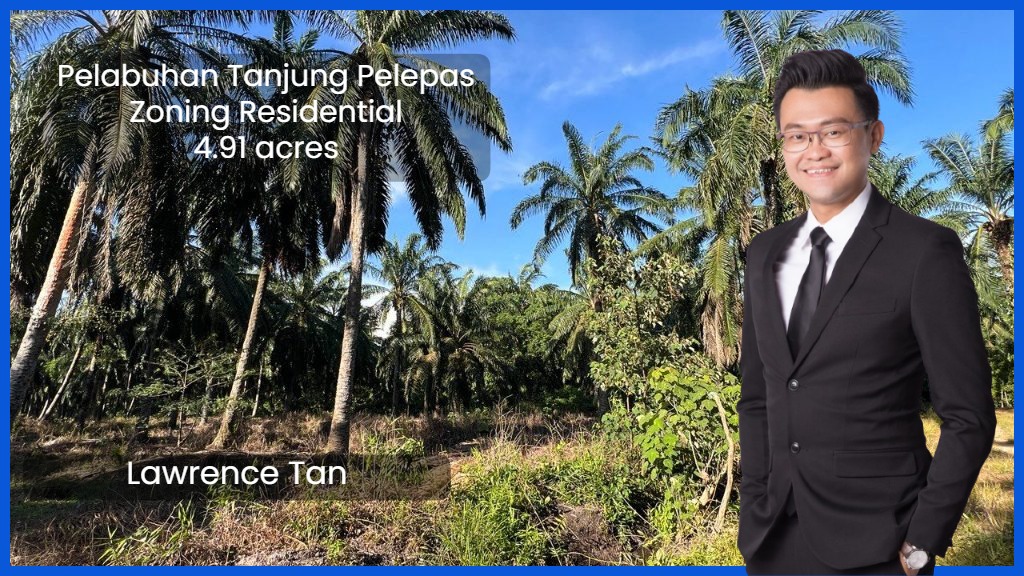 LT060Gelang Patah · Johor Darul Ta'zimAgriculture Land · 4.91 acre
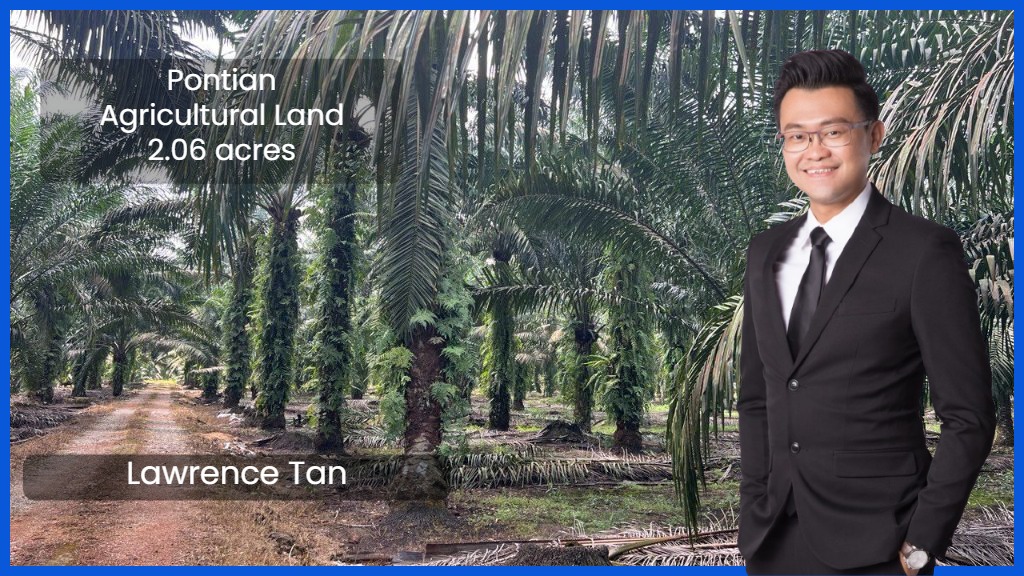 LT079Pontian · JohorAgriculture Land · 2.06 acre
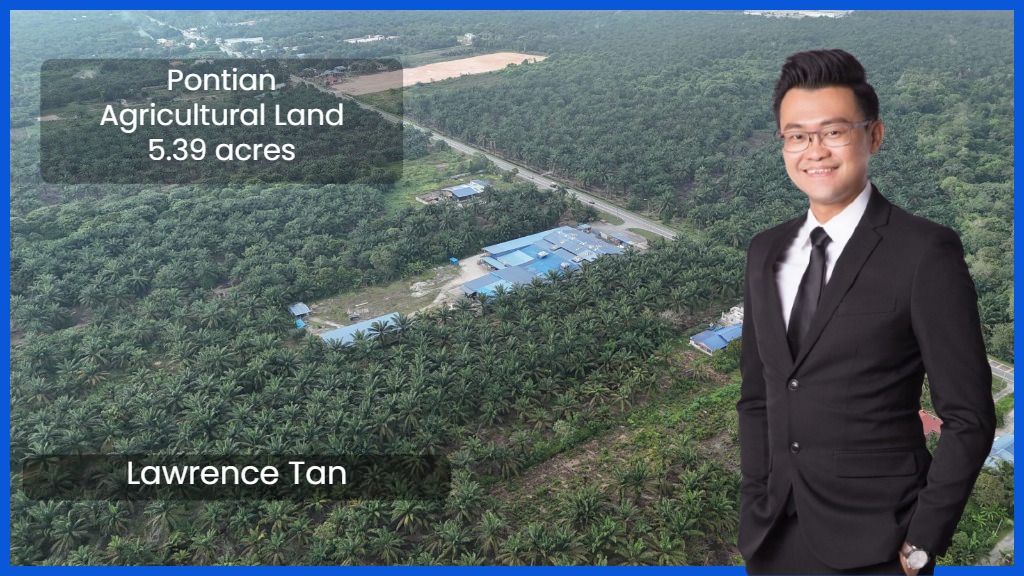 LT104-BPontian · JohorAgriculture Land · 5.393 acre
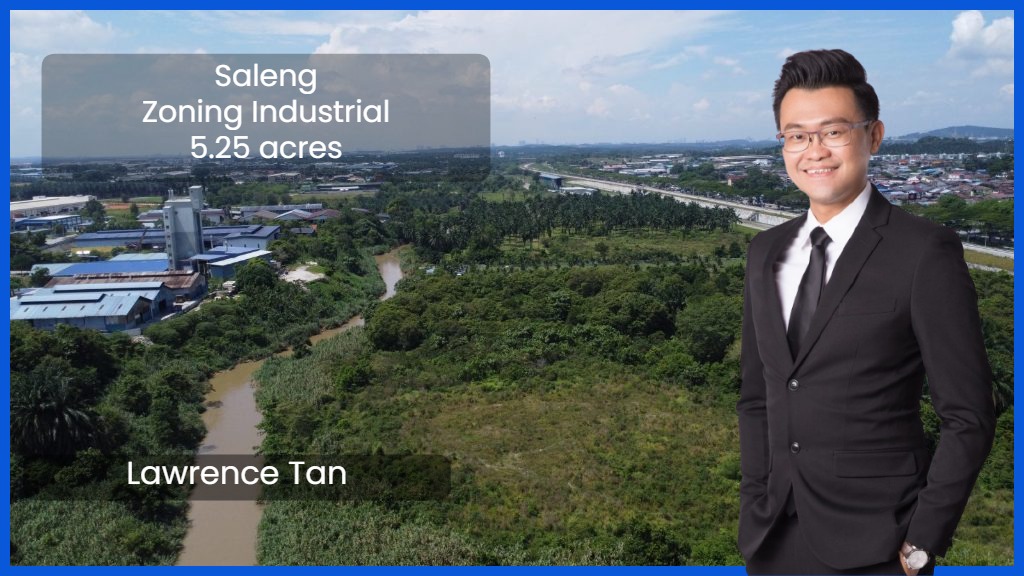 LT062Kulai · JohorAgriculture Land · 5.25 acre
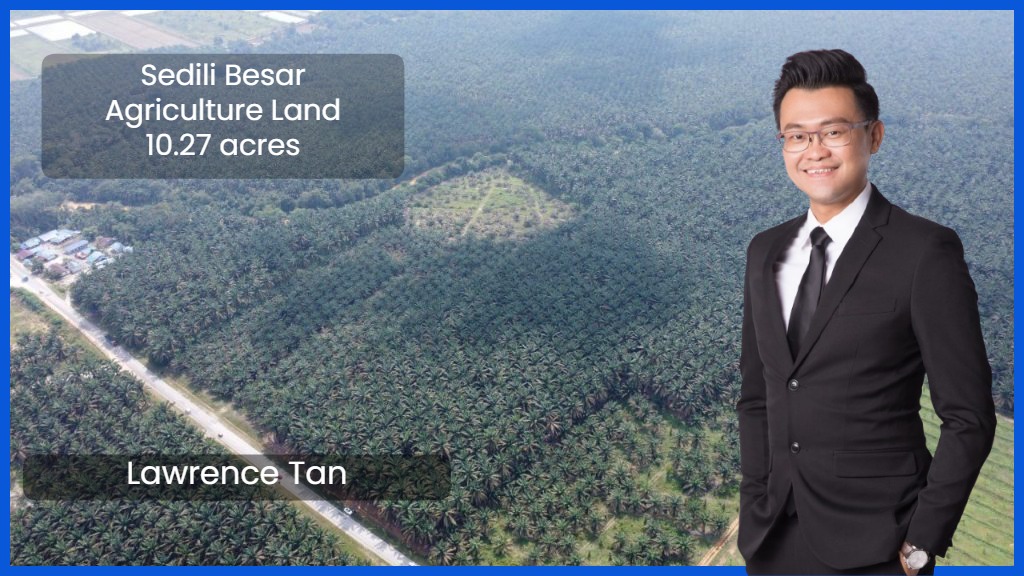 LT015Kota Tinggi · JohorAgriculture Land · 10.27 acre
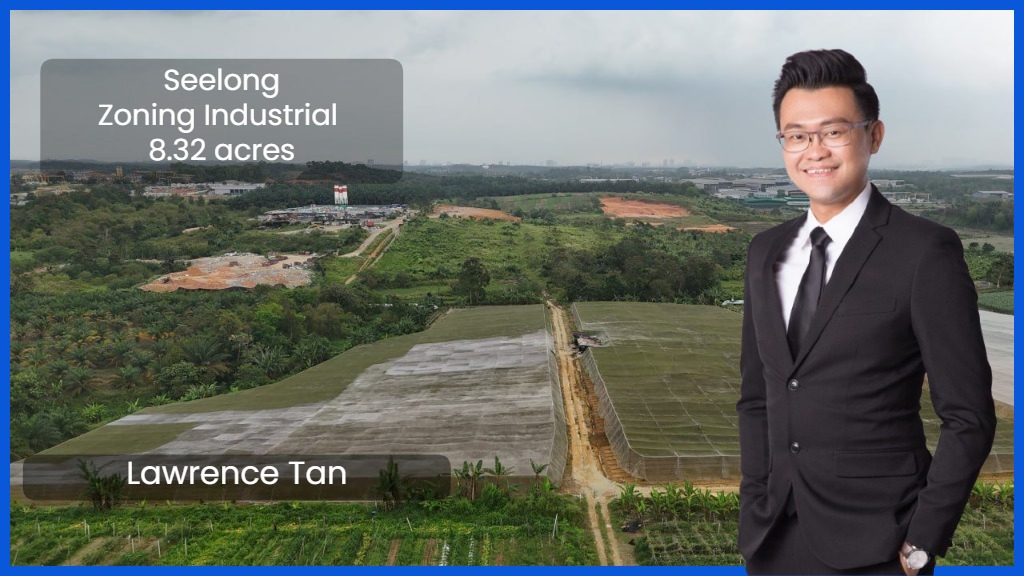 LT141Kulai · JohorAgriculture Land · 8.32 acre
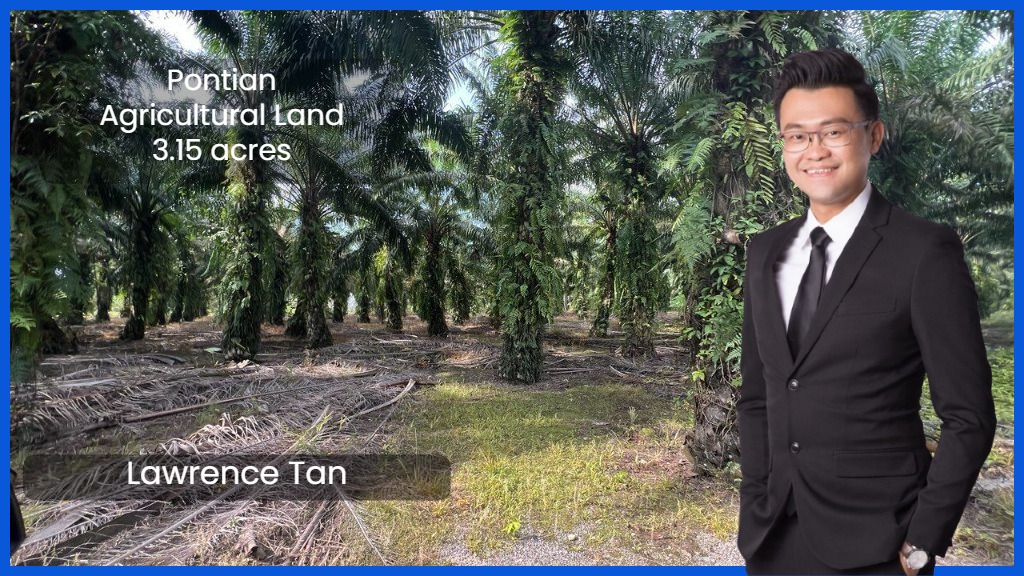 LT072Pontian · JohorAgriculture Land · 3.15 acre
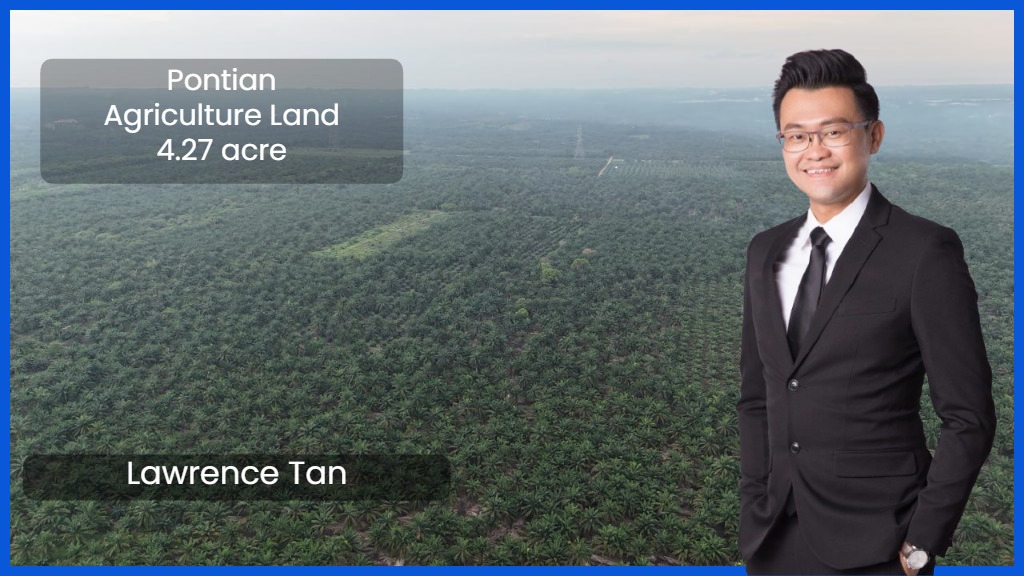 LT176Pontian · JohorAgriculture Land · 4.27 acre
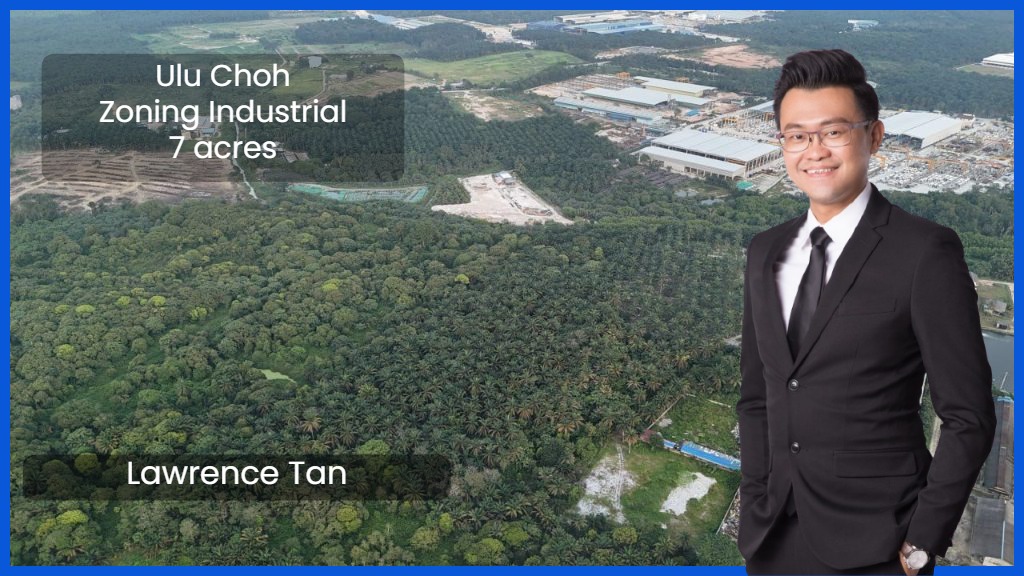 LT132Gelang Patah · JohorAgriculture Land · 7 acre
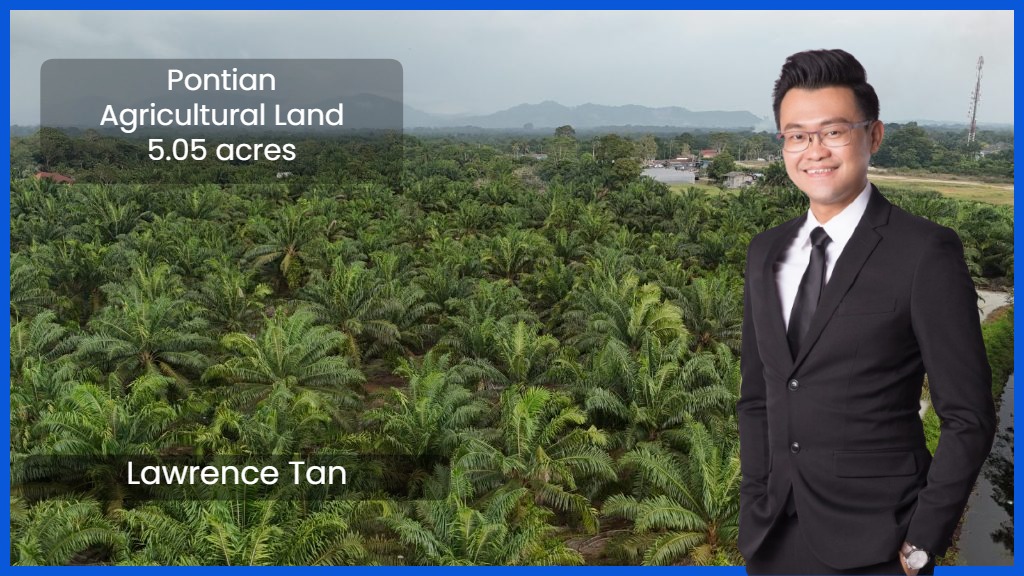 LT106-BPontian · JohorAgriculture Land · 5.056 acre
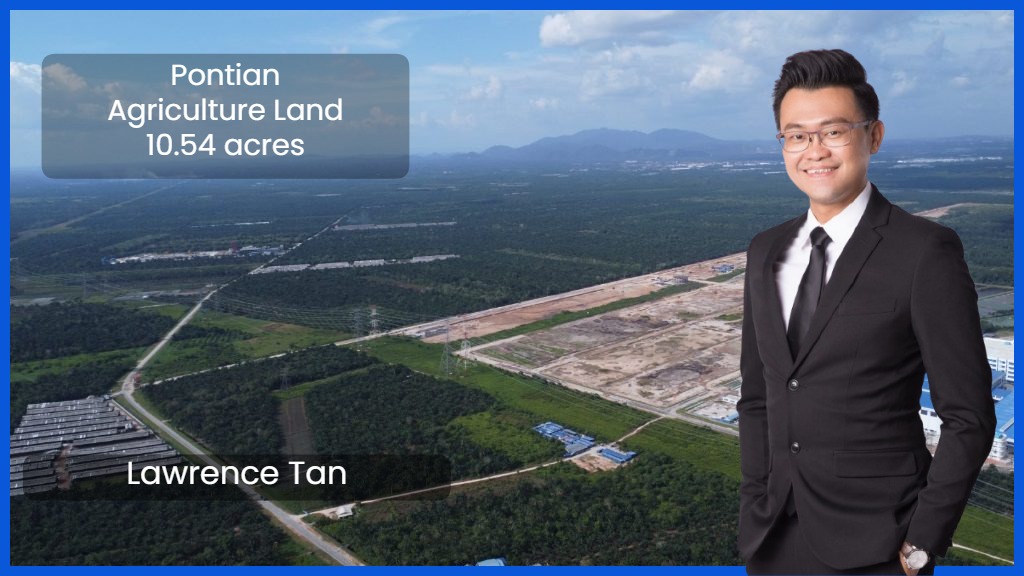 LT100-BPontian · Johor Darul Ta'zimAgriculture Land · 10.546 acre
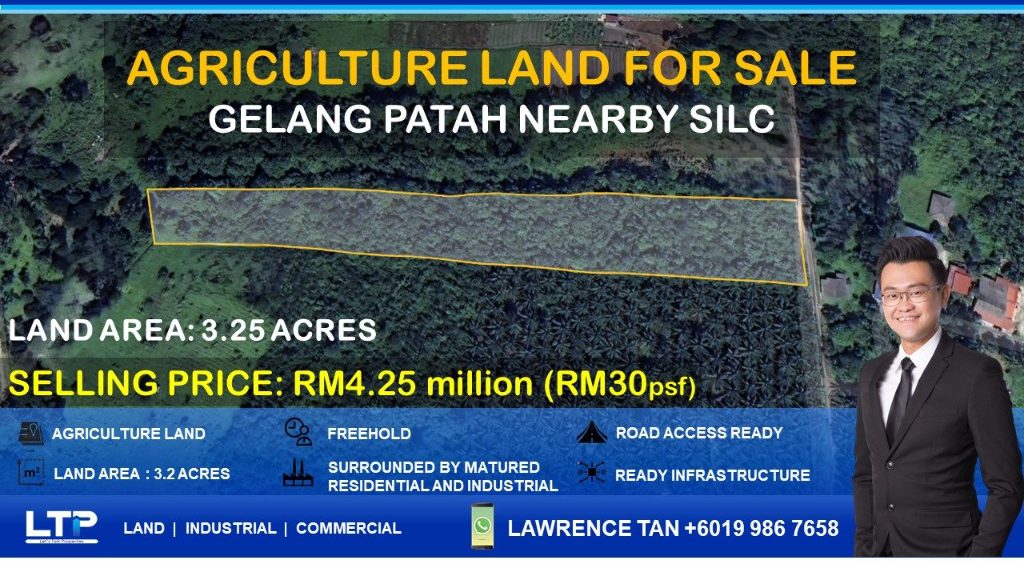 LT007Gelang Patah · Johor Darul Ta'zimAgriculture Land · 3.26 acre
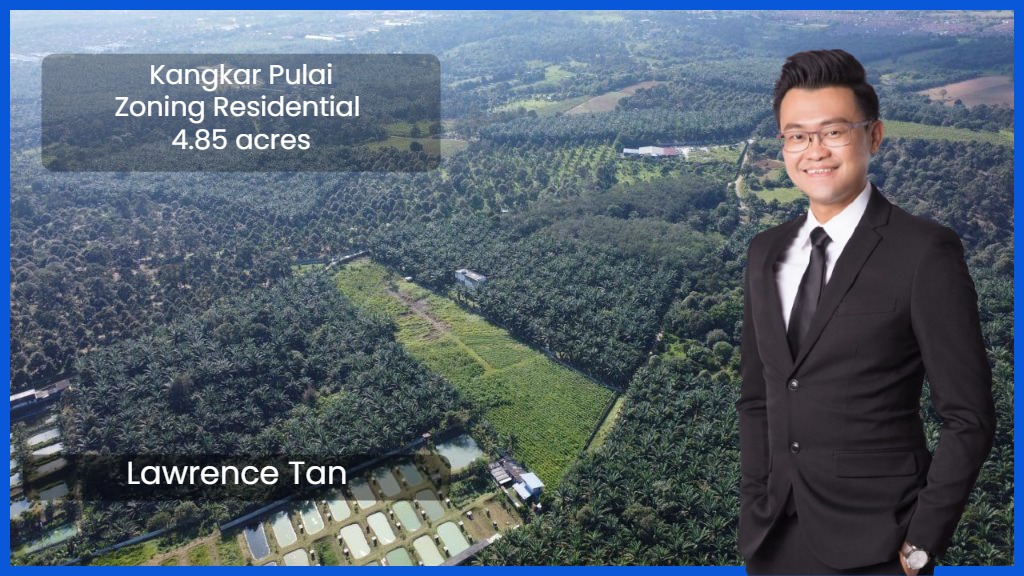 LT020Pulai · JohorAgriculture Land · 4.85 acre
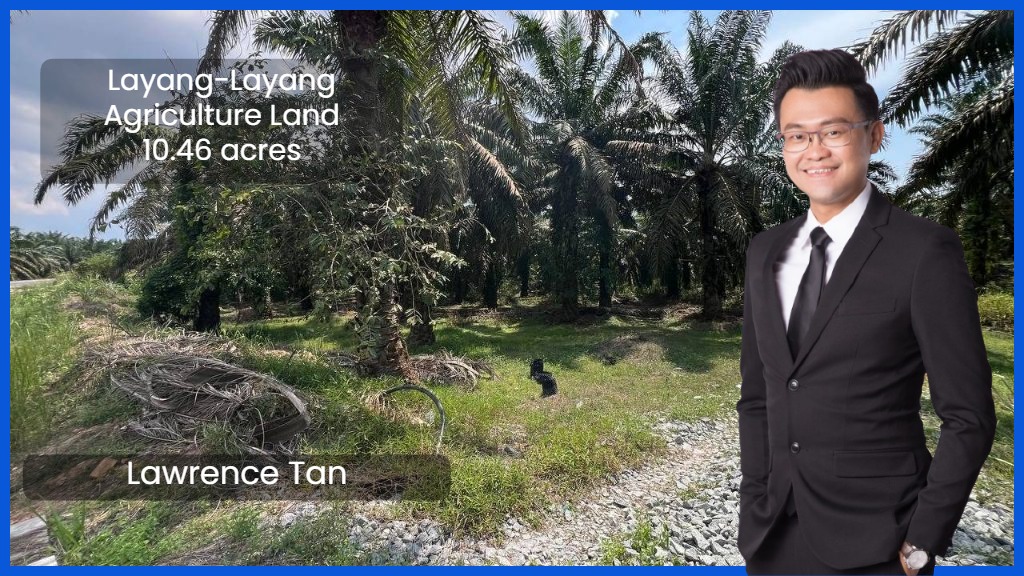 LT153Kulai · JohorAgriculture Land · 10.46 acre
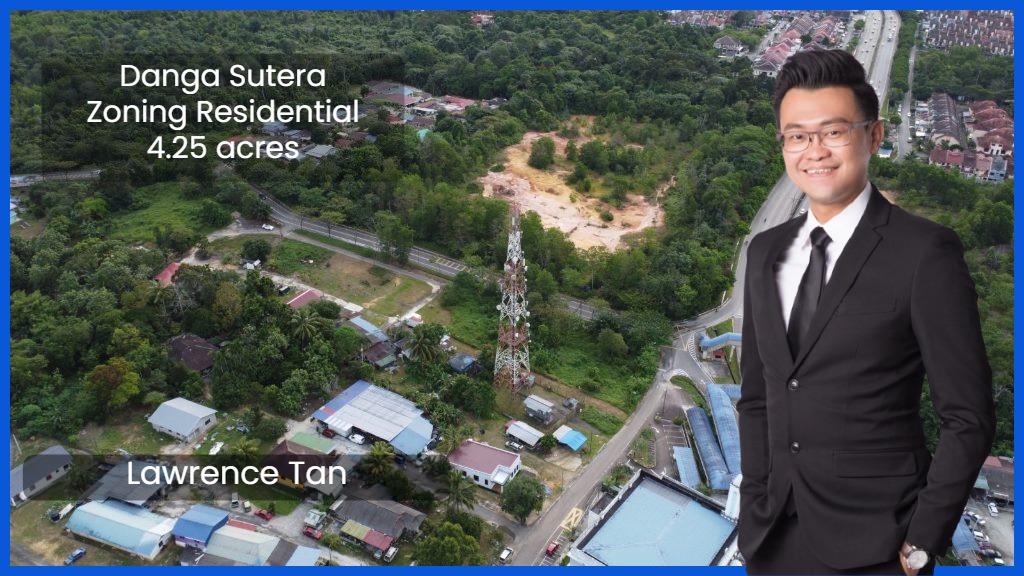 LT021Pulai · JohorAgriculture Land · 4.25 acre
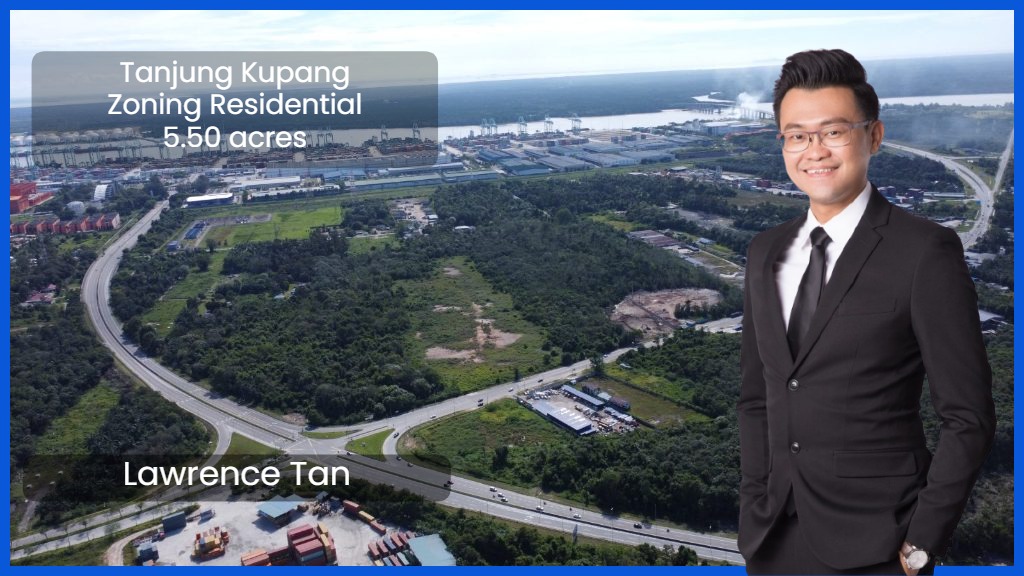 LT067Gelang Patah · JohorAgriculture Land · 5.5 acre
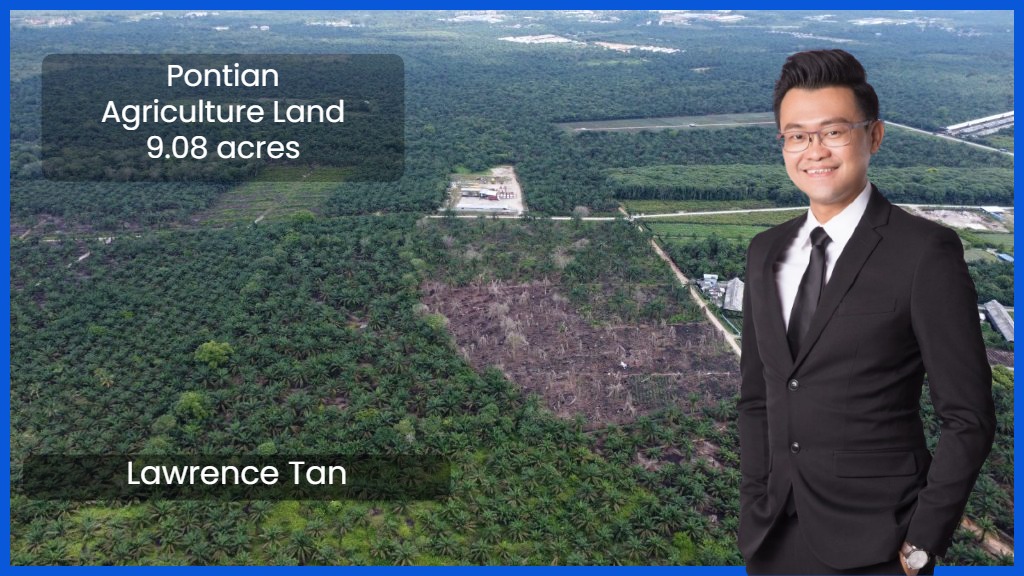 LT041Pontian · JohorAgriculture Land · 9.08 acre
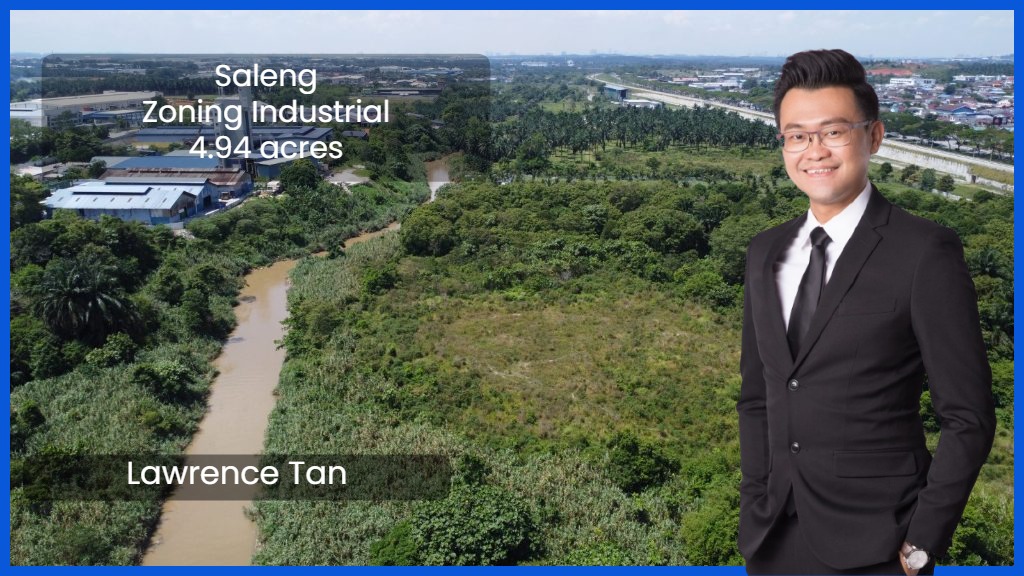 LT063Kulai · JohorAgriculture Land · 4.94 acre
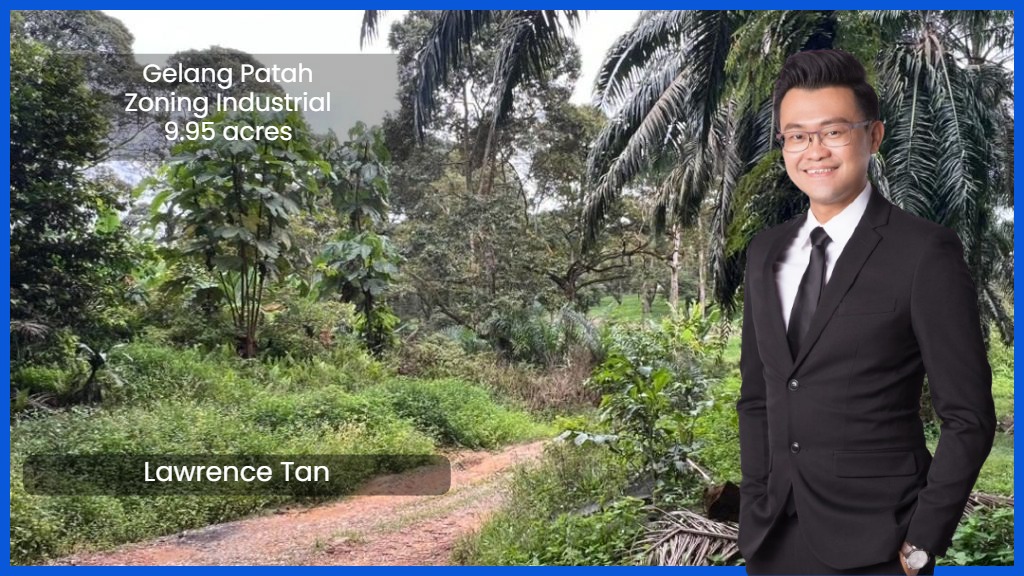 LT083Gelang Patah · JohorAgriculture Land · 9.95 acre
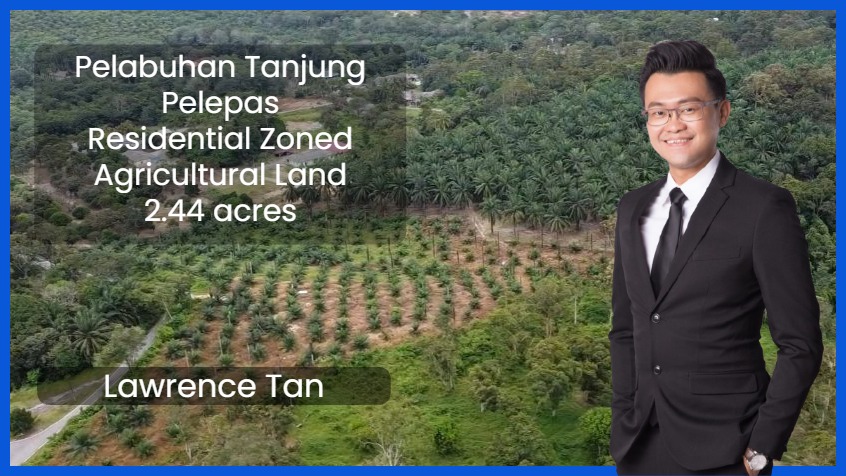 LT008Gelang Patah · Johor Darul Ta'zimAgriculture Land · 2.44 acre
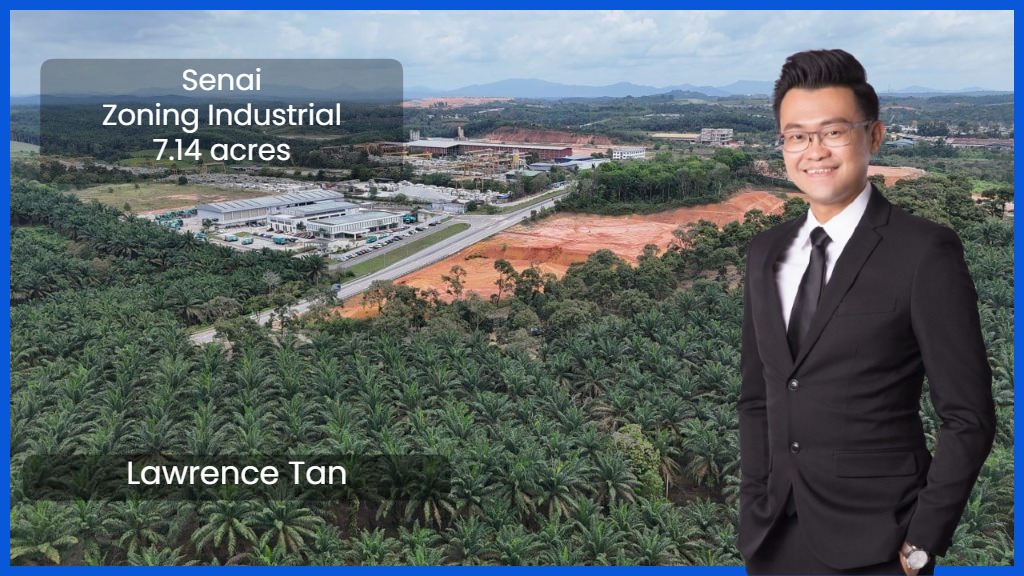 LT144-BKulai · JohorAgriculture Land · 7.14 acre
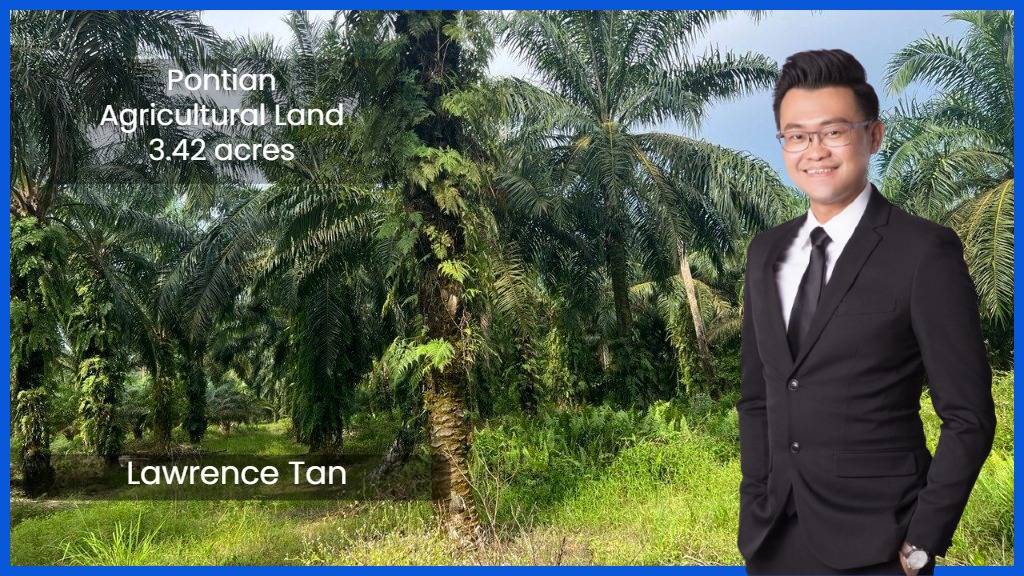 LT070Pontian · JohorAgriculture Land · 3.42 acre
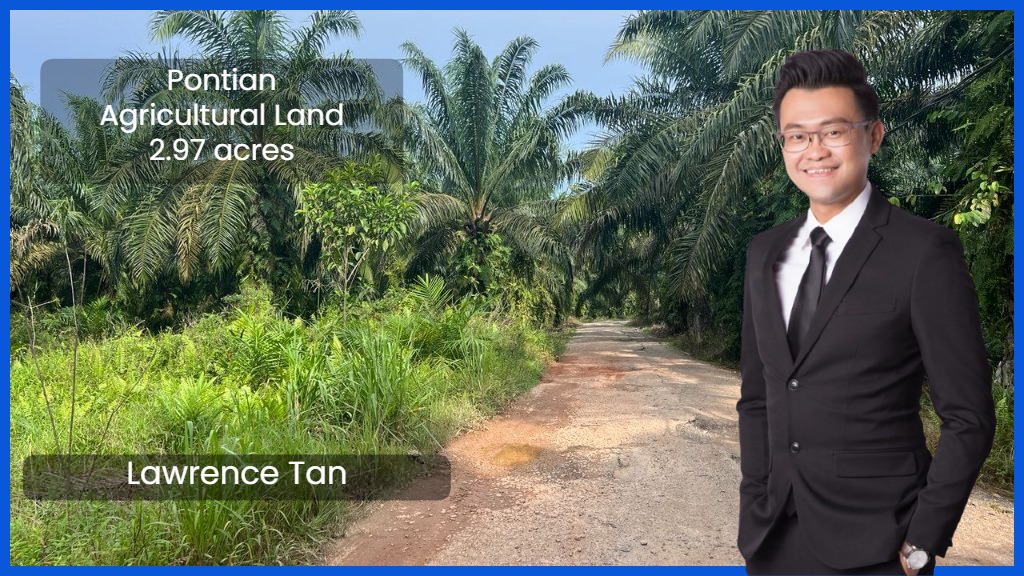 LT074Pontian · JohorAgriculture Land · 2.97 acre
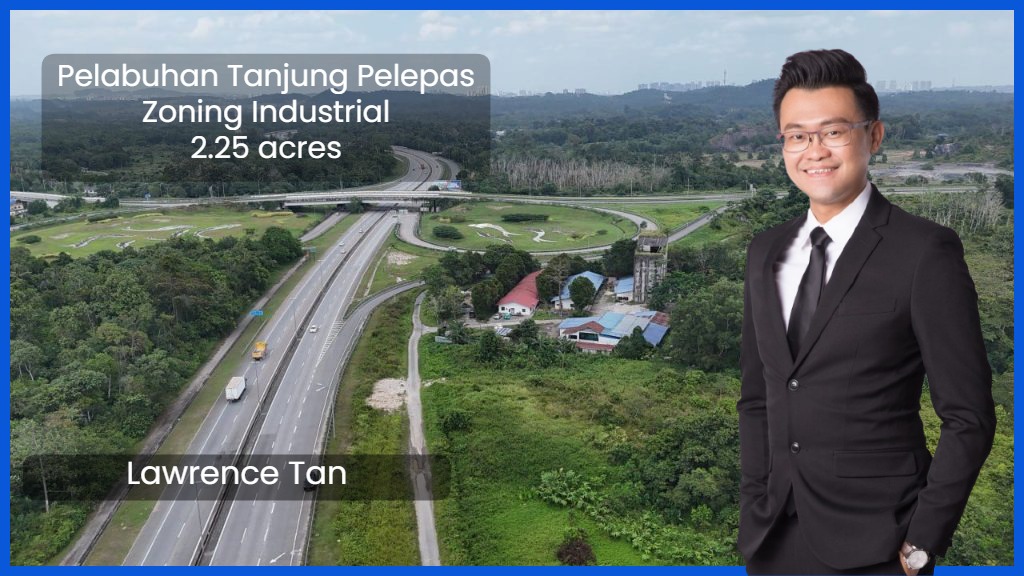 LT157Gelang Patah · JohorAgriculture Land · 2.255 acre
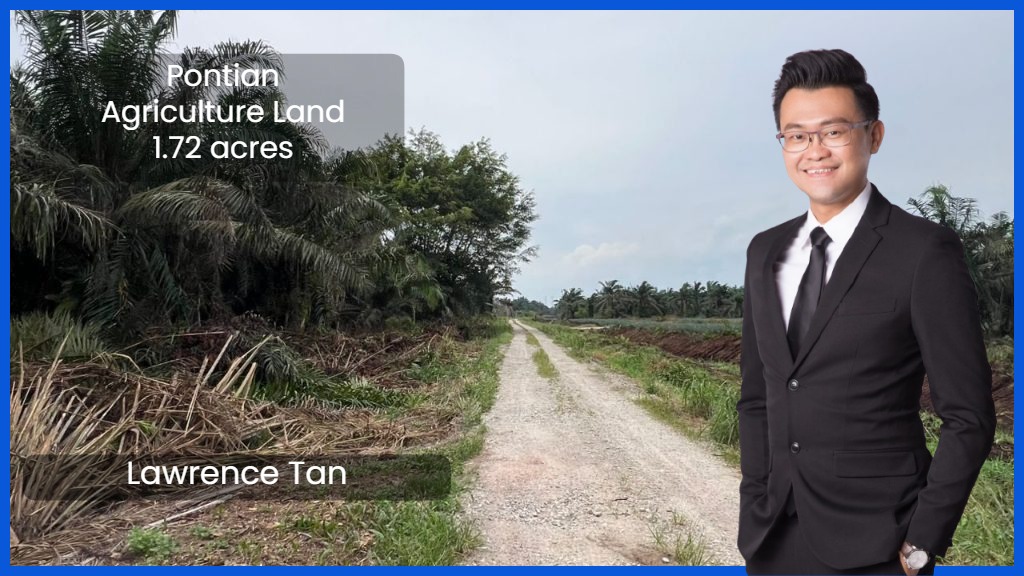 LT042Pontian · JohorAgriculture Land · 1.72 acre
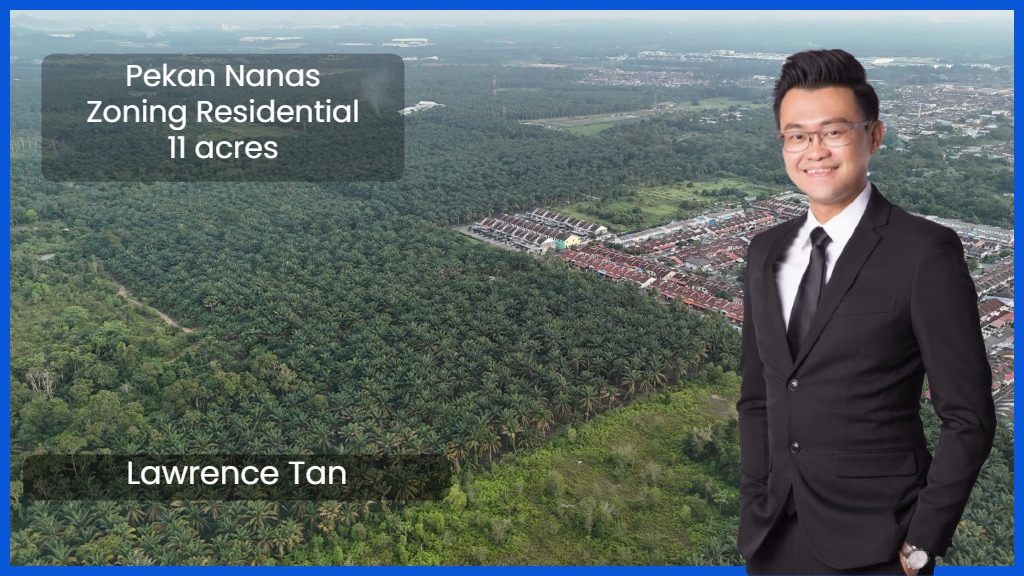 LT137Pontian · JohorAgriculture Land · 11 acre
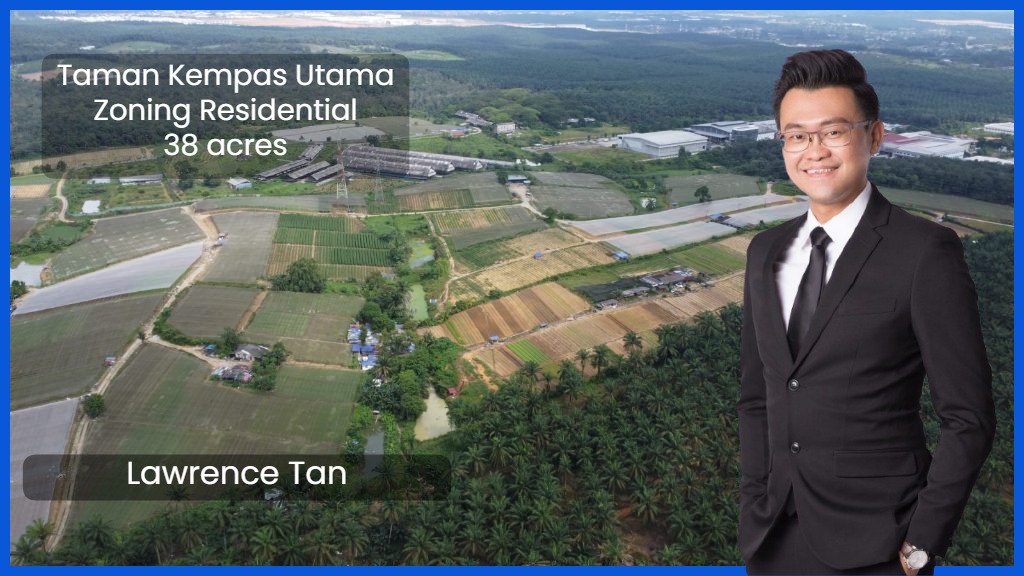 LT025Tebrau · JohorAgriculture Land · 38 acre
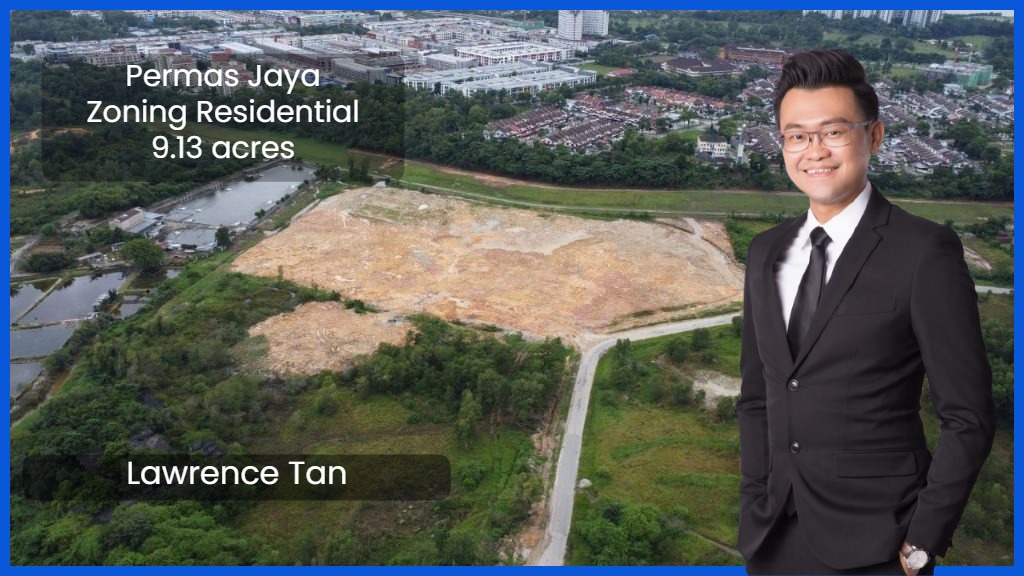 LT017Johor Bahru · JohorAgriculture Land · 9.13 acre
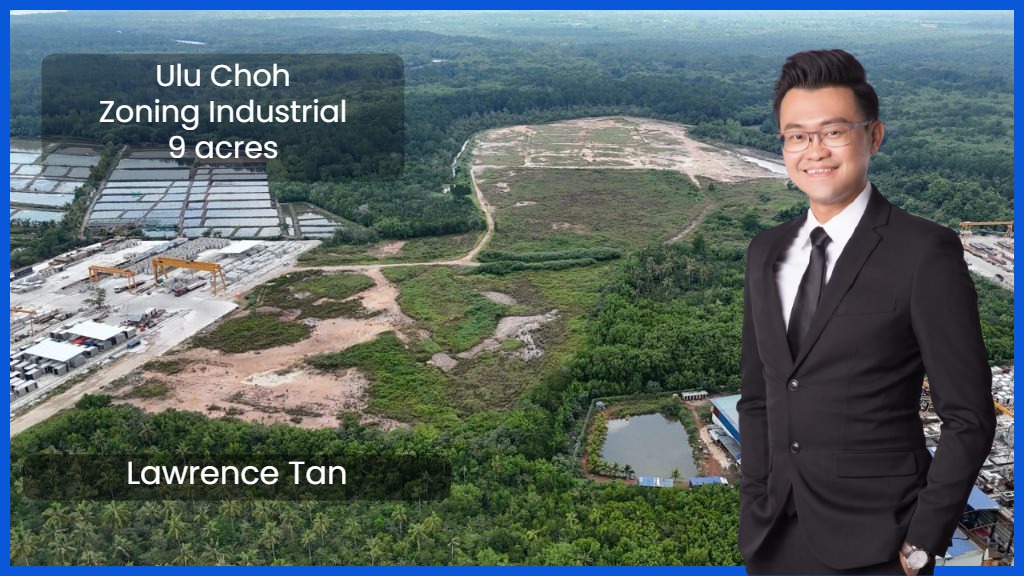 LT159Gelang Patah · JohorAgriculture Land · 9 acre
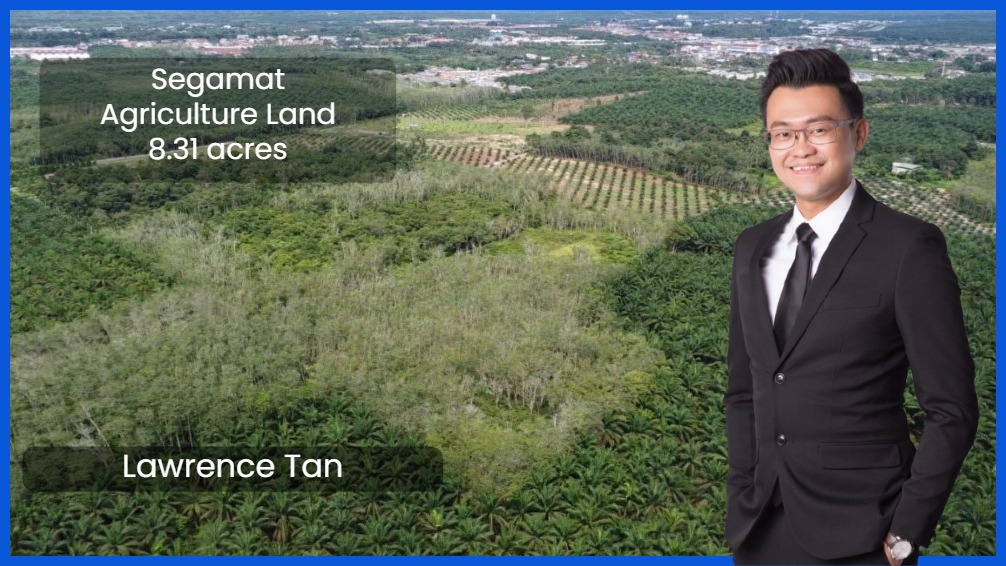 LT034Segamat · JohorAgriculture Land · 8.31 acre
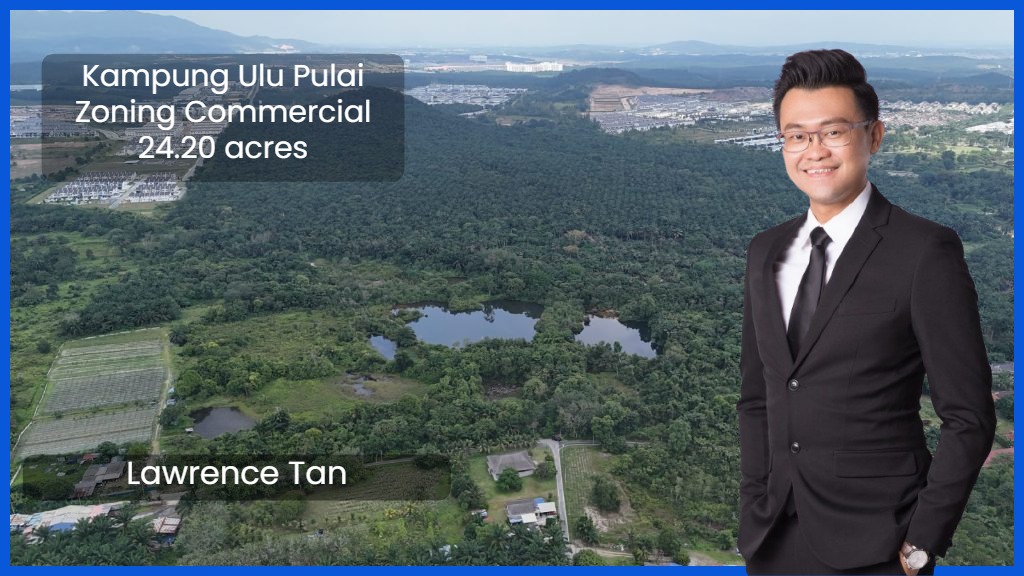 LT084Pontian · Johor Darul Ta'zimAgriculture Land · 24.2 acre
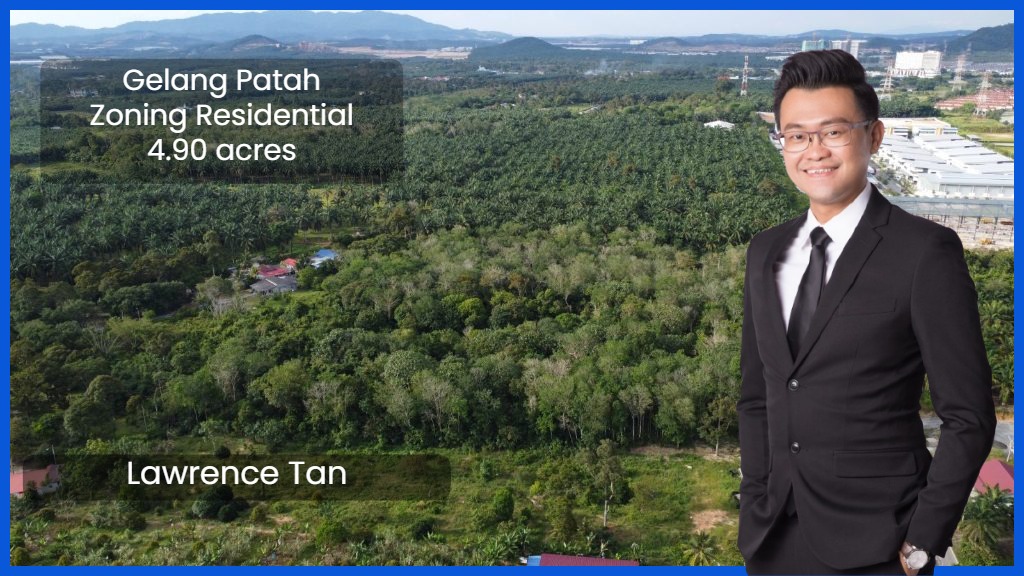 LT108Gelang Patah · JohorAgriculture Land · 4.9 acre
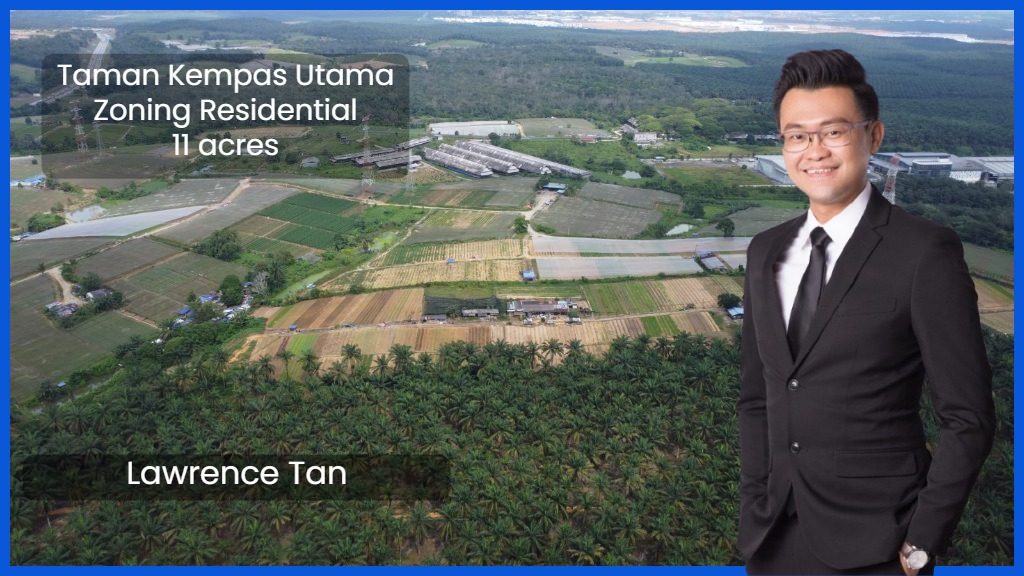 LT024Tebrau · JohorAgriculture Land · 11 acre
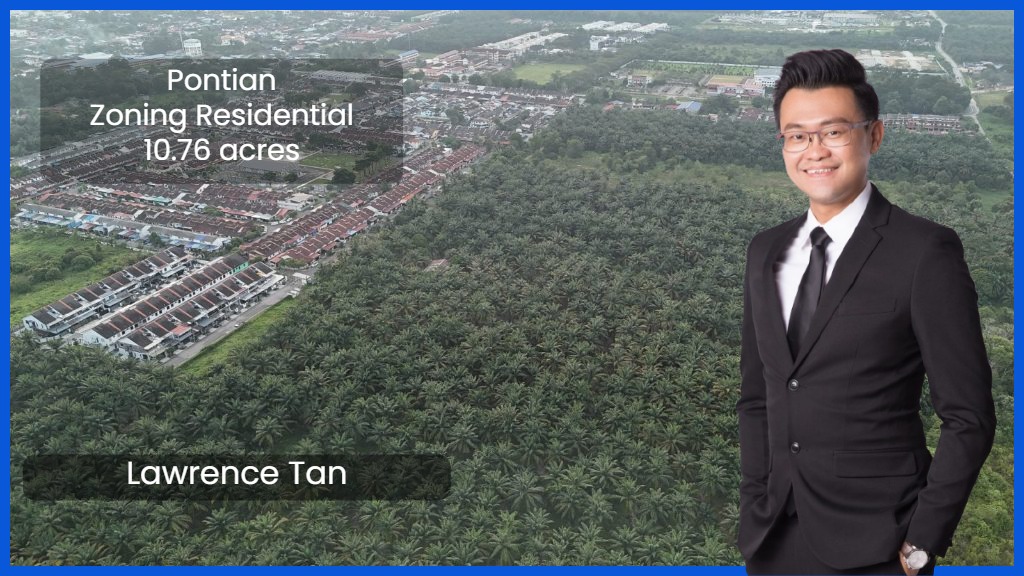 LT112-CPontian · JohorAgriculture Land · 10.762 acre
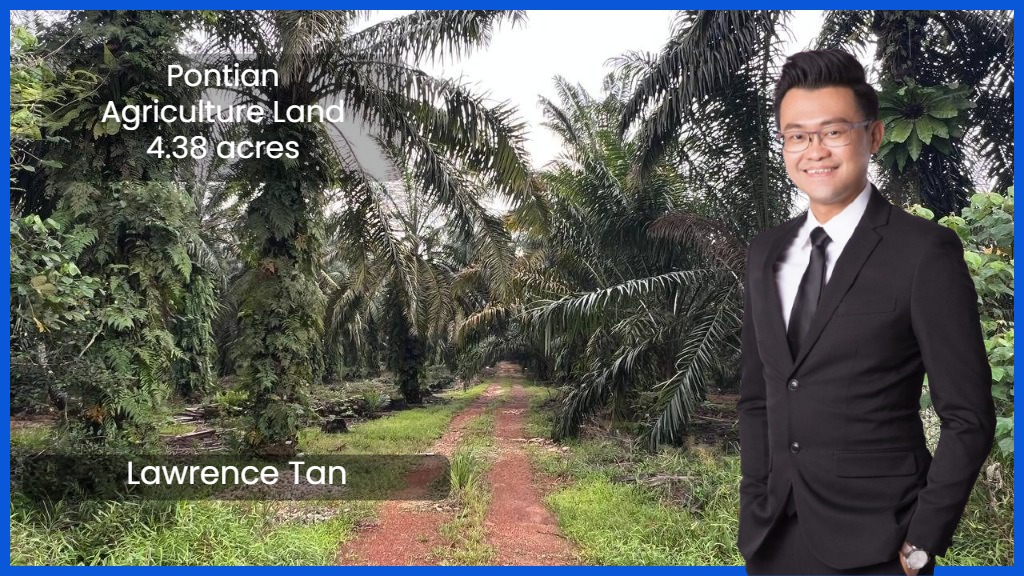 LT110Pontian · JohorAgriculture Land · 4.386 acre
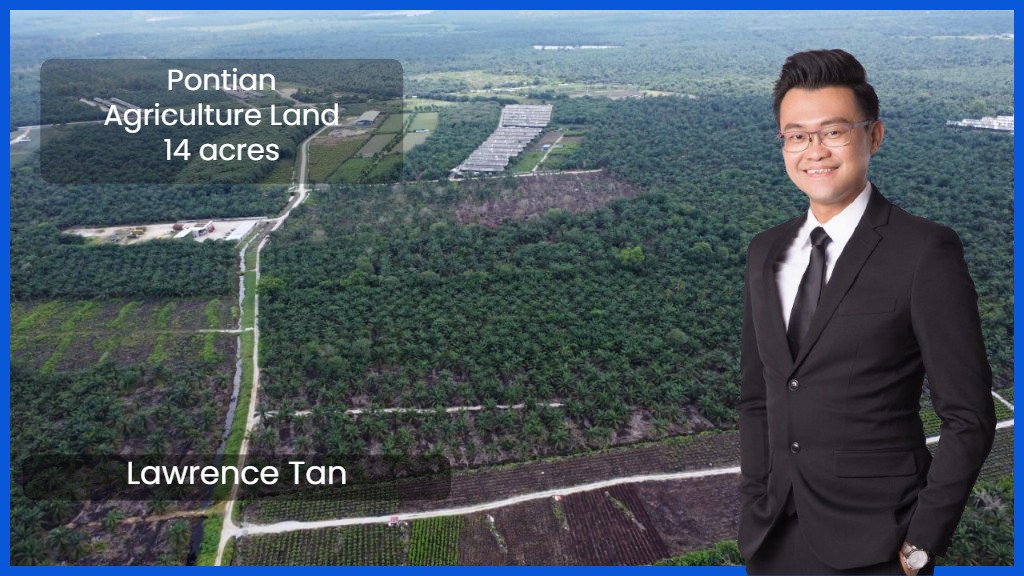 LT172Pontian · JohorAgriculture Land · 14 acre
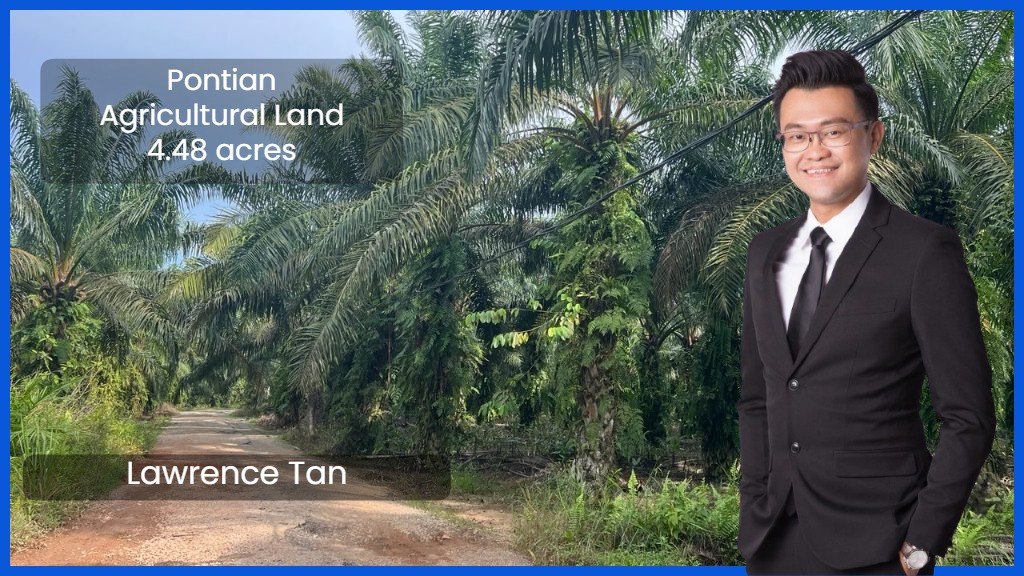 LT071Pontian · JohorAgriculture Land · 4.48 acre
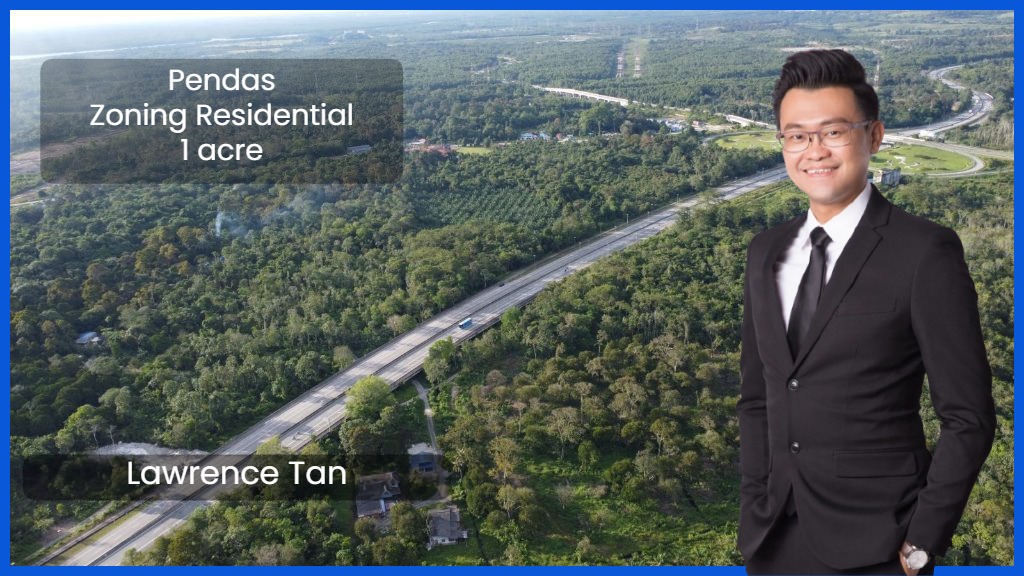 LT059Gelang Patah · JohorAgriculture Land · 1 acre
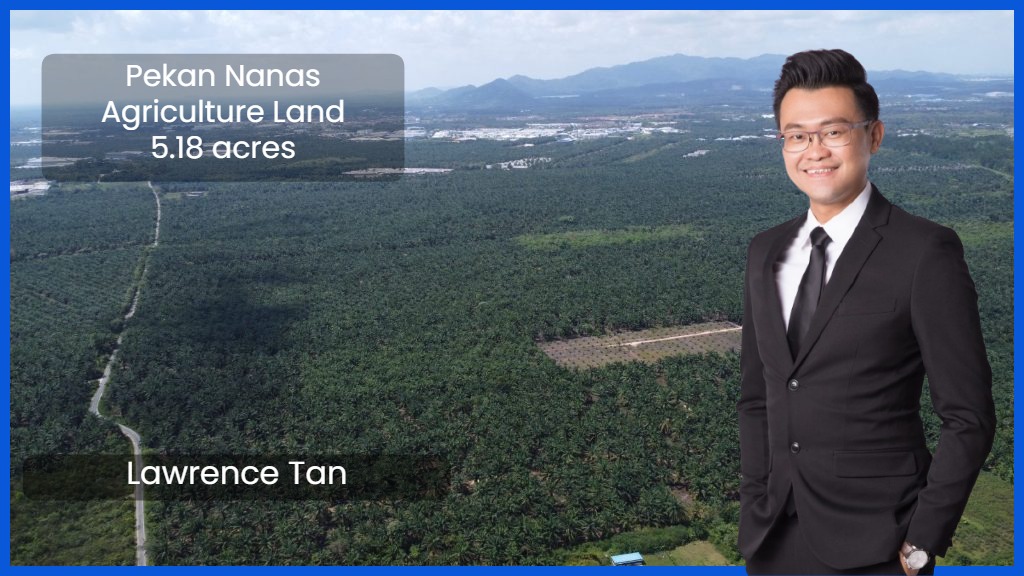 LT122Pontian · JohorAgriculture Land · 5.188 acre
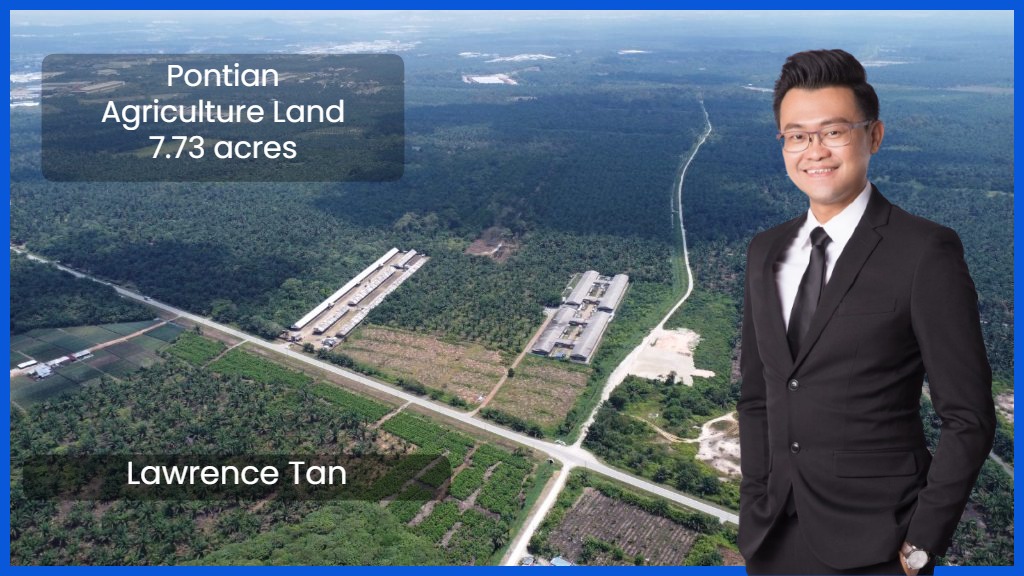 LT044Pontian · Johor Darul Ta'zimAgriculture Land · 7.73 acre
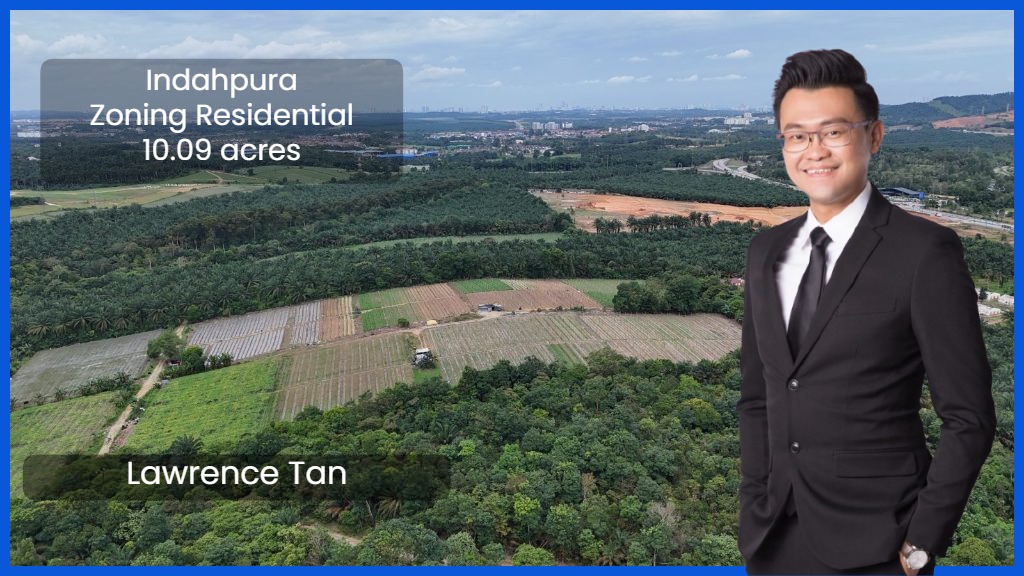 LT089-BKulai · JohorAgriculture Land · 10.094 acre
 LT057aGelang Patah · Johor Darul Ta'zimAgriculture Land · 3.89 acre
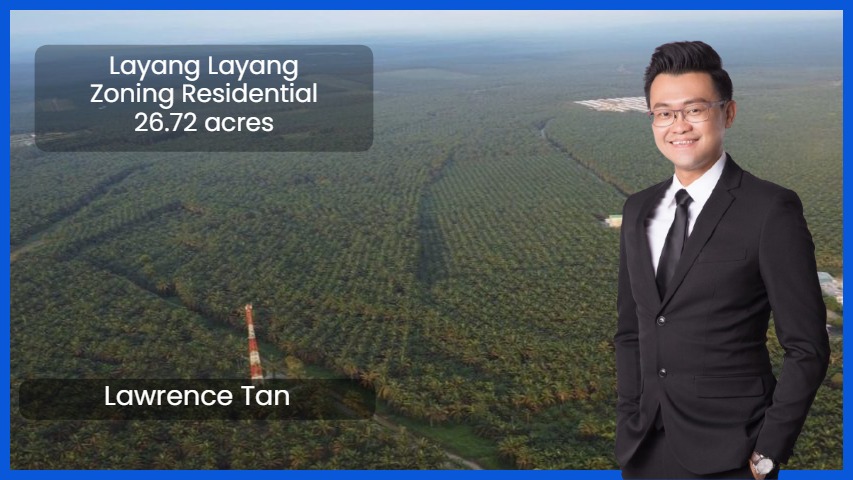 LT064Kulai · Johor Darul Ta'zimAgriculture Land · 26.72 acre
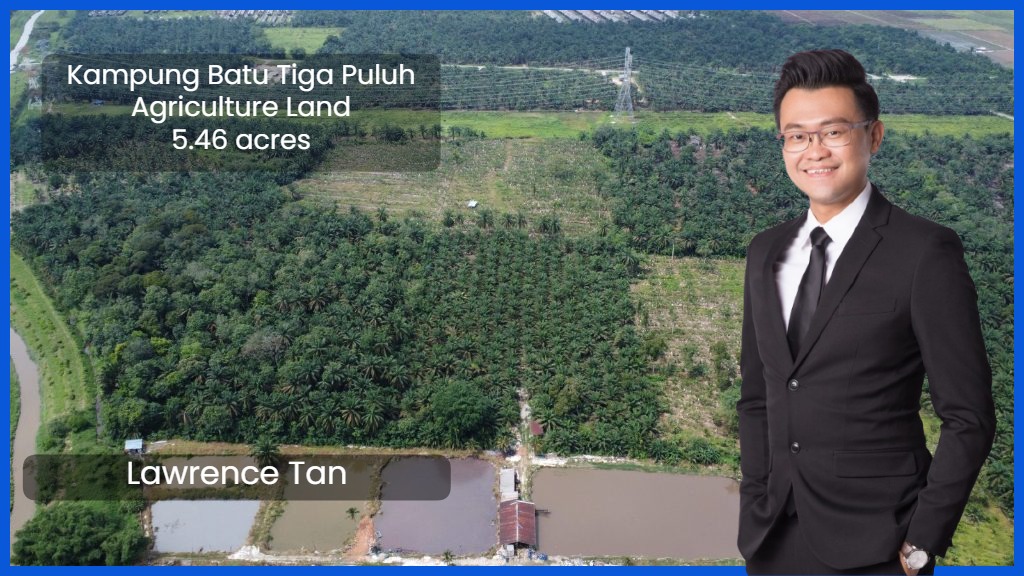 LT031Pontian · Johor Darul Ta'zimAgriculture Land · 5.46 acre
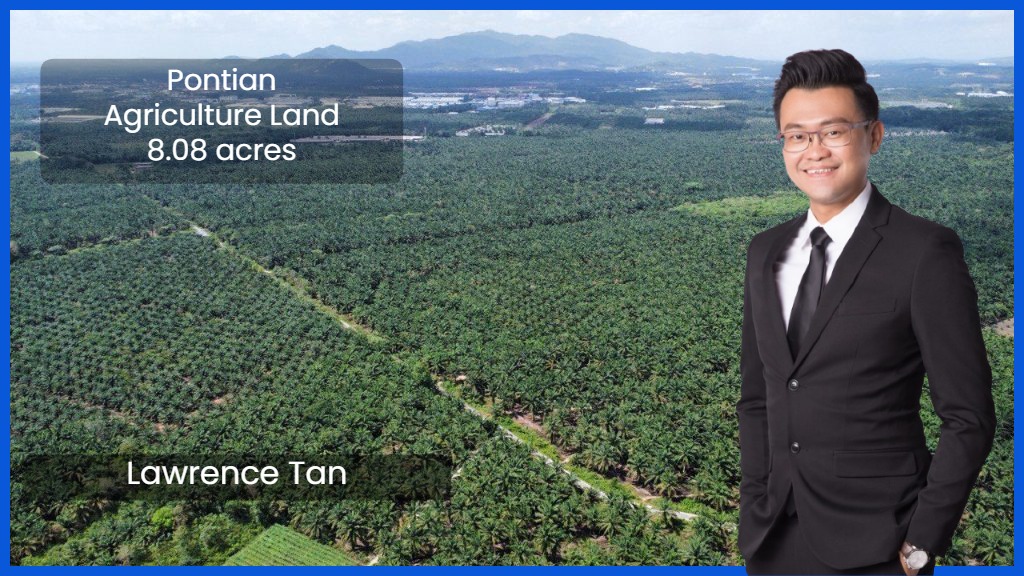 LT056aPontian · JohorAgriculture Land · 8.083 acre
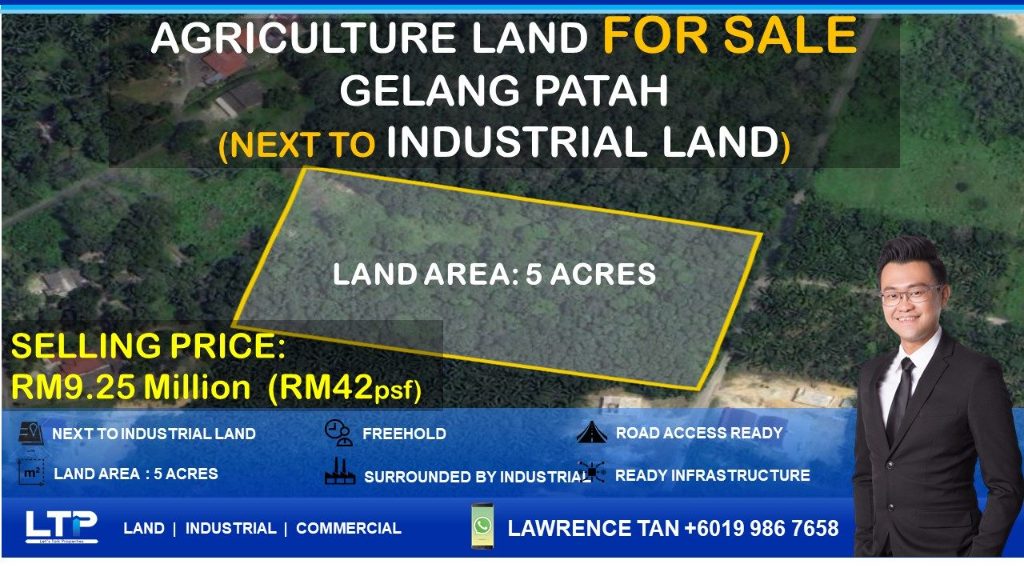 LT005Gelang Patah · Johor Darul Ta'zimAgriculture Land · 5.06 acre
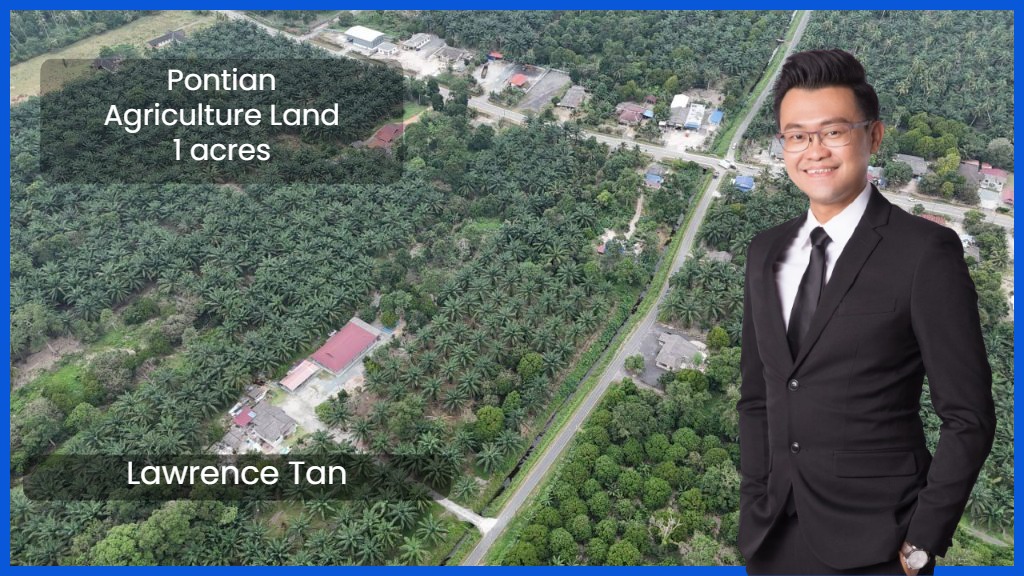 LT162nPontian · JohorAgriculture Land · 1 acre
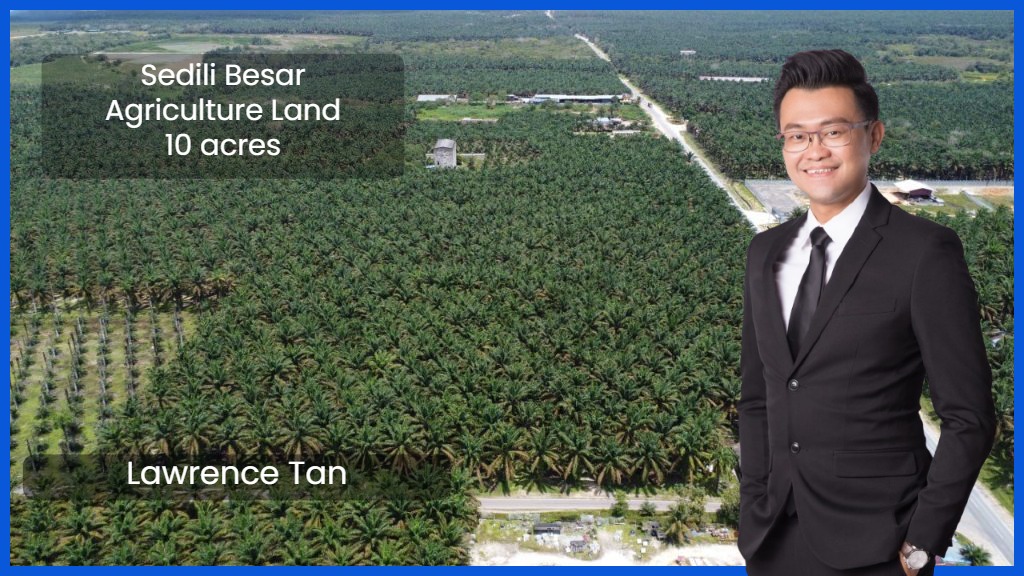 LT016Kota Tinggi · JohorAgriculture Land · 10 acre
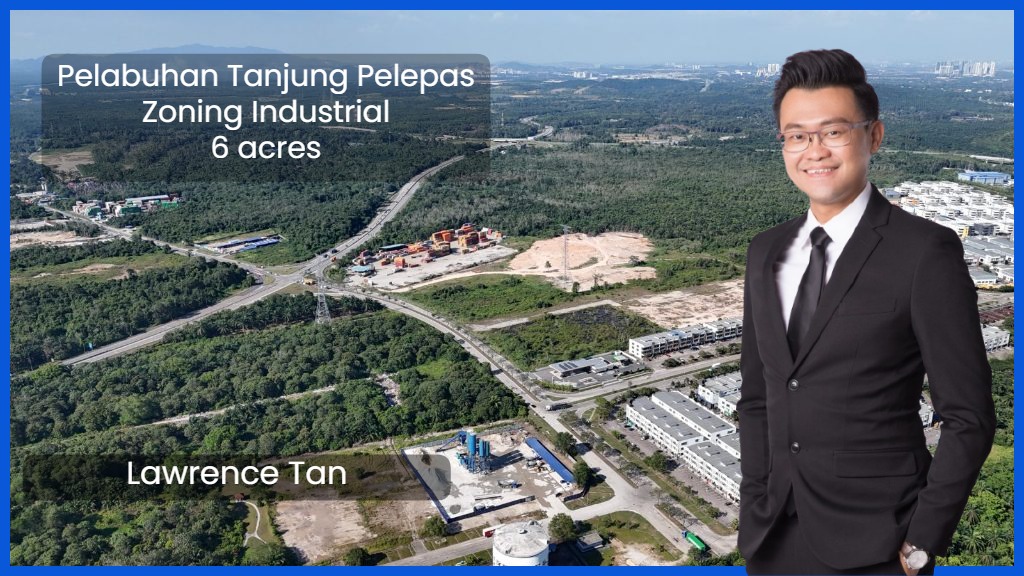 LT128Gelang Patah · Johor Darul Ta'zimAgriculture Land · 6 acre
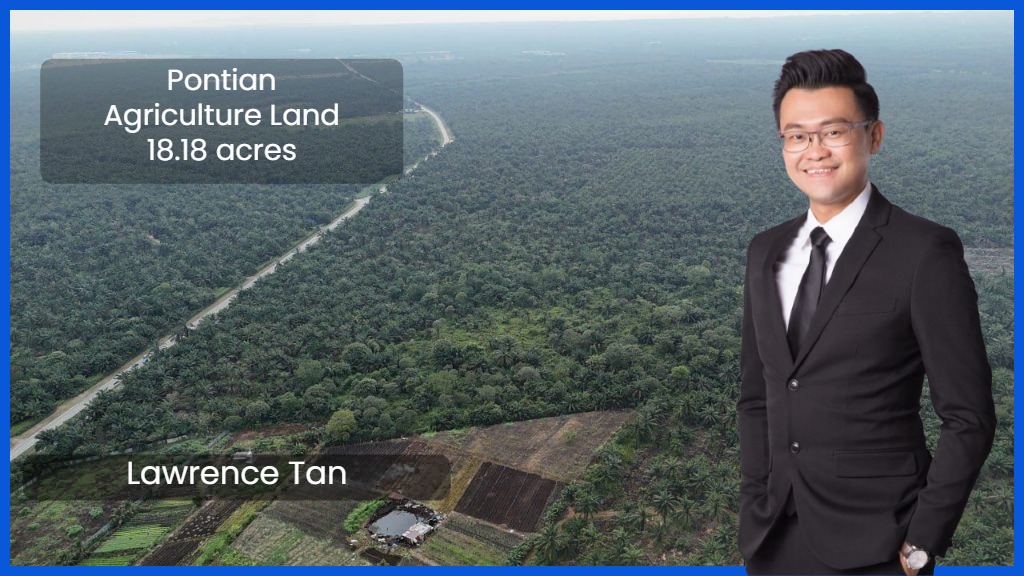 LT152Pontian · JohorAgriculture Land · 18.18 acre
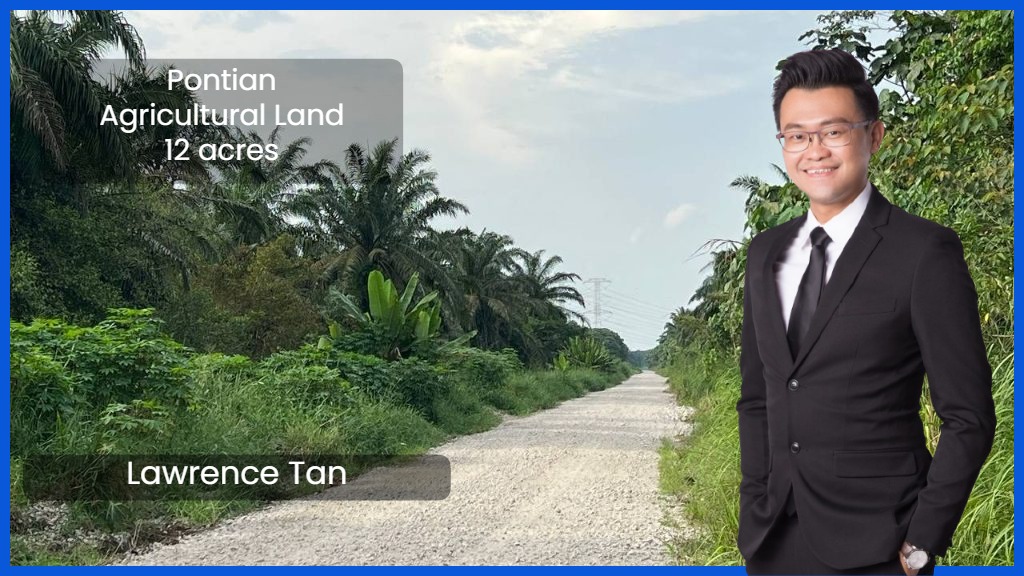 LT133Pontian · JohorAgriculture Land · 12 acre
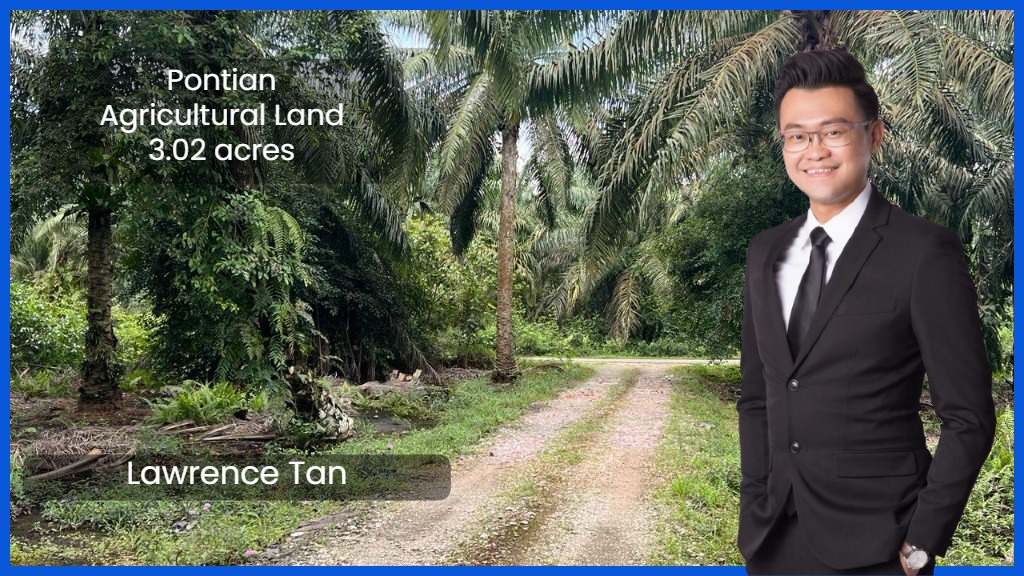 LT075Pontian · JohorAgriculture Land · 3.02 acre
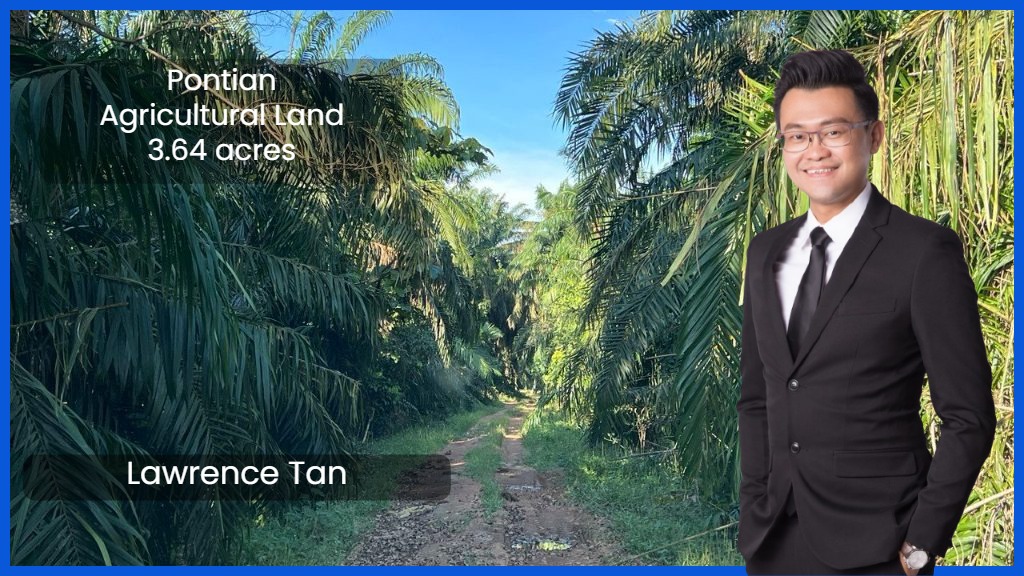 LT078Pontian · JohorAgriculture Land · 3.64 acre
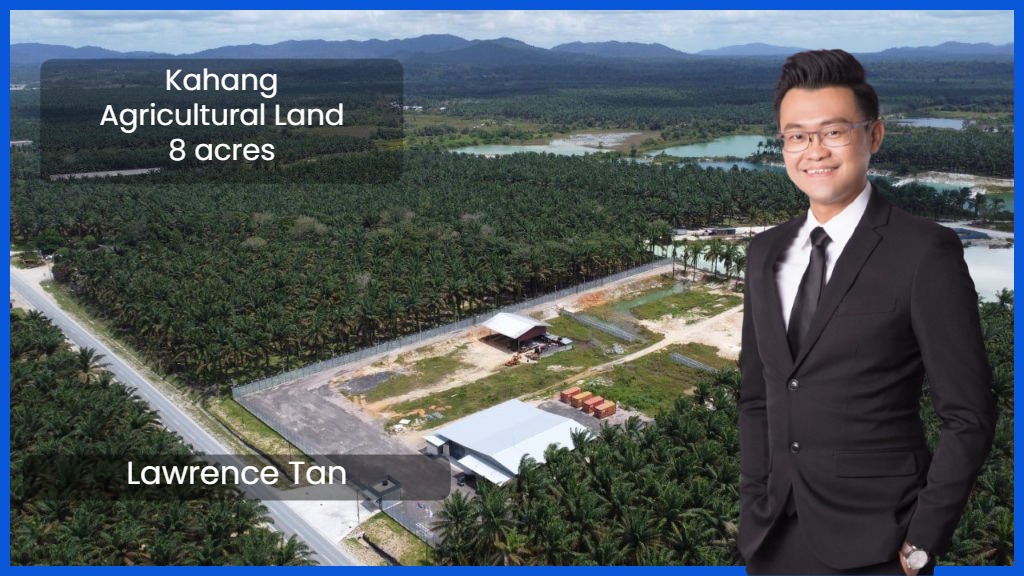 LT050Kluang · JohorAgriculture Land · 8 acre
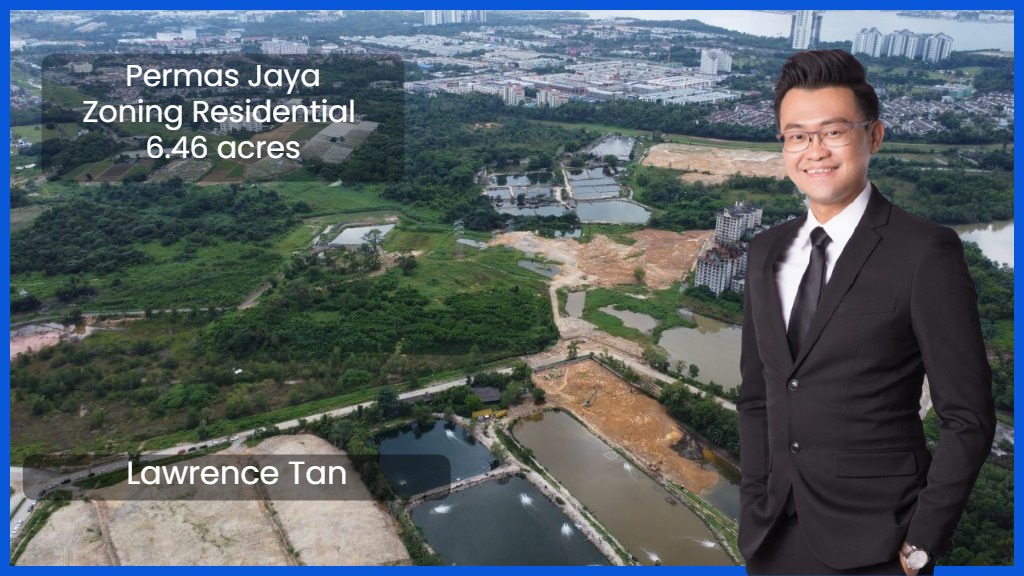 LT019Johor Bahru · JohorAgriculture Land · 6.46 acre
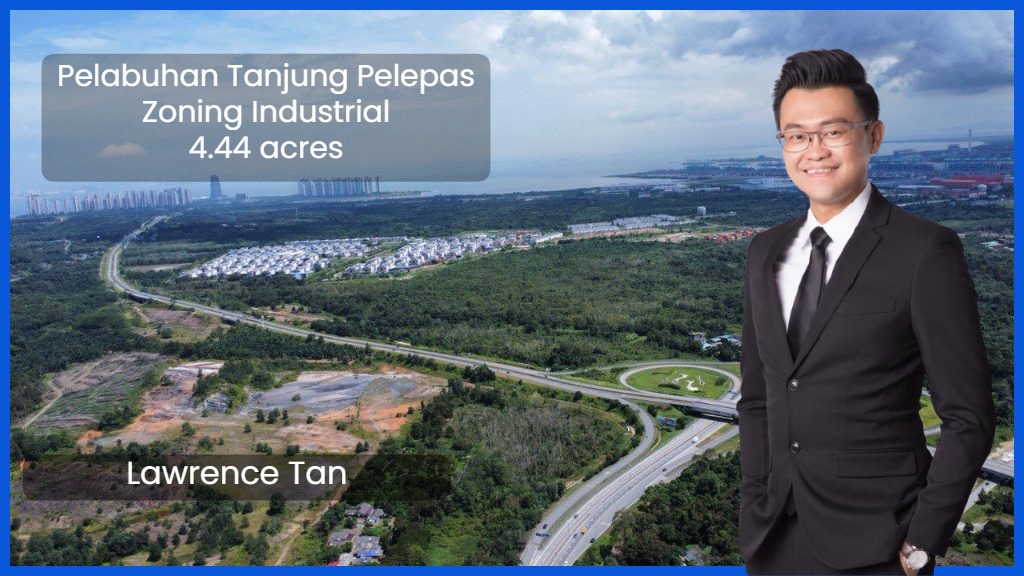 LT058Gelang Patah · Johor Darul Ta'zimAgriculture Land · 4.44 acre
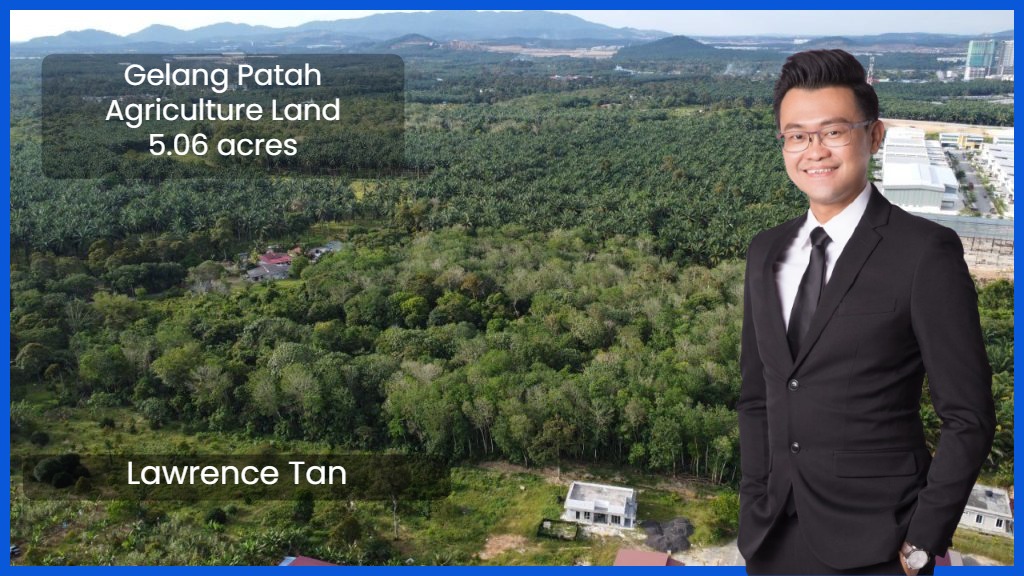 LT005Gelang Patah · JohorAgriculture Land · 5.06 acre
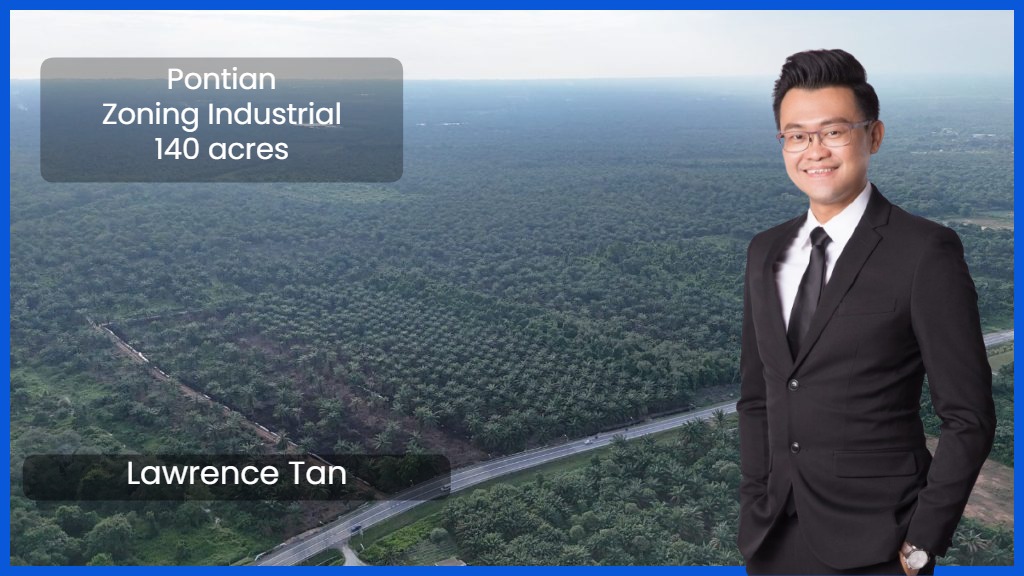 LT085Pontian · JohorAgriculture Land · 140 acre
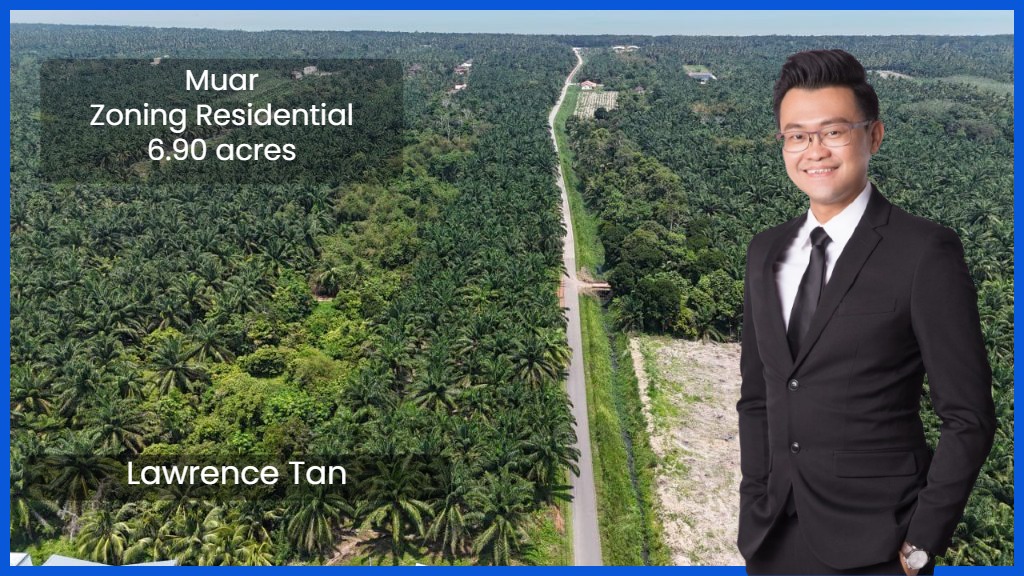 LT095Muar · JohorAgriculture Land · 6.9 acre
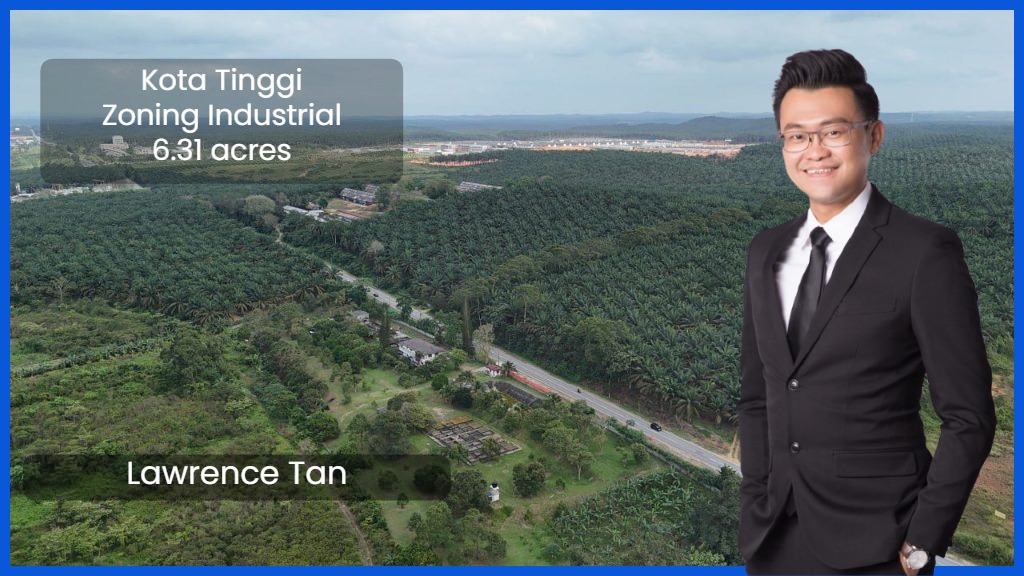 LT091Kota Tinggi · JohorAgriculture Land · 6.314 acre
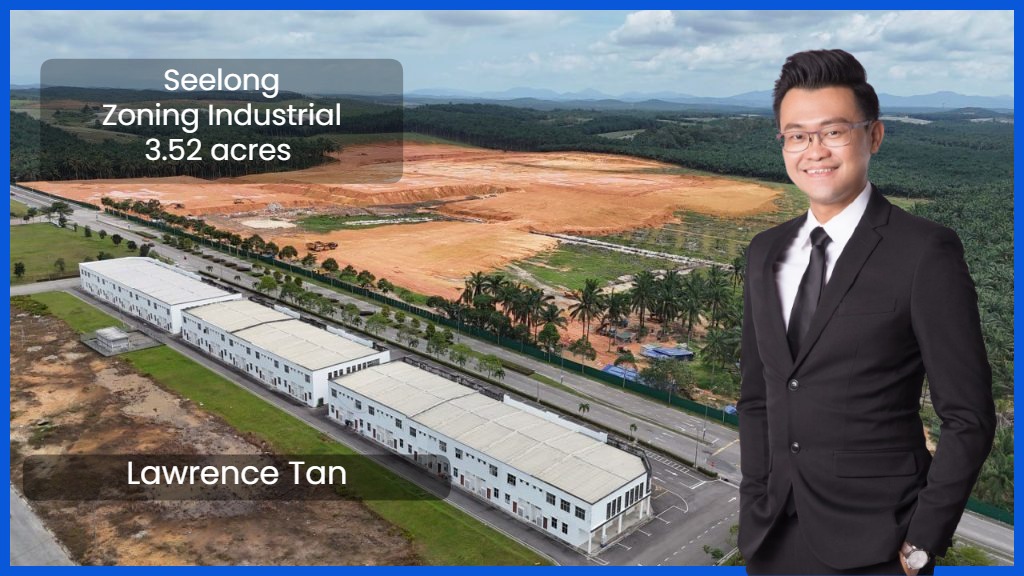 LT096Kulai · JohorAgriculture Land · 3.525 acre
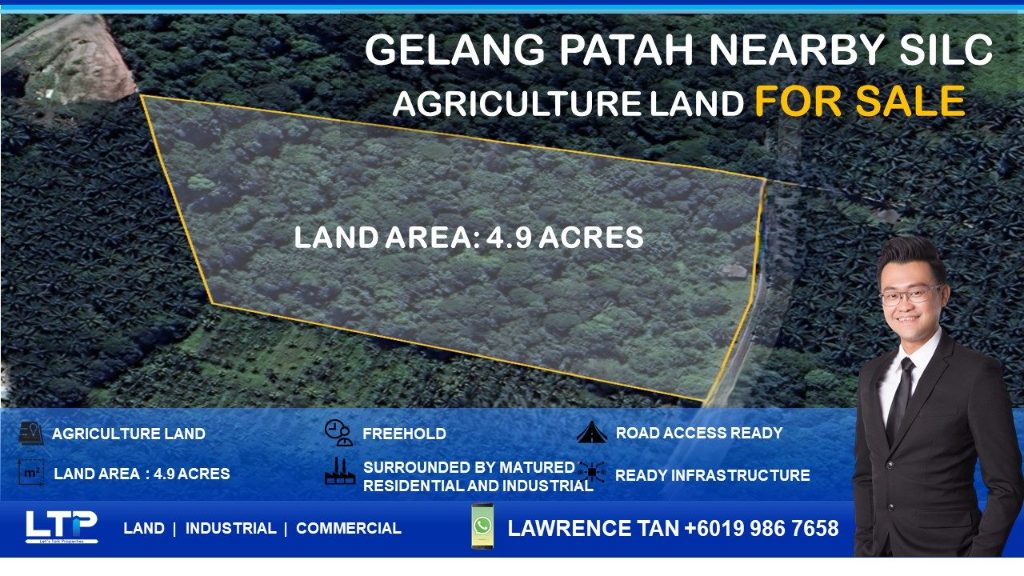 LT006Gelang Patah · JohorAgriculture Land · 4.91 acre
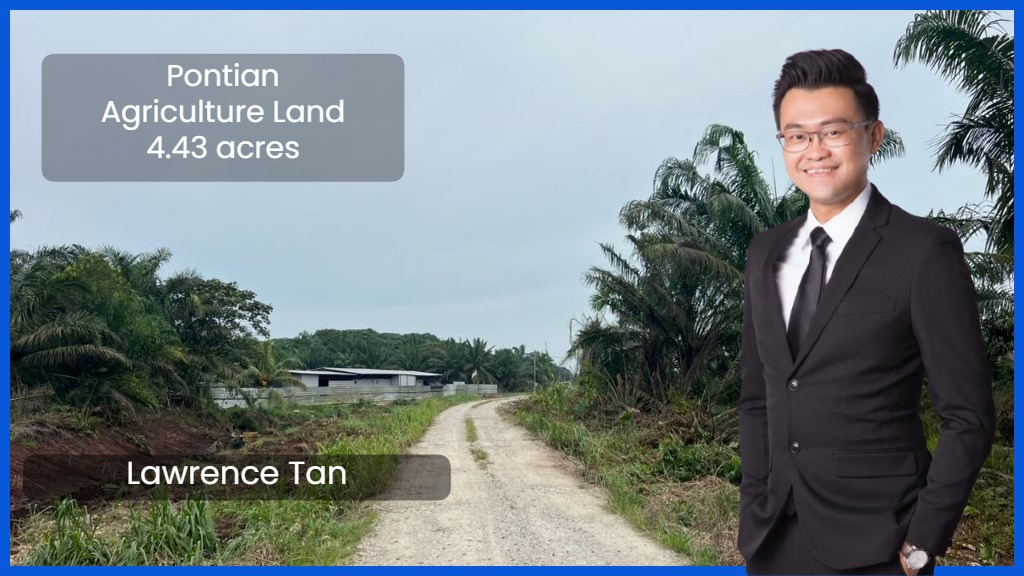 LT043Pontian · JohorAgriculture Land · 4.43 acre
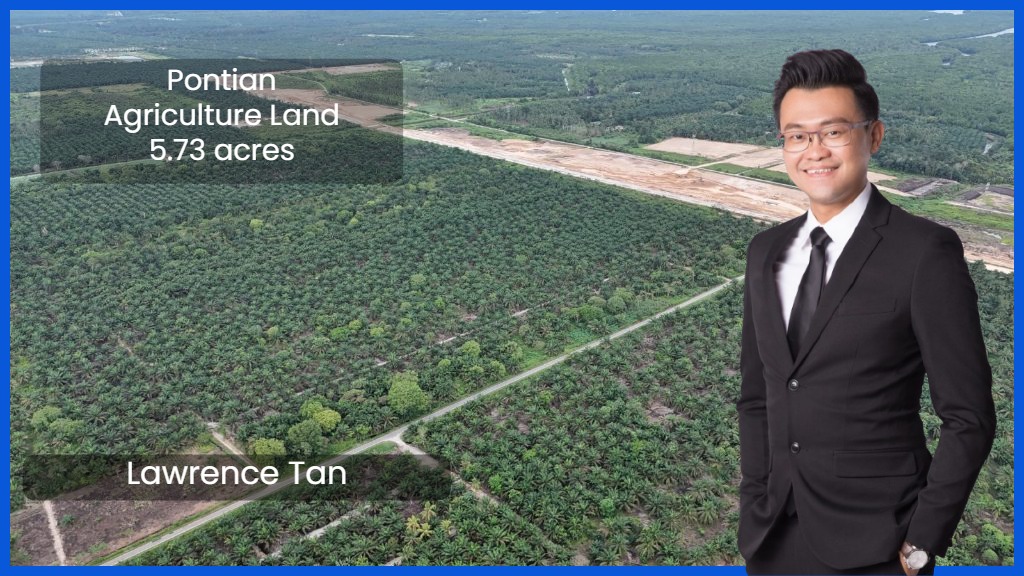 LT103Pontian · Johor Darul Ta'zimAgriculture Land · 5.738 acre