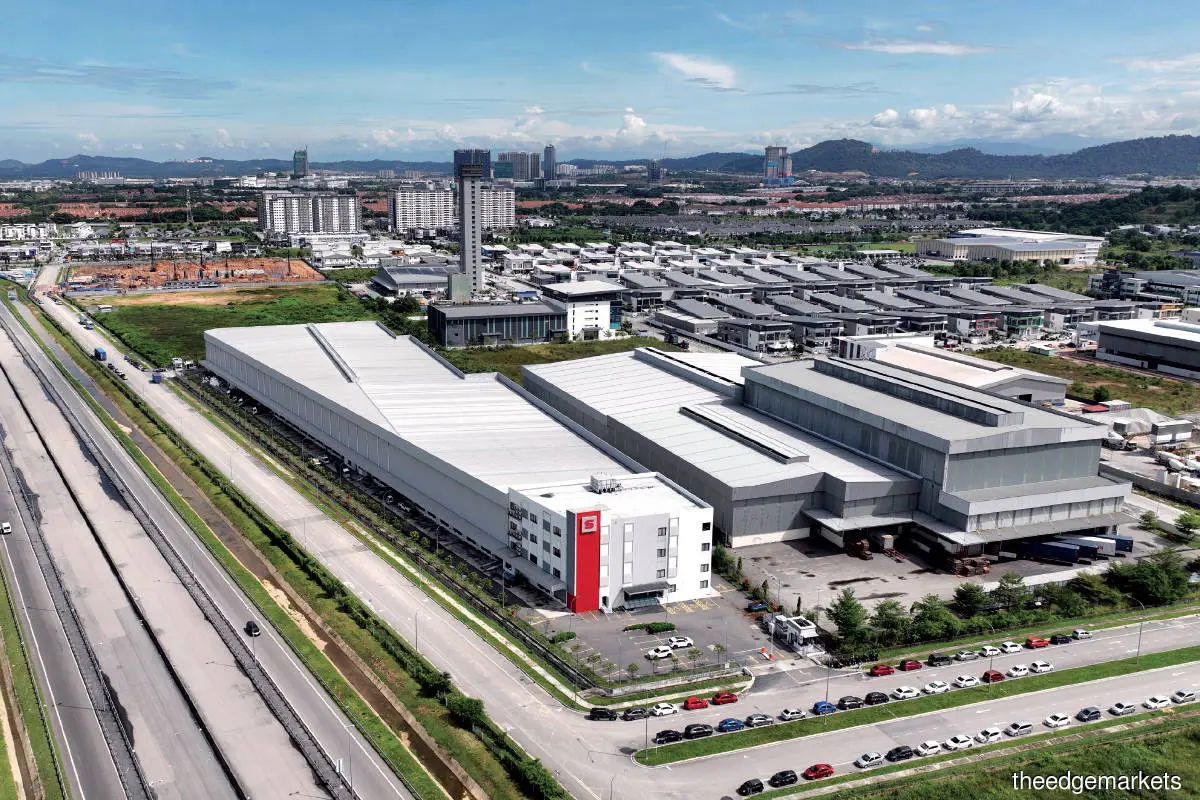
Don’t judge industrial land by price alone. Start with these core factors
When buyers assess industrial land, the first instinct is often to compare price per acre or assume cheaper land means better value. But strong industrial land decisions are not built on price alone. They start with logistics access, surrounding industry, land suitability, use alignment, and whether future demand can actually support the site’s value. For serious buyers, price is the outcome of the logic, not the starting point.
Why price is the easiest way to misread industrial land
Industrial land is one of the easiest asset types to misjudge through price alone. On the surface, price feels direct, measurable, and convenient. But even when two sites are both categorized as industrial land, the difference in location, road access, surrounding industrial maturity, and site configuration can lead to very different real-world usability and buyer demand. Some sites may look cheap at first glance, but if access is weak, heavy vehicle movement is inconvenient, surrounding industry is limited, or the realistic user base is narrow, then the lower price often reflects real constraints already recognized by the market. On the other hand, some sites may not be the cheapest, yet they hold stronger long-term value because their access, functionality, and market fit are much clearer. That is why Lawrence does not begin by asking how much the land costs per acre. He begins by asking who the site is for, whether it is genuinely usable, and why demand would continue to exist for it over time. Only after that does price comparison become meaningful.
The core factors to assess before committing to industrial land
The first factor is logistics and road connectivity. Industrial land is not just about the site itself, but about its relationship to the transport network around it. Containers, raw materials, staff movement, and finished goods all depend on efficient access and regional linkages. If connectivity is weak, even an attractive price may struggle to translate into dependable value. The second factor is surrounding industry and operating context. Industrial buyers rarely assess a site in isolation. They want to know what factories, warehouses, supply chains, and supporting businesses already exist nearby. A company is not simply buying land. It is entering an operating environment. The stronger that environment is, the more credible future demand usually becomes. The third factor is the land itself, including shape, topography, frontage, access points, expansion potential, and development efficiency. Some sites may appear acceptable on paper, but become far less compelling when actual factory layout, warehouse usability, or future expansion is considered. These details directly affect whether industrial buyers will commit.
What kind of buyer should approach industrial land this way
This way of thinking suits buyers who see industrial land as a use-driven or demand-driven asset, rather than something to be traded purely on short-term sentiment. If the buyer comes from manufacturing, warehousing, logistics, supporting industries, or has long-term conviction in industrial land, it becomes easier to understand that value is not created by market storytelling alone. It is created by actual usability. Whether real businesses can use the site, want to use it, and operate efficiently from it matters more than surface-level promotion. Lawrence often reminds buyers that industrial land does not need to merely look like an opportunity. It needs to be capable of being absorbed by real demand. If a site lacks practical use logic, the market may struggle to support it over time regardless of how attractively it is positioned. But if the functionality is clear, even a site that is not the cheapest can still be a much stronger decision.
Industrial Land
Industrial land should be judged by function before price
If you are comparing industrial sites, Lawrence can help you assess access, surrounding industry, usage logic, and future demand before you go deeper on price.
Related land
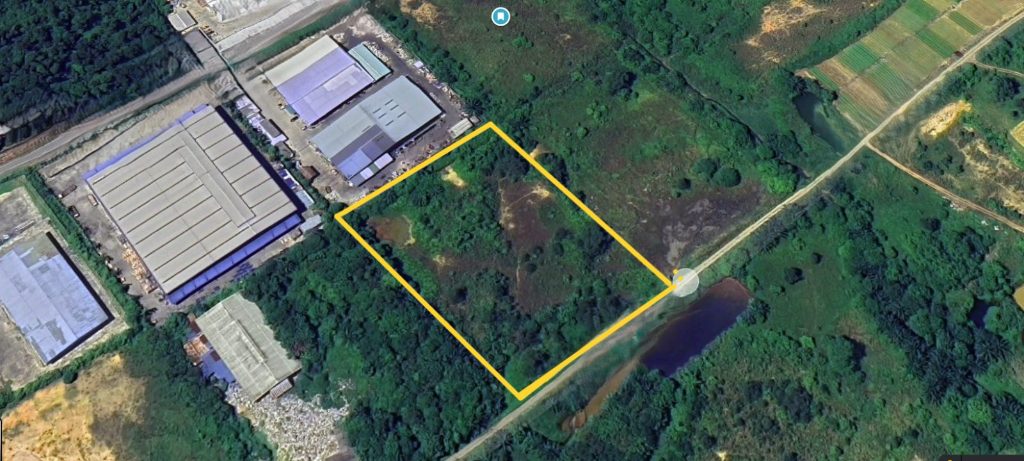 LT130-CTebrau · Johor Darul Ta'zimIndustrial Land (Light) · 3 acre
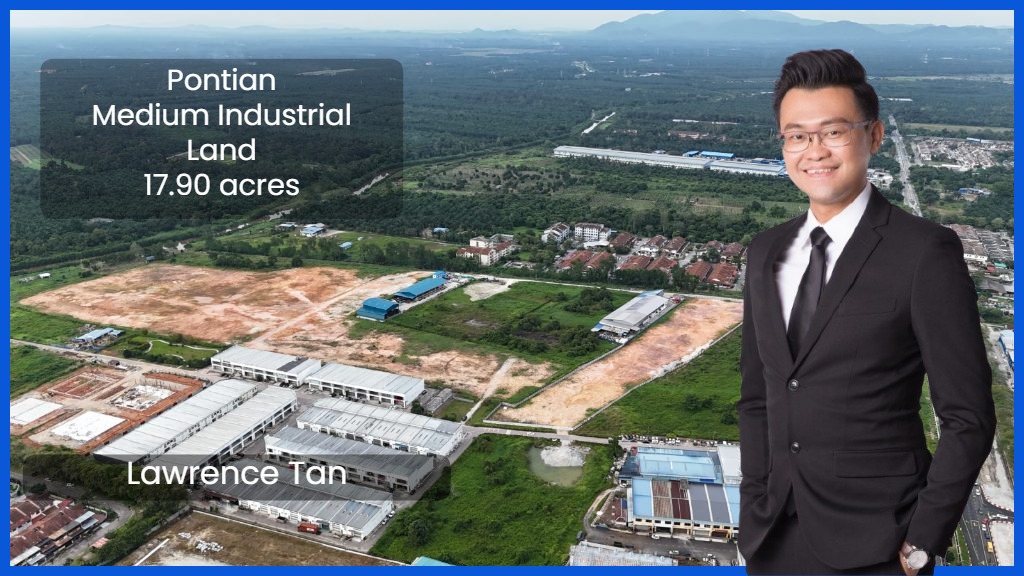 LT111-CPontian · JohorIndustrial Land (Medium) · 17.9 acre
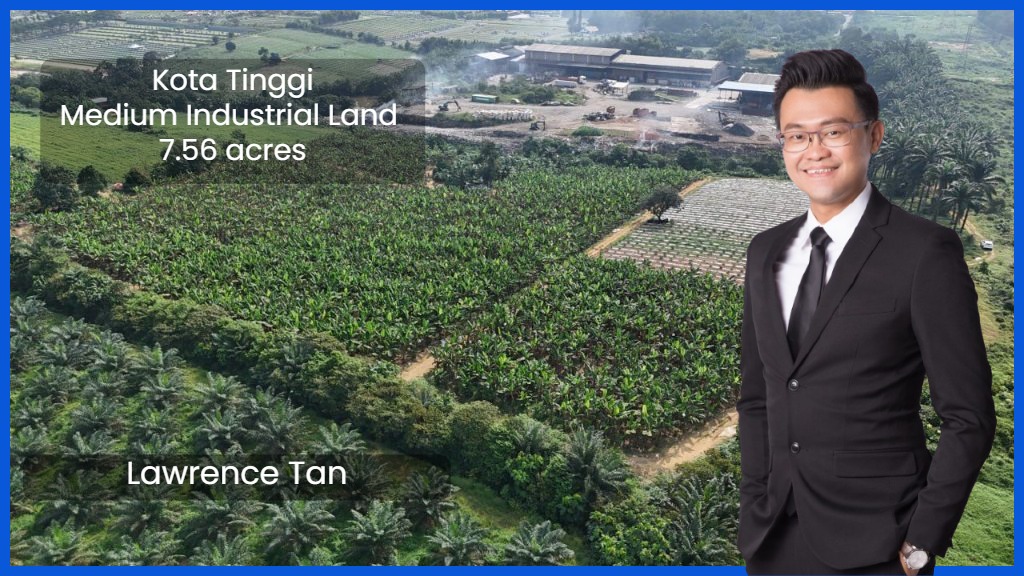 LT169Kulai · JohorIndustrial Land (Medium) · 7.56 acre
 LT162aGelang Patah · JohorIndustrial Land (Medium) · 3.844 acre
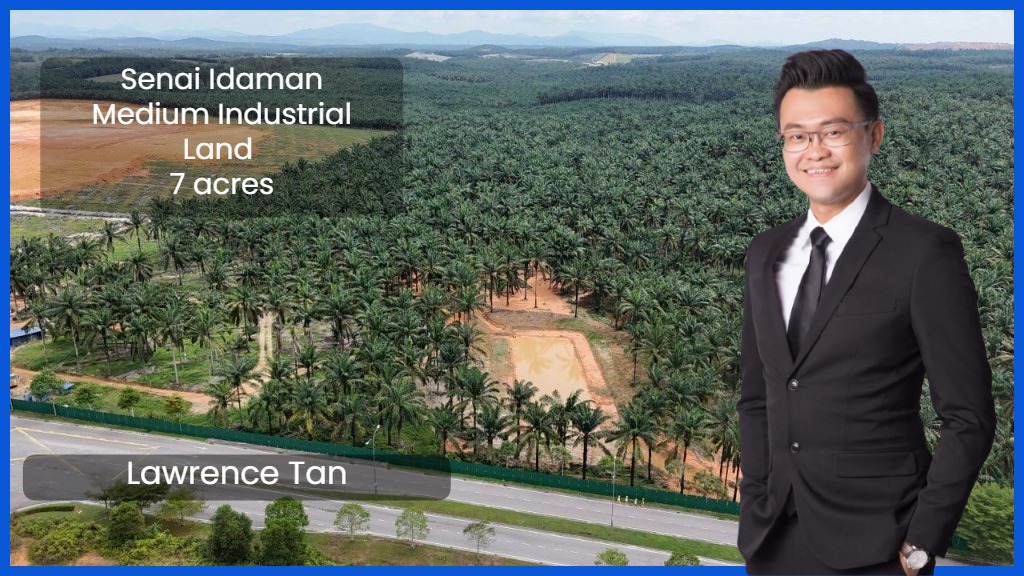 LT140Kulai · JohorIndustrial Land (Medium) · 7 acre
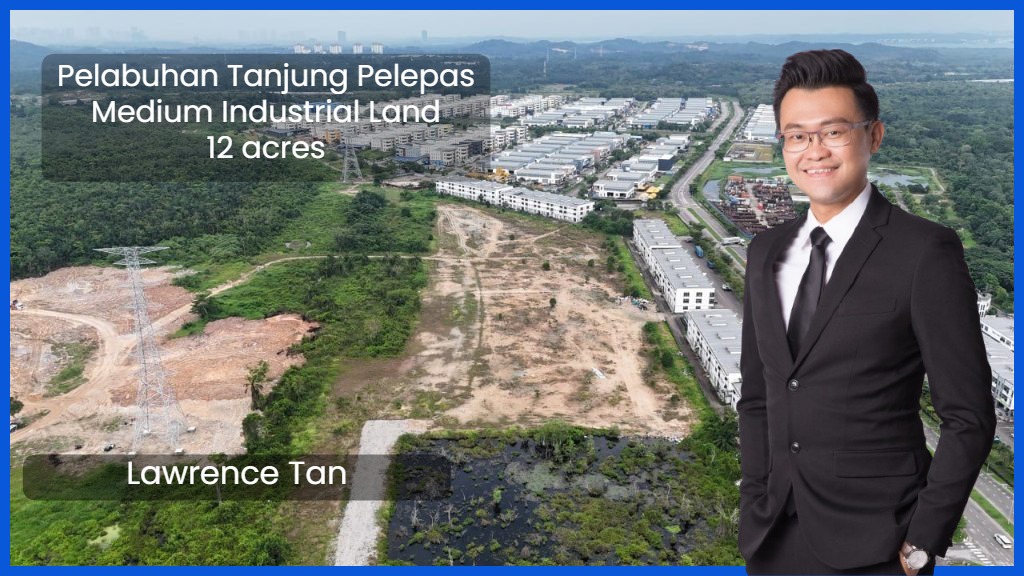 LT131-CGelang Patah · JohorIndustrial Land (Medium) · 12 acre
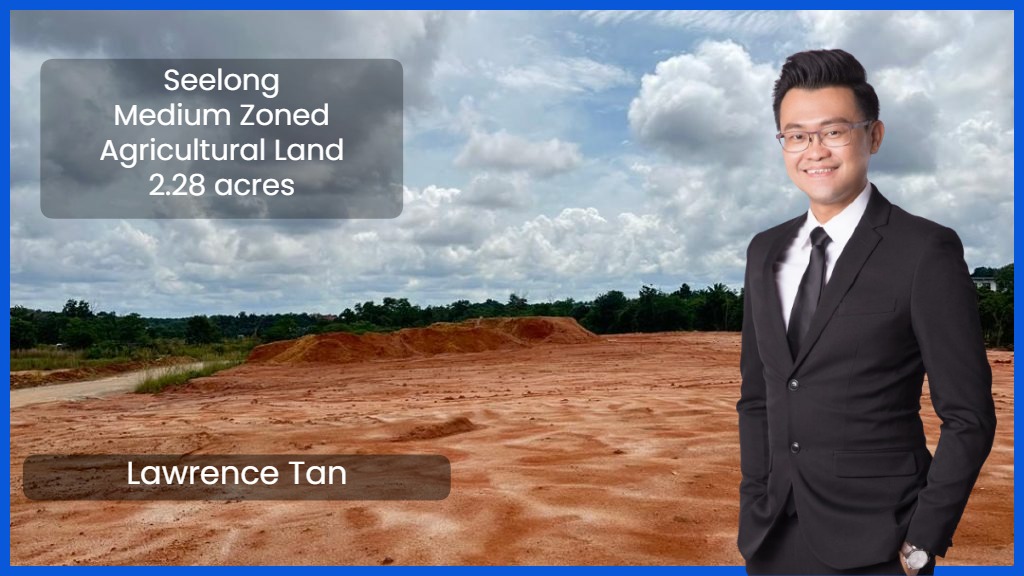 LT129-CKulai · Johor Darul Ta'zimIndustrial Land (Medium) · 2.28 acre
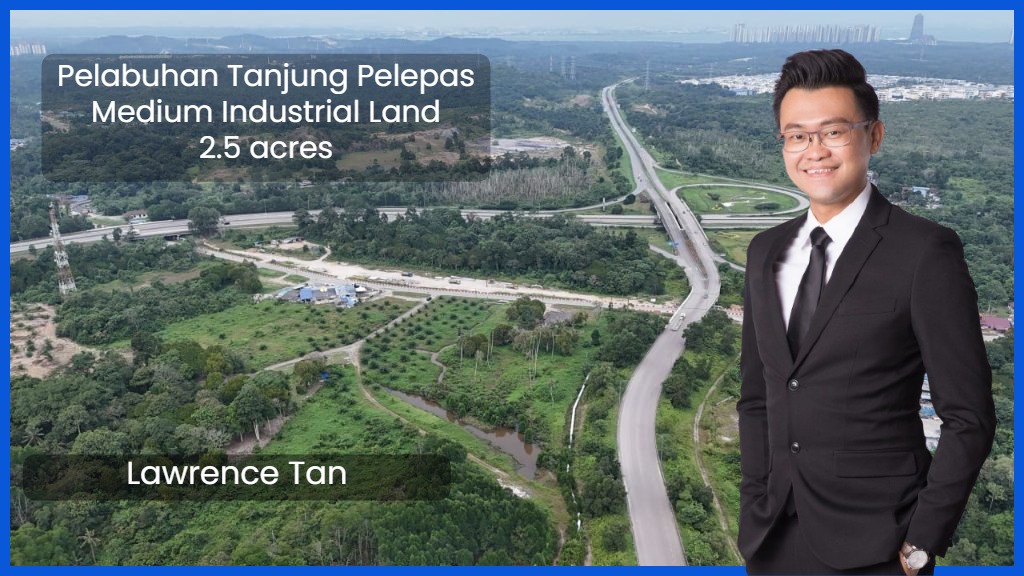 LT162eGelang Patah · JohorIndustrial Land (Medium) · 2.5 acre
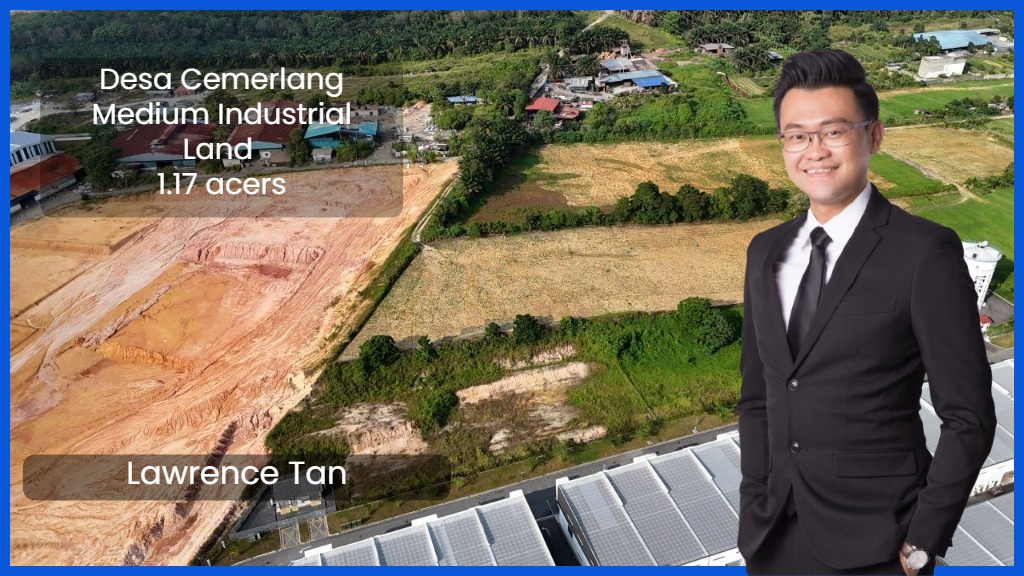 LT124Johor Bahru · JohorIndustrial Land (Medium) · 1.176 acre
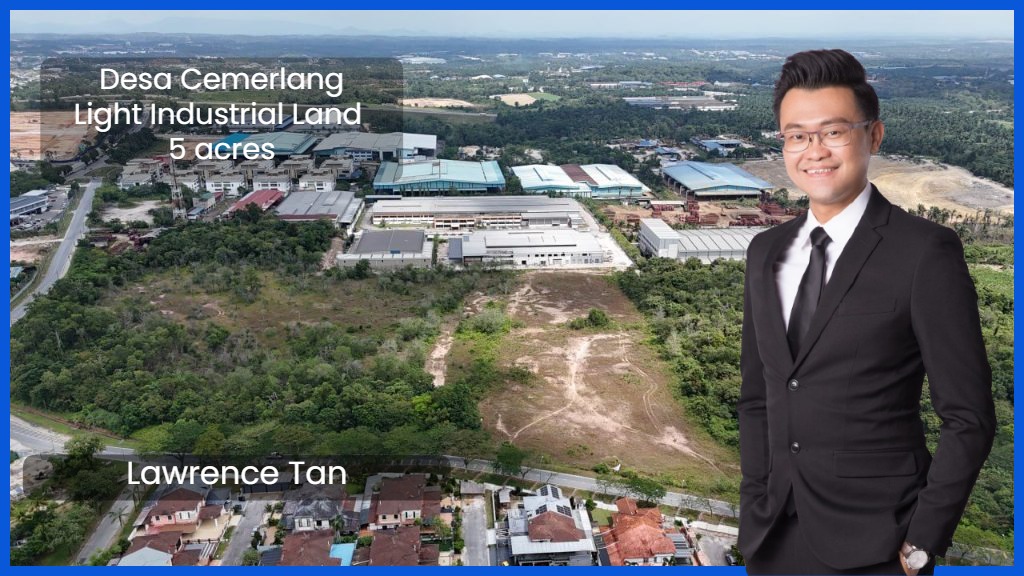 LT123Johor Bahru · JohorIndustrial Land (Light) · 5 acre
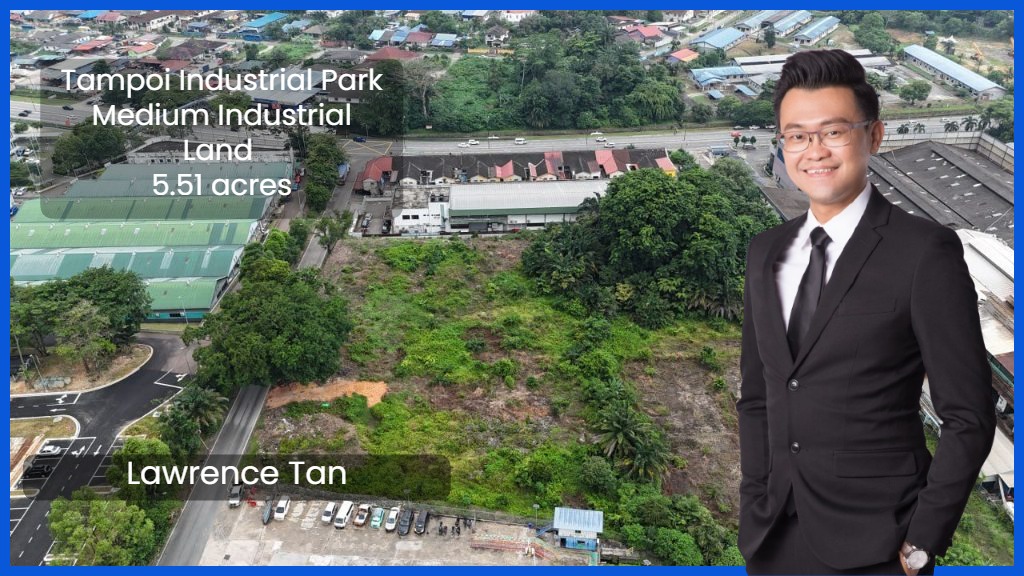 LT173bJohor Bahru · JohorIndustrial Land (Medium) · 5.51 acre
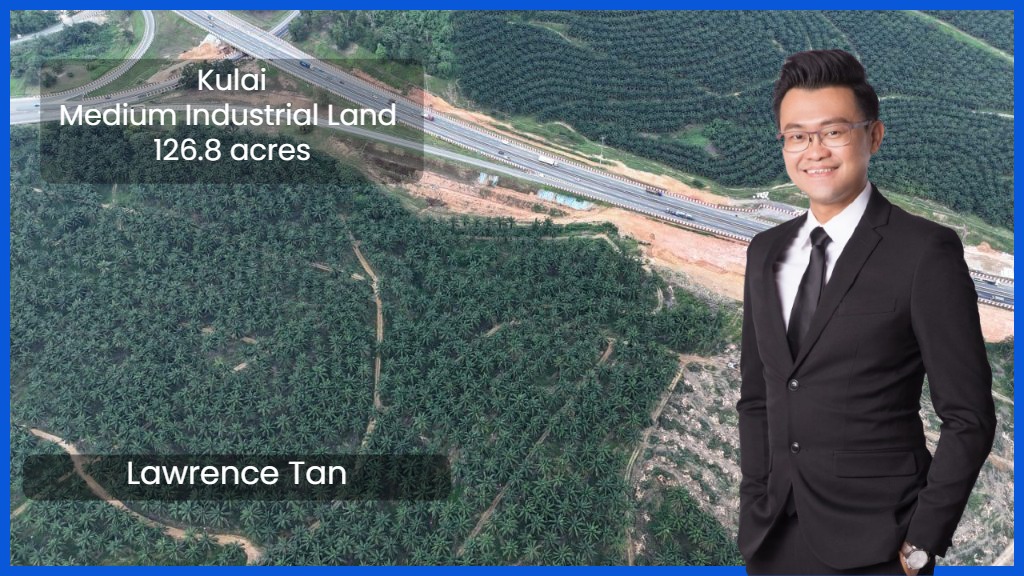 LT166Kulai · JohorIndustrial Land (Medium) · 126.8 acre
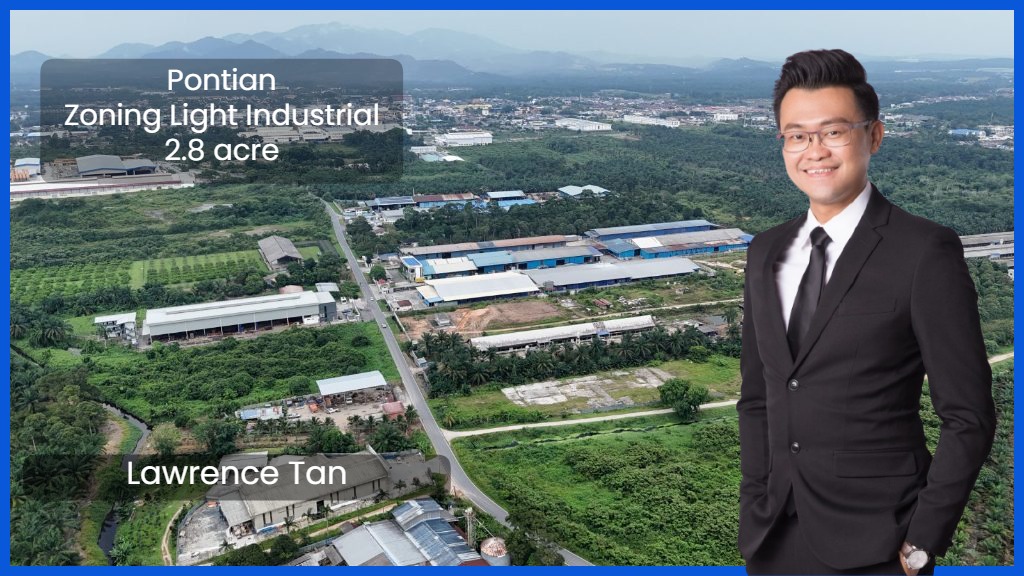 LT069Pontian · Johor Darul Ta'zimIndustrial Land (Light) · 2.8 acre
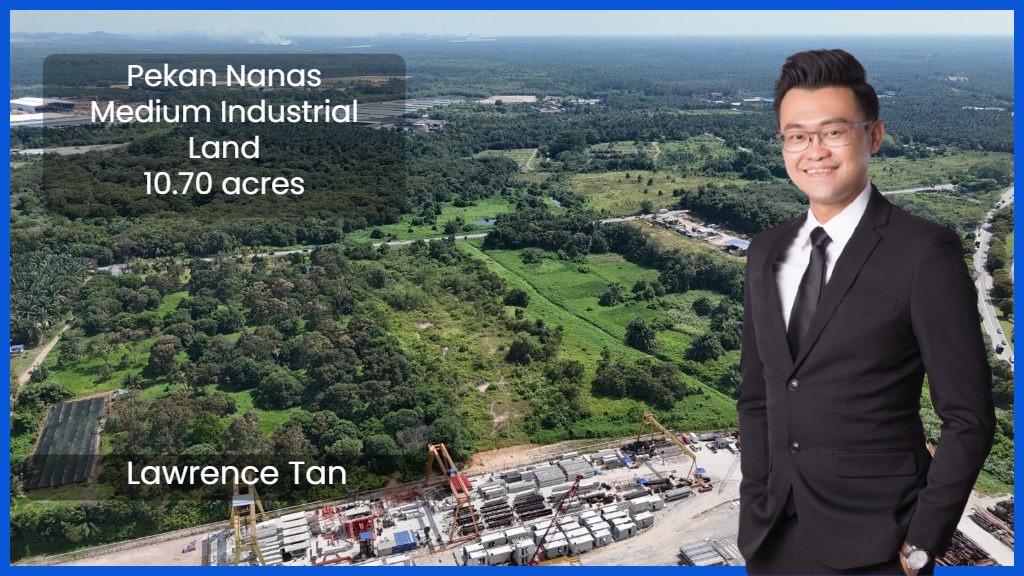 LT134Pontian · JohorIndustrial Land (Medium) · 10.7 acre
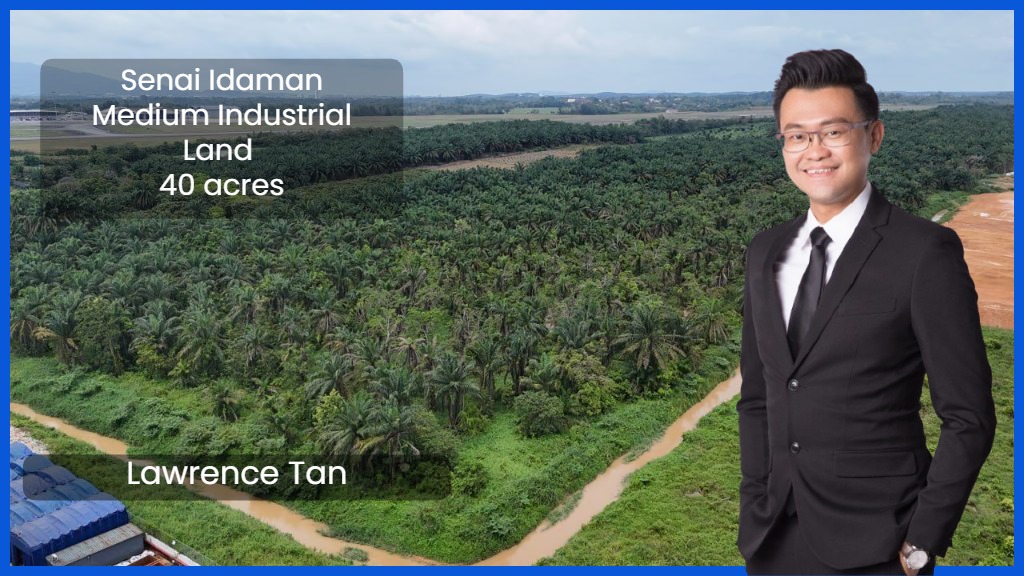 LT161-CKulai · JohorIndustrial Land (Medium) · 40 acre
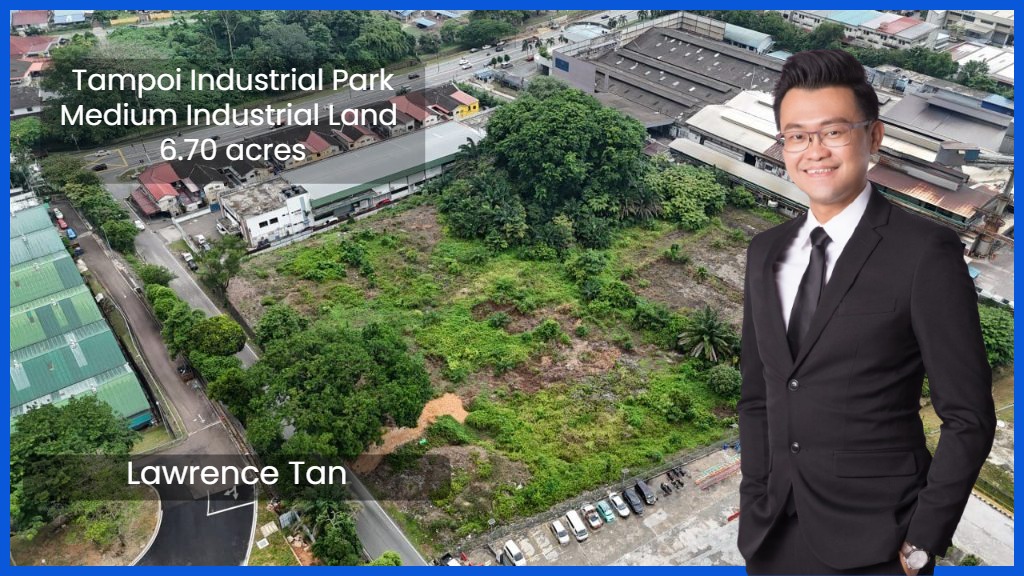 LT173aJohor Bahru · JohorIndustrial Land (Medium) · 6.706 acre
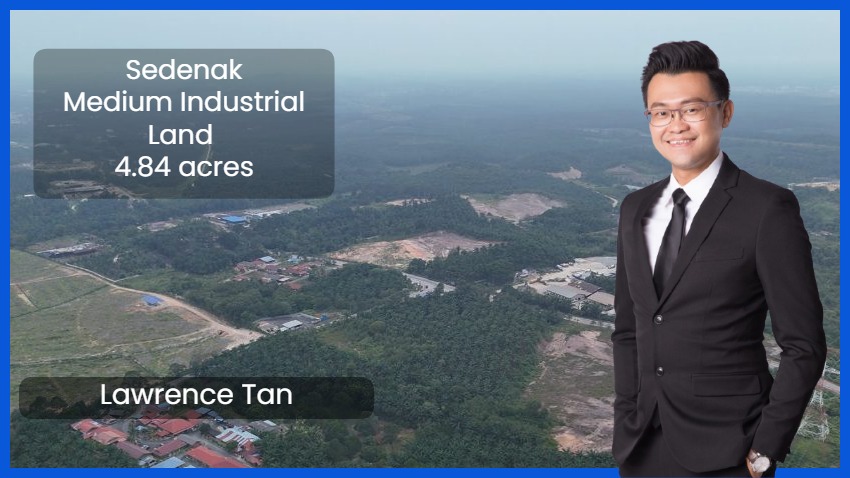 LT138Kulai · Johor Darul Ta'zimIndustrial Land (Medium) · 4.84 acre
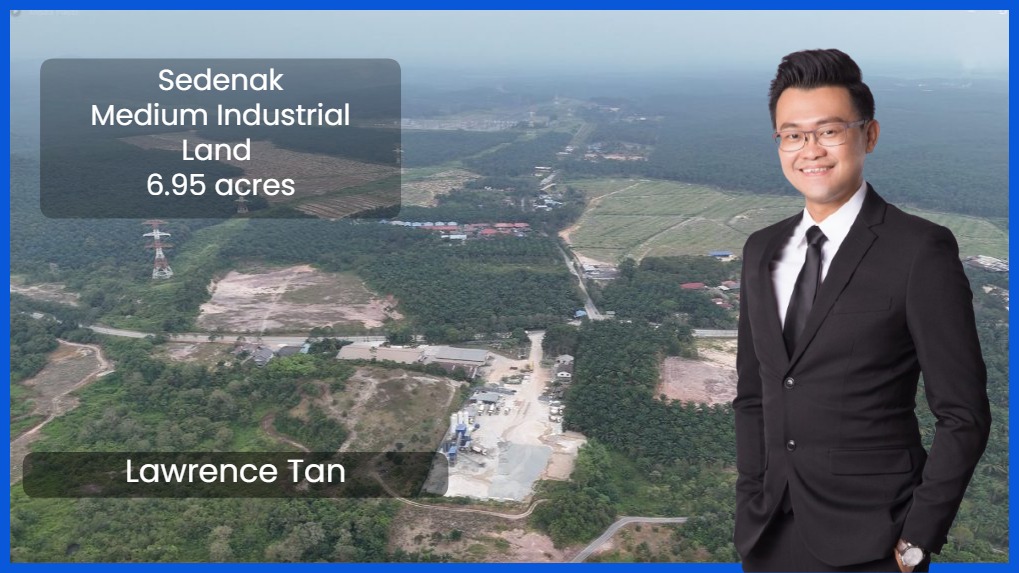 LT119Kulai · JohorIndustrial Land (Medium) · 6.95 acre
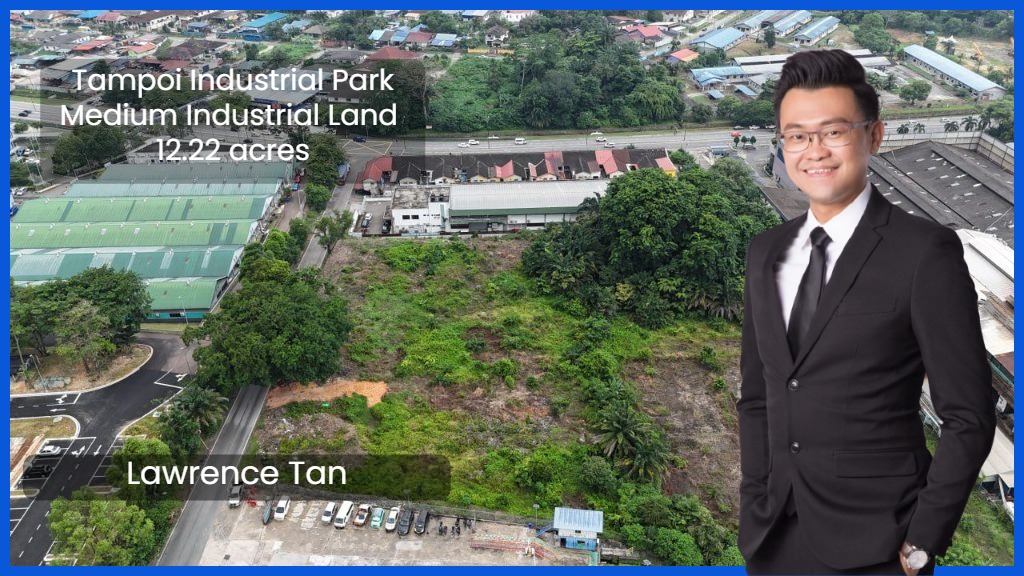 LT173Johor Bahru · JohorIndustrial Land (Medium) · 12.225 acre
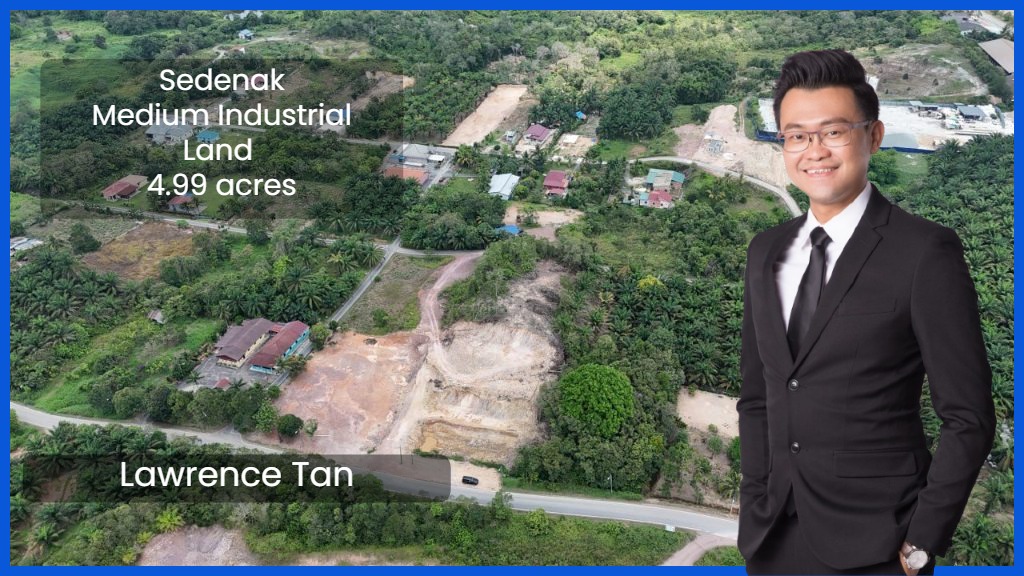 LT139Kulai · Johor Darul Ta'zimIndustrial Land (Medium) · 4.99 acre
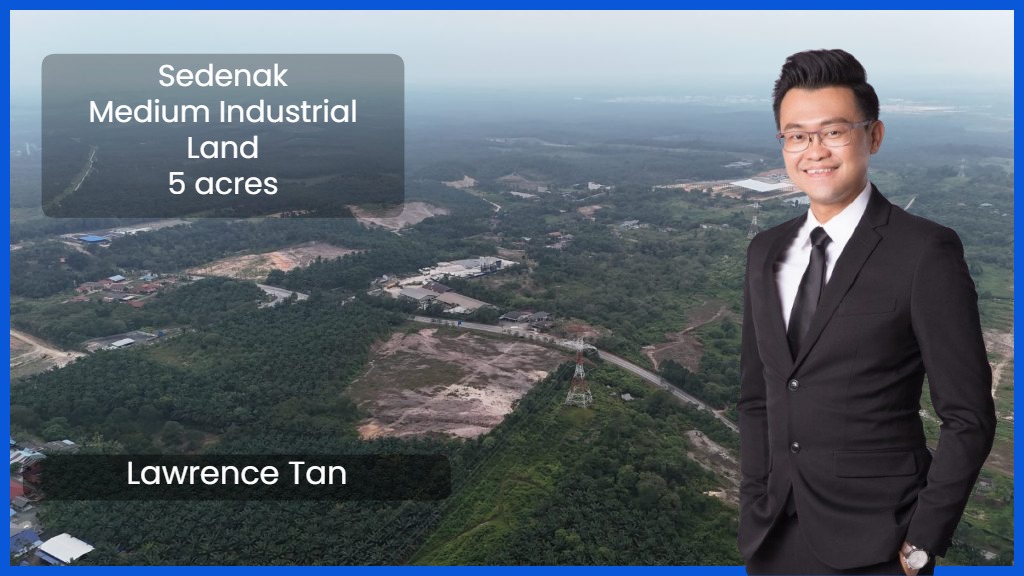 LT114Kulai · JohorIndustrial Land (Medium) · 5 acre
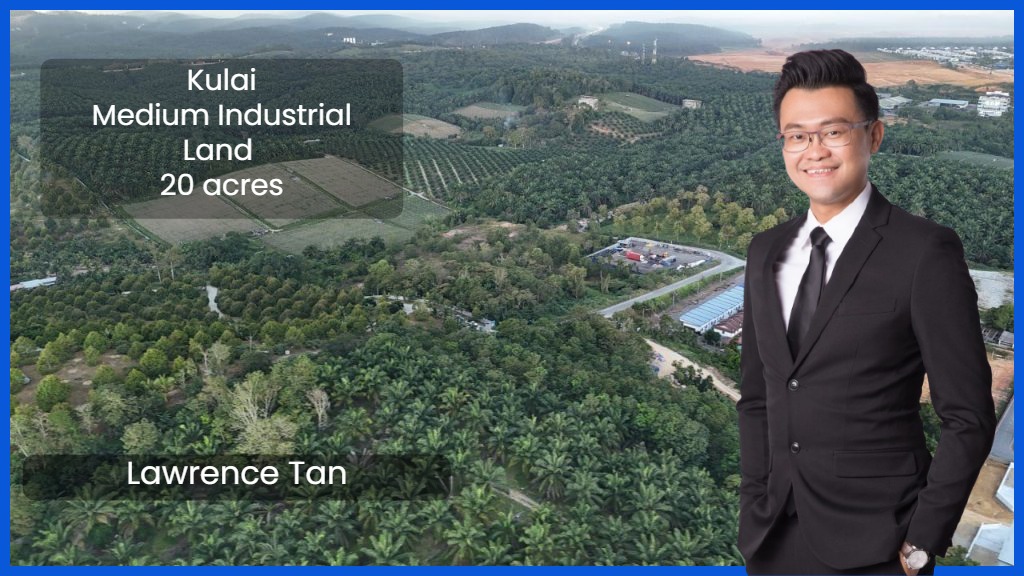 LT094-BKulai · JohorIndustrial Land (Medium) · 20 acre
 LT004Gelang Patah · JohorIndustrial Land (Light) · 5.1 acre
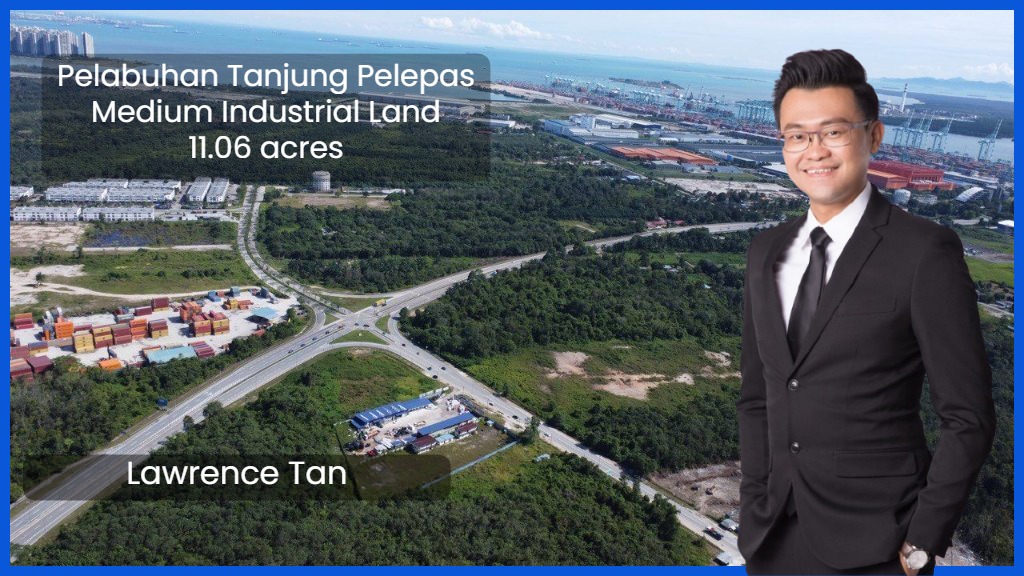 LT061Gelang Patah · Johor Darul Ta'zimIndustrial Land (Medium) · 11.06 acre
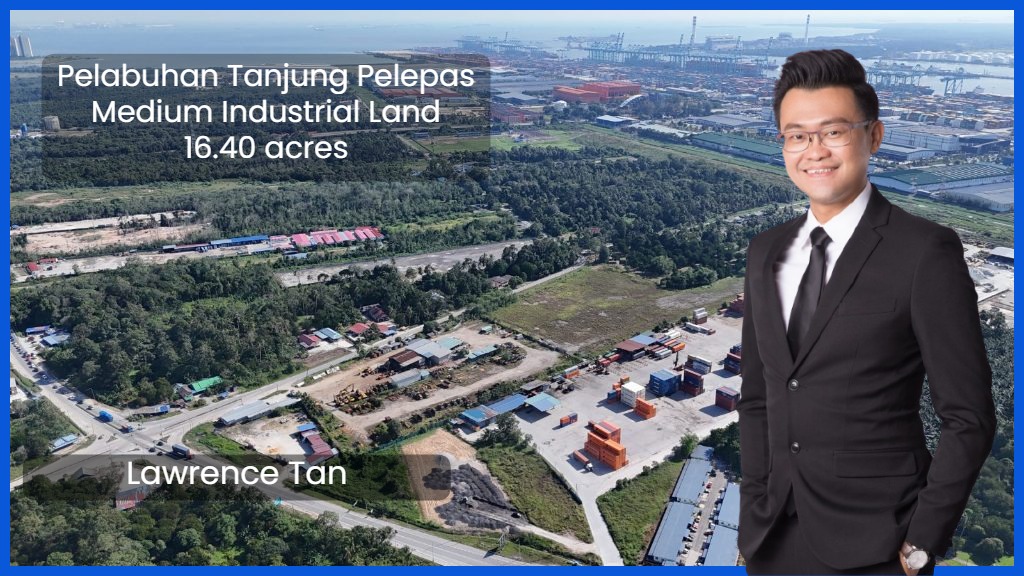 LT127Gelang Patah · Johor Darul Ta'zimIndustrial Land (Medium) · 16.4 acre